

Police to train personnel on electoral process ahead of polls
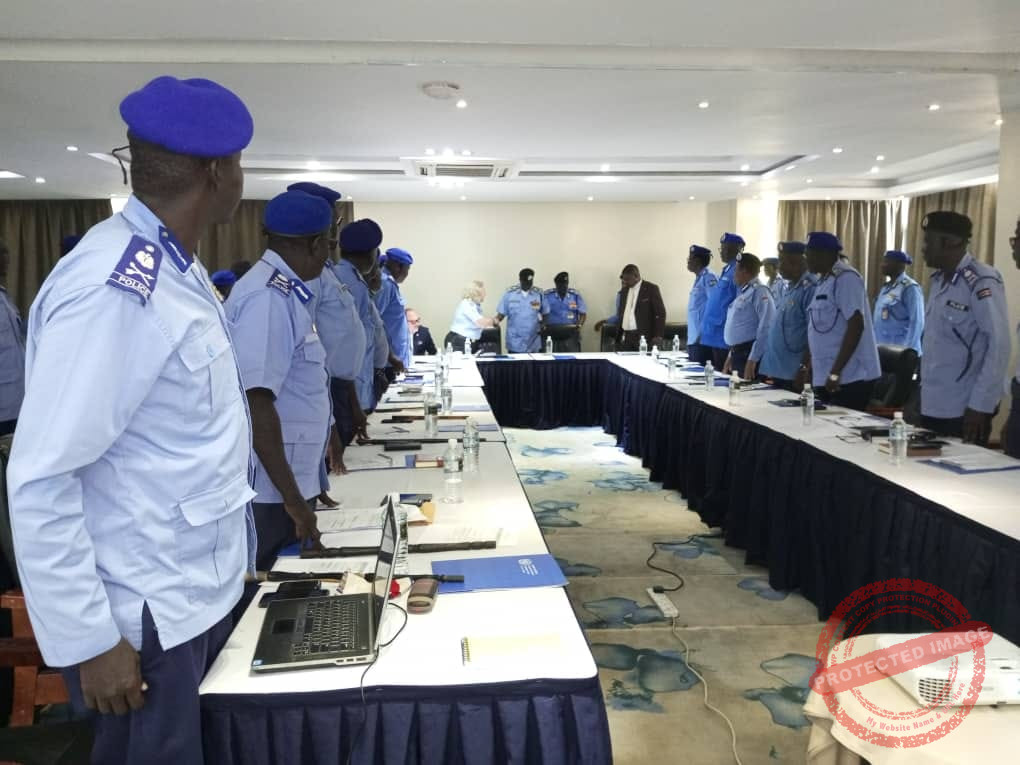
The police will next week commence training of personnel on the protection of the electoral process ahead of the anticipated December 2024 polls, according to Deputy spokesperson Brig.Gen. James Dak.
The training for unspecified number of personnel will be facilitated by the United Nations Police.
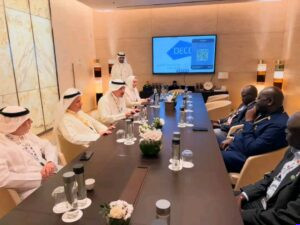
The process started on Tuesday with a two-planing workshop for state police Commissioner’s across the ten states and the three administrative areas as well as Director of Directorates at the Police General Headquarters.
Gen Dak says, with five months to the casting of votes, the police have started putting plans in ensuring safety of the polling process.
“Of course, we are now five months to go for elections, and we want to have a peaceful and stable election.
So, we are putting so many precautions ahead. We are now going to have a training next week with the help of UNPOL (UN Police) of our roadmap in regards to the protection of the election”.
The training, according to Gen. Dak, will focus on the protection of voters and their rights to vote for their candidate of choice.
The Deputy Spokesperson is on the other hand advising the citizens to be patient with the law enforcement agency as it cracks down on crime perpetrators in ensuring nationwide security.
“What we advise is that, let the citizens be patient, exercise tolerance and things will change. Things will not continue like that.
Meanwhile, he urged the security to be on alert around the clock and ensure law and order.
“Let them be on alert 24 hours because there are others with ill intention who want to use this as an opportunity to put their own agenda by causing instability,” he said.
Elections at Crossroad
The path to ending the transition period is at a cross-road as parties to the peace agreement have differed on 22, December 2024 scheduled for the conduct of the general elections.
While the SPLM under the leadership of President Salva Kiir are in favor of the stipulated date, the SPLM-In Opposition are opposed to it, citing pending key provisions of the 2018 peace accord.
The SPLN-IO based its argument on absence of permanent constitution, impartial implementation of the security arrangements and non repatriation of refugees from the neighboring countries.
It then suggested an extension to allow full implementation of the agreement which the SPLM rejected.
The stalemate prompted inter-party dialogue and formation of High-Level Committee on the Status of Revitalized Agreement on Resolution of the conflict in South Sudan to review the two-year peace roadmap whose term ends in December.
In July, the committee said it completed the exercise and made recommendations to the presidency for a way forward. The presidency is yet to make its decision public.