



South Sudan urged to balance oil production with environmental protection
JUBA, South Sudan — Stakeholders have called for stronger environmental protection and accountability in South Sudan’s oil sector, urging authorities and oil companies to balance crude oil production with the need to safeguard communities and the environment.
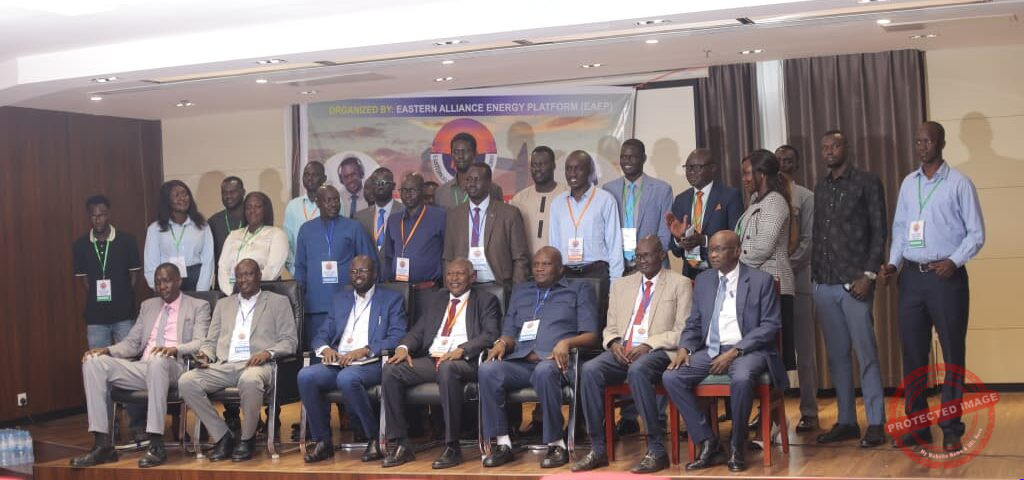
The call was made during a roundtable discussion organized by the Eastern Alliance Energy Platform (EAEP) at Nilepet headquarters in Juba on Thursday. The meeting brought together civil society representatives, oil industry officials and experts to discuss environmental challenges affecting communities around oil-producing areas and possible measures to address them.
Held under the theme “Environmental Impacts of Crude Oil Production Activities in Communities Surrounding Oil-Producing Areas in South Sudan,” the discussion focused on the environmental risks associated with petroleum operations, the importance of monitoring pollution and the responsibility of industry regulators and operators to prevent and address environmental damage.
Eng. Peter Manyang Mawut Atem of Climate and Environment Actions urged stakeholders to prioritize environmental protection, warning that poorly managed oil production could cause lasting damage.
“Oil and gas are very detrimental to the environment. And if nothing is done in a correct way, you will end up permanently destroying the environment,” Manyang said.
He described oil as a non-renewable resource and stressed the importance of protecting the environment, which supports human life and livelihoods.
“Oil is a resource, but it is non-renewable. So, seeing it as non-renewable, we need to be cautious about the environment because the environment is where we live and it is the provider of everything that we have,” he added.
GPOC cites environmental assessments and audits
Lin Pingjiang, Deputy Director of Health, Safety and Environment at the Greater Pioneer Operating Company (GPOC), said the company had undertaken environmental and social assessments and was working with the government to monitor environmental impacts.
Pingjiang said GPOC began environmental and social assessment work in 2018 and started environmental audits in 2022.
He described environmental protection as an important priority for the company, alongside safe and stable oil production, and emphasized cooperation with government institutions and local communities.
However, the discussion also highlighted the importance of ensuring that environmental monitoring translates into effective action, particularly where communities raise concerns about pollution and its potential effects on their health, water sources and livelihoods.
Expert calls for polluters to be held accountable
Dr. Jacob Dut, a policy expert, said South Sudan already had a legal framework for environmental protection but argued that enforcement remained a major challenge.
He said regulators should ensure that companies and individuals responsible for environmental pollution are held accountable under the law.
“We have the legal framework in our country. The challenge we have in balancing oil production and also protecting the environment is that we have not held people accountable,” Dut said.
He argued that regulators should enforce penalties provided for under the law against those found responsible for environmental pollution.
“The polluters are not held accountable. And this is the work of the regulator. The regulator is supposed to hold them accountable and ensure that polluters of the environment, then they are highly fined,” he added.
Dut’s remarks underscored the need to move beyond the existence of environmental laws to effective enforcement, including appropriate penalties for proven violations.
EAEP’s role in energy-sector dialogue
The roundtable was organized by the Eastern Alliance Energy Platform, hosted by Nilepet and held in partnership with the Ministry of Petroleum.
EAEP is a South Sudanese platform that promotes sustainable growth and greater national participation in the energy sector. Its work includes facilitating dialogue among industry stakeholders, supporting capacity-building for South Sudanese professionals and businesses, and advocating policies that can help the country benefit more sustainably from its natural resources.
The platform has also convened discussions on local content in the oil and gas industry, including challenges affecting the participation of South Sudanese workers and businesses.
The environmental roundtable formed part of these broader efforts to bring industry representatives, government officials, experts and civil society together to discuss issues affecting the country’s petroleum sector.
As South Sudan continues to depend on oil revenues, the discussions highlighted the importance of ensuring that petroleum production is accompanied by effective environmental oversight, transparent monitoring and accountability for any verified environmental harm.