NEC defends election timeline adjustment as necessary to ensure credible polls
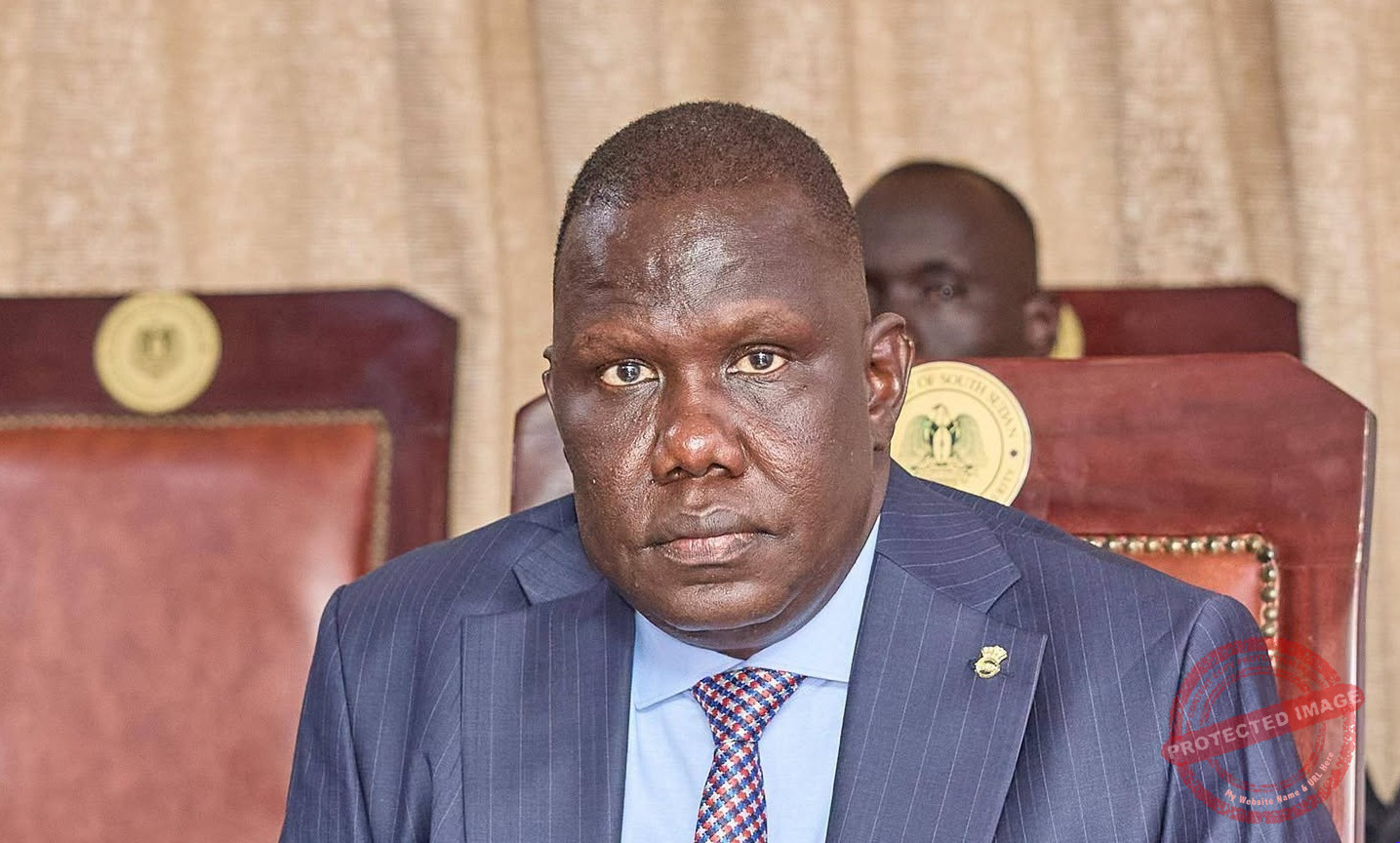
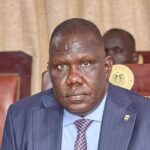
The Chairperson of the National Election Commission (NEC), Gabriel Bol Deng, has defended the adjustment of South Sudan’s electoral calendar, saying the decision was a legal necessity aimed at ensuring credible, transparent and inclusive elections, rather than cancelling or indefinitely postponing the polls.
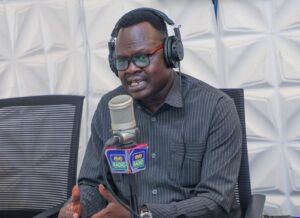
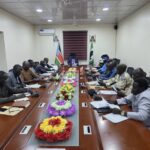
Speaking during Tuesday’s inter-party dialogue, Bol Deng said the Commission needed an additional 115 days to complete essential electoral activities, while only 40 days remained before the previously scheduled December 22 elections.
“We cannot hit 115 days into 40 days,” Bol Deng told participants, arguing that the remaining period was insufficient to complete the required electoral preparations.
He explained that several critical activities had not been completed, including voter registration, nomination of candidates and preparation of ballot papers.
According to the NEC Chairperson, voter registration and related exercises require 58 days, while the nomination process takes 51 days and the campaign period requires 45 days.
Bol Deng said the Commission could not realistically compress these activities into the remaining 40 days without compromising the integrity of the electoral process.
“December 22nd is not humanly practical,” he said.
He cited the 2026 amendment to the National Elections Act as the legal basis for adjusting the electoral calendar, saying it empowers the Commission to move electoral activities when circumstances threaten its ability to conduct proper, transparent, inclusive and credible elections.
Bol Deng identified three legal grounds under which election activities may be adjusted: a state of emergency, a major natural disaster and other circumstances that the Commission considers likely to prevent it from conducting credible elections.
He clarified that the country was not under a nationwide state of emergency and that no major natural disaster had triggered the decision.
Instead, he said the Commission relied on the provisions of the amended law to address practical and logistical challenges facing the electoral process.
“There are people talking, ‘Oh, we postpone, we extend.’ No. We have adjusted the timeline based on the activities,” Bol Deng said.
He also highlighted the outstanding requirements for producing valid ballot papers, saying the Commission had yet to receive the names of political parties, their candidates, party logos and final lists.
“We don’t have your party’s name, we don’t have the name of your candidate, we don’t have the logo of your party, we don’t have the list yet,” he said, adding that producing valid ballot papers within the remaining 40 days would be “humanly impossible.”
The Chairperson further pointed to the production of more than 100,000 transparent ballot boxes, saying the process requires additional time. He noted that South Africa had agreed to support the production of the ballot boxes.
Bol Deng said the Commission had consulted citizens, religious leaders, community representatives, political parties, electoral partners and the African Union before making the adjustment.
He also said electoral counterparts in the region, including Kenya, had raised concerns about the feasibility of completing the required activities within the remaining period.
Defending the decision, Bol Deng warned that forcing the entire electoral programme into an inadequate timeframe could undermine preparations and create further difficulties for the country.
“Our country needs a soft landing. Our country needs a soft landing,” he said.
He maintained that the adjustment was necessary to allow the Commission to follow electoral management procedures guided by the Constitution and the law.
“It was a necessity,” Bol Deng said, reiterating that the decision was driven by the practical requirements of organising the elections.
The Commission’s clarification comes amid public and political debate over changes to the electoral calendar, particularly concerns about whether the adjustment amounts to another postponement of South Sudan’s long-awaited elections.