

Yes, journalists should vote: here is what the law says
As South Sudan prepares for the general elections scheduled for February 11, 2027, an important question has emerged: Should journalists vote?
My answer is YES. Journalists should vote.
Journalists are citizens before they are reporters. They have the same constitutional and democratic rights as other South Sudanese citizens. Their profession does not take away their right to participate in elections or choose their leaders through the ballot.
A review of the Transitional Constitution of South Sudan (2011, as amended) and the Media Authority Act, 2013, does not reveal any general prohibition preventing journalists from registering as voters or casting their ballots.
What does the Constitution say?
The Transitional Constitution of South Sudan guarantees citizens the right to participate in public affairs.
Article 26 protects citizens’ right to participate in public affairs and to vote or be elected in accordance with the Constitution and the law.
This right is not limited to certain professions. Being a journalist does not make someone less of a citizen or take away their right to vote.
Article 14 also guarantees equality before the law and protection against discrimination.
In addition, the National Elections Act provides the legal framework for voter eligibility. Journalists, like other citizens, must meet the applicable requirements to register and vote.
There is therefore no reason to suggest that journalists should be excluded from the electoral process simply because of their profession.
Voting and journalistic impartiality are two different things
Much of the confusion surrounding this debate comes from mixing up two separate issues: the right to vote as a citizen and the duty to remain impartial as a journalist.
These two responsibilities do not necessarily conflict.
Voting is a private democratic choice. A journalist can enter a polling station, cast a secret ballot for a candidate of their choice and return to work without compromising their professional responsibilities.
The important question is not whether journalists vote, but whether they allow their personal political preferences to influence their reporting.
What does the Media Authority Act say?
The Media Authority Act, 2013, provides the legal framework for regulating the media industry and promoting professional standards.
It does not generally prohibit journalists from exercising their constitutional right to vote.
However, journalists have a professional responsibility to uphold accuracy, fairness, balance, objectivity and impartiality in their work.
Section 6(13) of the Act and the South Sudan Media Authority’s Journalists’ Code of Conduct should be considered in understanding these professional obligations.
These standards are important, particularly during election periods when political interests are high and public trust in the media matters more than ever.
Where should journalists draw the line?
There is a clear difference between voting privately and participating publicly in partisan politics.
A journalist exercising their right to vote is not the same as a journalist campaigning for a political candidate.
Journalists must avoid using their professional positions to promote political interests. Publicly campaigning for candidates, wearing partisan symbols while on assignment, accepting money (“brown envelope”) from politicians or deliberately favouring certain candidates in news coverage can undermine professional credibility and violate ethical standards.
The media must remain a platform where all political actors are treated fairly and where citizens can access accurate and balanced information.
Personal political preferences should never determine what a journalist reports or how they report it.
The bottom line
Journalists should not be forced to surrender their democratic rights simply because they work in the media.
They have the right to vote, just like any other eligible South Sudanese citizen. What they must surrender is not their vote, but any attempt to allow personal political interests to interfere with their professional responsibilities.
As we approach the February 11, 2027 general elections, journalists should exercise their right to vote while remaining committed to independent, fair and impartial reporting.
You can be a voter in private and an impartial journalist in public. The two are not mutually exclusive.
I welcome legal experts and constitutional scholars to offer further clarification or correct any interpretation of the law presented here. The debate should be guided by the law, not assumptions.
About the Author
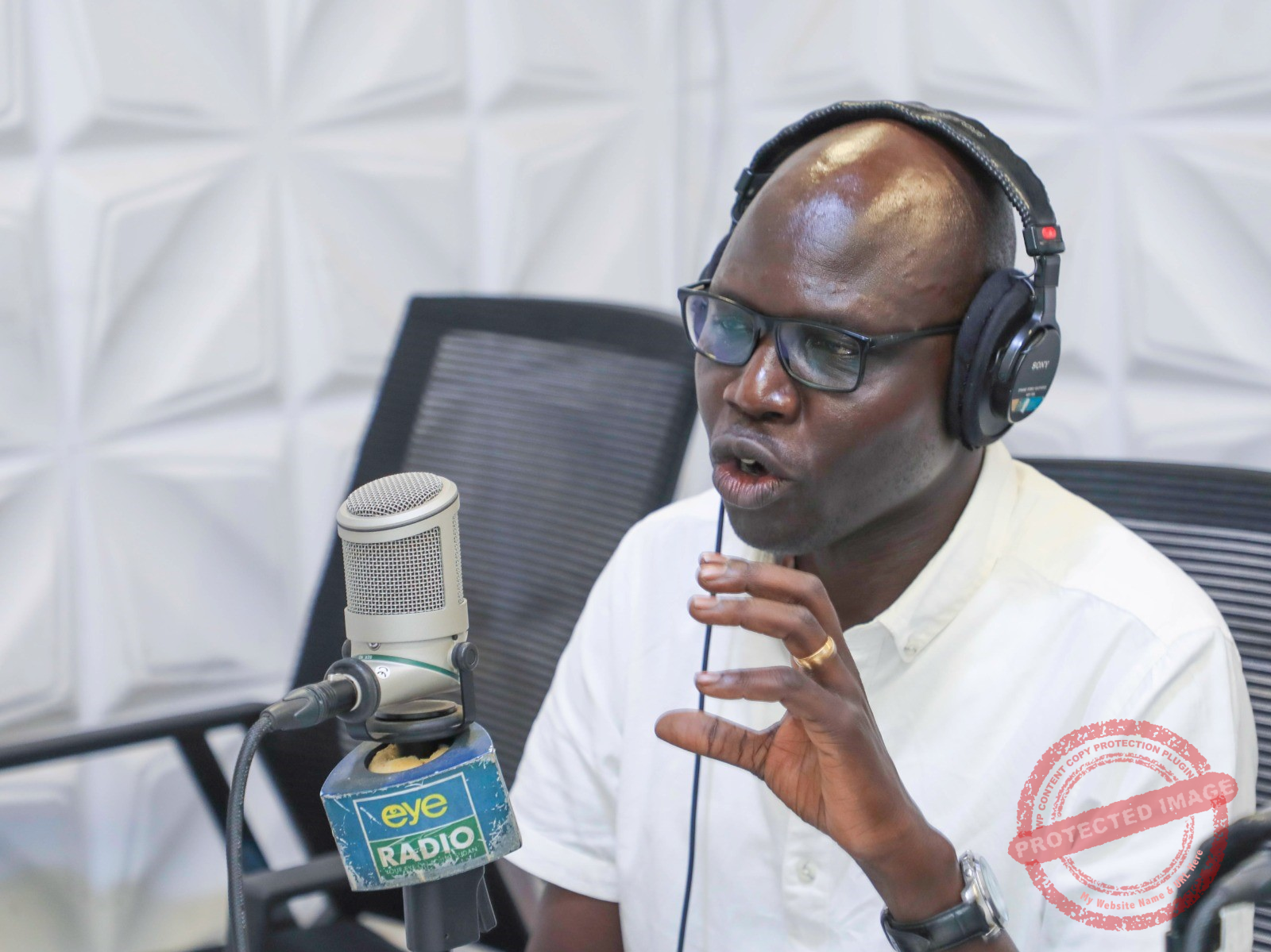
Stephen Omiri Obur is a prominent South Sudanese media executive and the Chief Executive Officer of Eye Media and Eye Radio. He is also a Certified Public Accountant and a PhD candidate in Strategic Management at the University of Nairobi.
He writes on media, leadership, governance, and the social and economic development of South Sudan.
He can be reached at Stephen.Omiri@eyeradio.org.