





Budi women threatened into silence for speaking against gender-based violence
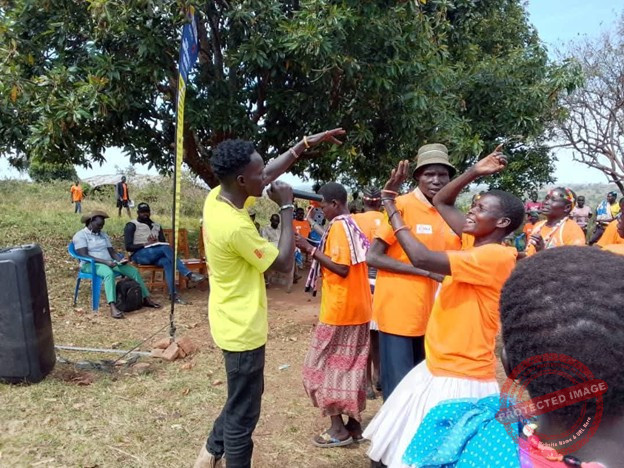
Women in Budi County, Eastern Equatoria State, face threats and pressure to remain silent when they speak out against gender-based violence, a women’s rights advocate has said.
Mandelena Dudu, a member of the Budi Women Association, said women who challenge violence are often accused of undermining cultural traditions, leaving harmful practices hidden and making it harder for survivors to seek support.
“Women who speak out are sometimes threatened into silence because some men believe that challenging GBV undermines cultural norms,” Dudu said during an interview on Eye Radio’s Sundown Show.
She said women in Budi continue to face discrimination, underrepresentation and pressure to remain silent, even during public discussions.
“Violence against women remains high, and women continue to be undervalued and underrepresented,” she said.
Dudu’s remarks come as women leaders call for greater involvement of men and boys in efforts to end gender-based violence, saying the responsibility cannot be left to women and civil society organisations alone.
Davidca Ikai, Chairperson of the Women-Led Network in Eastern Equatoria, said men and boys must be actively involved in challenging violence and harmful attitudes.
“If responsibility for addressing it is left only to women, activists, or civil society organizations, we will never succeed,” Ikai said.
She said gender-based violence affects both women and men, including boys who may suffer in silence.
“Men are gatekeepers, and we need to engage them so they understand how important this issue is,” she said, calling for collective efforts to break the silence surrounding gender-based violence.
Meanwhile, the National Ministry of Gender, Child and Social Welfare says judges have recently been assigned to gender-based violence courts in four states to improve access to justice for survivors.
Ministry representative Suzan Flex Loro said the appointments were intended to address delays caused by mobile courts, which sometimes took several months to return to communities.
“Previously, mobile courts travelled from Juba to different parts of the country, sometimes taking six months to return to locations where they had handled cases,” Loro said.
She said the appointment of resident judges was among the measures being introduced to improve the response to gender-based violence cases.
The discussion also examined the links between gender-based violence and the Women, Peace and Security agenda.