


COP27 parties reach deal to compensate climate-hit countries
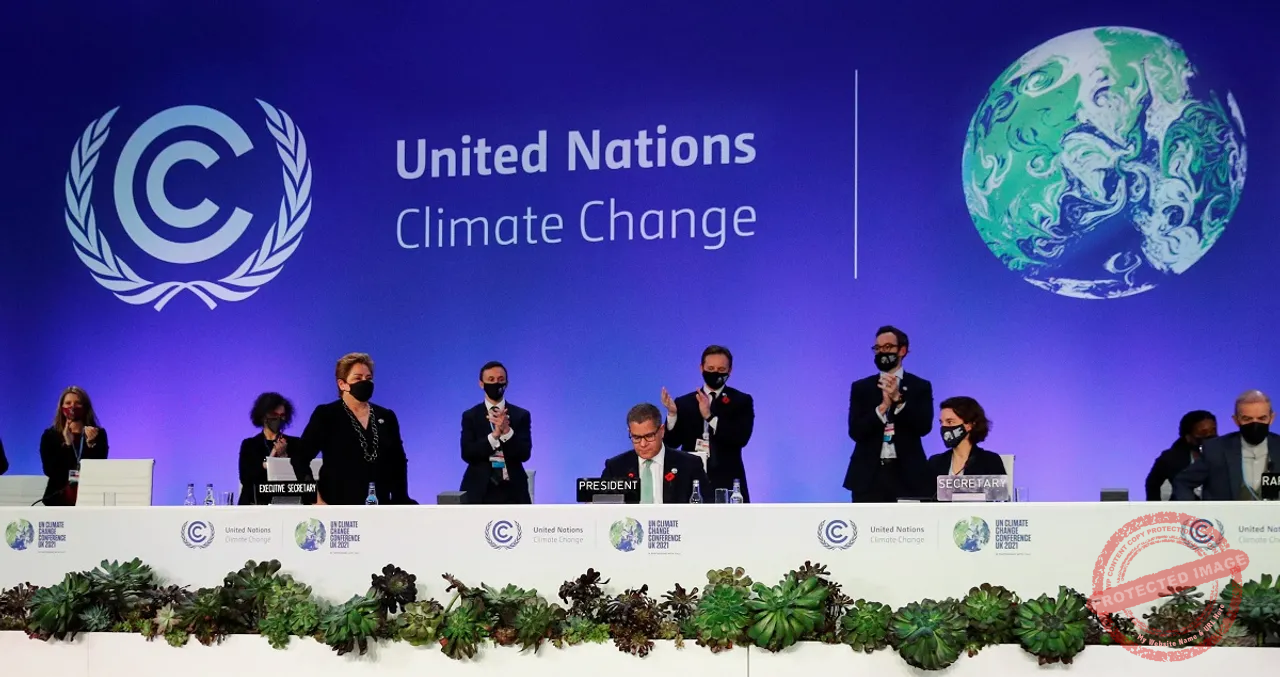
The United Nations Climate Change Conference (COP27) reached a last-minute agreement on a funding mechanism to compensate vulnerable countries for ‘loss and damage’ from climate-induced disasters.
The parties to at the conference struck the deal after days of intense negotiations that only yielded fruit on Sunday morning in Sharm el-Sheikh, Egypt.
UN Secretary-General Antonio Guterres said in a video message that the voices of those on the front line of the climate crisis must be heard.
During the conference, developing countries made strong and repeated appeals for the establishment of a loss and damage fund, to compensate the countries that are the most vulnerable to climate disasters, but who have contributed little to the climate crisis.
“Clearly this will not be enough, but it is a much-needed political signal to rebuild broken trust,” Gutteres pointed out, adding that the UN system will support the effort.
Shoukry added that “the world is watching”, and called nations to rise to the expectations of the people, especially by the most vulnerable to climate change.
According to a UN press release, the negotiators were finally able to reach conclusions on the most difficult items of the agenda.
These include a loss and damage facility – with a commitment to set up a financial support structure for the most vulnerable by the next COP in 2023, as well as the post-2025 finance goal.
They also agreed on the so-called mitigation work programme that is expected to reduce emissions faster, catalyze impactful action, and secure assurances from key countries that they will take immediate action to raise ambition and keep us on the path towards 1.5°C.
Despite describing the deal as a step in the right direction, UN says there is to be little progress on other key issues, particularly on transitioning from fossil fuels to renewable energy to limit global warming to 1.5 degrees Celsius.
UN Chief Antonio Guterres reminded the world of what remain the priorities regarding climate action, including the ambition to reduce global greenhouse gas emissions and keep alive the Paris Agreement’s 1.5 degree Celsius limit, and pull humanity “back from the climate cliff”.
“We need to drastically reduce emissions now – and this is an issue this COP did not address,” he said.
The UN chief also emphasized the need to make good on the long-delayed promise of $100 billion a year in climate finance for developing countries, establishing clarity and a credible roadmap to double adaptation funds.
He also reiterated the importance of changing the business models of multilateral development banks and international financial institutions.
“They must accept more risk and systematically leverage private finance for developing countries at reasonable costs,” he said.
The UN chief said that while a fund for loss and damage is essential, it’s not an answer if the climate crisis washes a small island State off the map – or turns an entire African country into a desert.
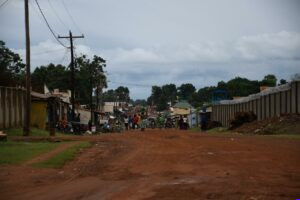
South Sudan’s disastrous four years of flooding has been attributed to climate change by humanitarian agencies and climate experts.
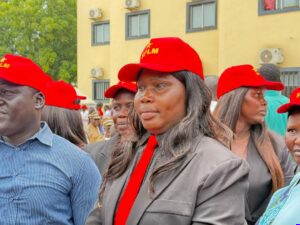
The country, whose oil export accounts for more than 90 percent of its annual revenue – also sent delegates to the climate change conference.