Expert explains Kajo-Keji-Moyo border dispute, proposes solutions
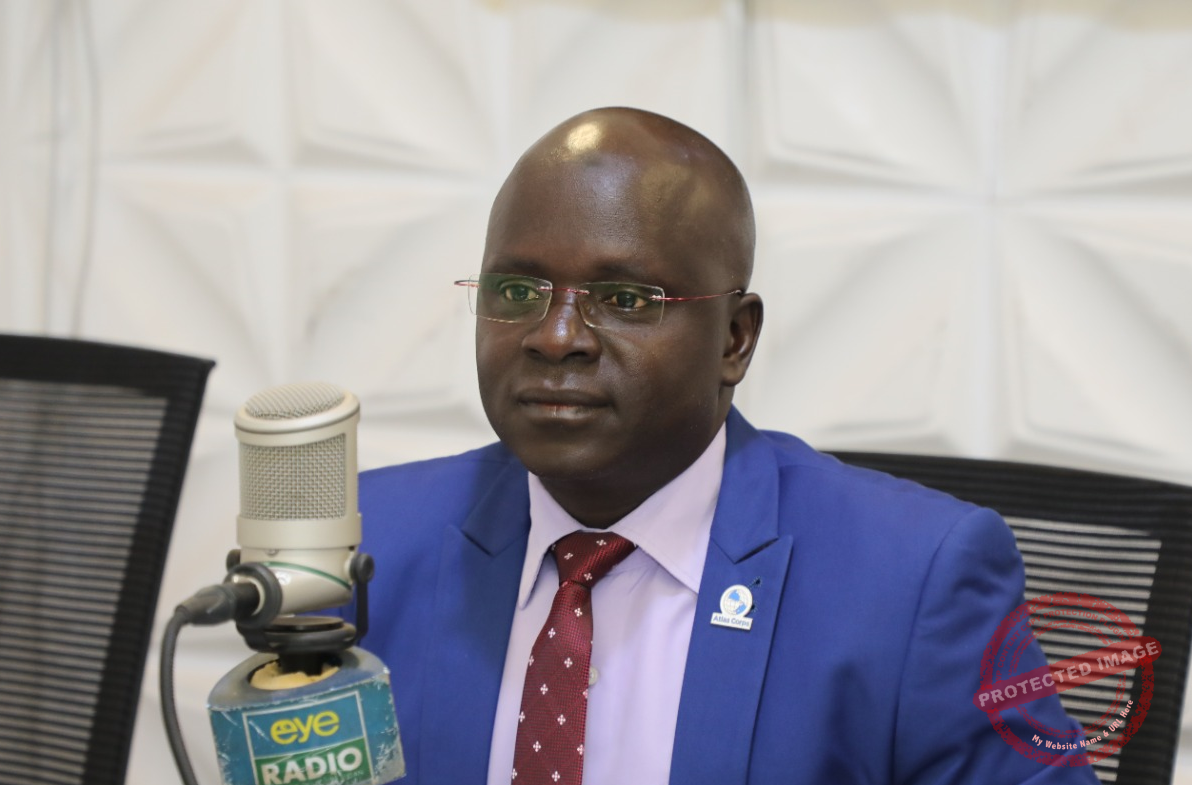
A Public Policy Specialist has outlined a detailed approach for resolving the border dispute between Moyo District in Uganda and Kajo-Keji County in South Sudan, emphasizing strategies to avoid conflict.
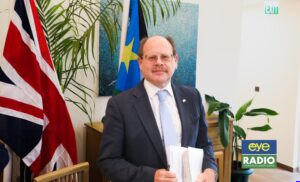
Alimure Awuda Amena, a South Sudanese independent Public Policy Specialist, has developed a policy brief document focusing on the border disputes between Kajo-Keji County of South Sudan and Moyo District of Uganda.
The nine-page document offers key recommendations for the governments of South Sudan and Uganda to promote respect for both countries’ sovereignty, territorial integrity, and freedom.
It also outlined mutual programs to address cross-border crimes between the two countries.
Alimure recommended that South Sudan and Uganda establish a neutral joint army in all the hotspot areas of dispute to secure and deter civilian casualties and prevent further encroachments.
The expert also suggests a resolution of border conflicts through negotiation, adding that a diplomatic and negotiated settlement would be essential.
Other key recommendations include the construction of joint infrastructures for cross-border connectivity to strengthen the relationship and aid in resolving problems along the borders.
Speaking on the Dawn show today, Alimure said the border encroachment by Uganda is a national security threat to South Sudan.
He, however, called on both Juba and Kampala to calm down the border tension after increased reports of the Uganda People’s Defense Forces encroaching on South Sudanese territories.
“The issue of border and encroachment is a threat to the National Security of South Sudan so, the government should take it as a priority so that they first calm down the situation,” Awuda said.
“They embark on of course the other issues that are confronting the country,” he added.
He said even if we fix political, economic social or other issues in the country, “There is an encroachment and security threat that one and then shall have done nothing.”
“I am recommending that the government take it as a priority to calm down the situation of the border dispute,” he said.
“Awude added, “The International borders are the sole monopoly of the central government. It is up to Juba and Kampala to finally resolve that issue.”
On Sunday, the Commissioner of Kajo-Keji County in Central Equatoria State reported that about 200 villages inside South Sudan have been illegally occupied by Ugandan settlers.
David Lisi Christopher said the illegal settlement of foreigners came after the Ugandan army evicted South Sudanese villagers near the international border lines.
Similar encroachments by the Uganda People’s Defense Force have also been reported in multiple areas in Eastern Equatoria State.
Awuda believes that Indigenous communities in the border areas and the 1914 British theoretical definition are the best tools for resolving the South Sudan–Uganda border disputes.
“The indigenous communities who are the landlord knows exactly where they are lands end. Number two are the British colonialists because they have in their archives the maps of the theoretical definition of the land between Uganda and then Sudan so the British can assist us with how they theoretically demarcated that land,” Awude said.
“As I quote, it was already put by the order of the secretary in 1914 that the border between Uganda and Sudan is the end of the southern land of the Kuku tribe,” he said.
“If people now go for practical survey and demarcation, they can use that statement, use those maps, use that document and now ask the landlords for example Kuku tribe from here where does your land end southward.”
Meanwhile, a group of religious leaders in Central Equatoria State has called for joint efforts to end the border disputes between South Sudan and Uganda.
The six religious leaders called for immediate intervention to address what they described as the hostile treatment of South Sudanese along perceived border lines by Ugandan authorities.
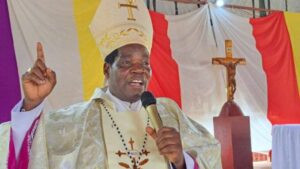
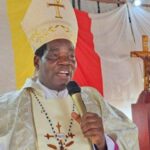
Paul Benjamin Yugusuk is the Archbishop of Central Equatoria Internal Province of the Episcopal Church of South Sudan.
“We have seen over social media people who have been arrested, people who have been sort of questioning. We want to improve the relationship between the two neighbouring countries that is our concern,” Archbishop Yugusuk said.
“In regards to the demarcation of borders that is there, but we want to see this neighbouring countries and communities stay together in harmony so involvement of army here causes some questions,” he said.