




Renk ammunition depot explosion victims may seek compensation, says lawyer
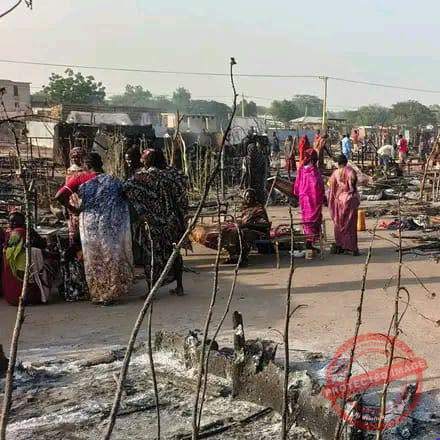
Civilians injured or whose properties were damaged in the ammunition depot explosions in Renk, Upper Nile State, may be entitled to seek compensation if investigations establish negligence or failure to observe safety standards, a legal researcher has said.
Advocate Santio Daniel said affected civilians could pursue civil claims against the responsible authorities if evidence establishes that negligence contributed to the explosions and the resulting injuries or property damage.
His legal analysis follows a series of explosions at ammunition storage facilities belonging to the South Sudan People’s Defence Forces (SSPDF) First Division in Renk.
The incident reportedly began with a fire inside one of the ammunition depots before spreading to other storage facilities, triggering several explosions.
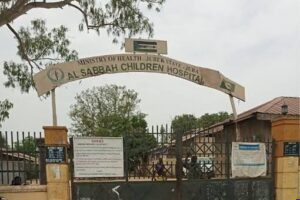
On Thursday, Renk County authorities reported that Renk Civil Hospital had received several civilians injured by shrapnel following the incident.
Preliminary information indicated that the injuries varied in severity and involved both civilians and members of the organised forces who were inside the military headquarters at the time of the explosions.
The division’s commander reportedly suggested that high temperatures may have contributed to the incident. However, the actual cause of the fire and subsequent explosions remains subject to investigation.
Daniel said investigations should establish whether there was negligence in ammunition storage, failure to maintain safe distances, inadequate fire prevention systems or insufficient measures to protect civilians living near the military installation.
“In the case of the Renk ammunition depot explosions, the investigation should establish whether there was negligence in the storage of ammunition, failure to maintain safe distances, inadequate fire prevention systems or failure to take sufficient measures to protect civilians living near the military installation.
“If investigations establish that the responsible institution failed to observe its safety obligations, and that this failure directly contributed to the explosions and resulting injuries or property damage, affected civilians may have grounds to pursue civil compensation.”
He said potential compensation could cover physical injuries, medical expenses, hospitalisation, medication, rehabilitation, temporary or permanent disability, loss of income and damage to homes, businesses and other personal property.
The legal analysis further cites Articles 20 and 41(5) of South Sudan’s Transitional Constitution of 2011, which it says provide a basis for access to justice and compensation for victims.
Daniel also argued that the military nature of the ammunition storage facility does not automatically exempt the responsible authorities from legal accountability.
He said civil liability would depend on establishing negligence, actual damage and a direct link between the alleged failure to observe safety obligations and the harm suffered by affected civilians.