
South Sudan now hosts over half a million refugees: UNHCR

South Sudan is currently hosting more than half a million refugees after 810,000 people poured into the country from Sudan following the outbreak of fighting there in April 2023, the UN Refugee Agency said.
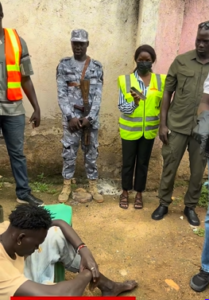
UNHCR said the refugees are being hosted across 30 locations mainly refugee camps in Maban of Upper Nile, Jamjang in Ruweng Administrative Area, Wedweil in Northern Bahr el Ghazal, and Gorom in Central Equatoria.
The agency reveals that the influx has almost doubled since 2023 as South Sudan now hosts the second largest number of people fleeing Sudan – a situation that it says underscores the growing impact of the crisis across the region.
It stated that more than half of all refugees in South Sudan are currently hosted in Maban County while another 135,000 refugees are living in the Ruweng Administrative Area.
“The refugee population in South Sudan has almost doubled in less than 18 months and we expect worse to come. The conflict in Sudan is hitting South Sudan harder than any other country in the region and adds to the immense challenges the nation is facing,” said Marie-Helene Verney, UNHCR’s Representative in South Sudan.
Ms. Verney said UNHCR and other humanitarian actors are now calling for others to join efforts to help South Sudan integrate the hundreds of thousands who have arrived.
“It is clear, however, that the only solution is the end of the conflict in Sudan. South Sudan is reeling from the shock and cannot continue to absorb so much suffering,” she added.
UNHCR said a growing number of new arrivals are opting to settle in urban areas, presenting both opportunities and challenges for integration within local economies and communities.
The ongoing crisis in Sudan has severely disrupted supply routes and oil exports, raising inflation and further weakening the economy, the agency underscored.
“Prices of essentials including food have skyrocketed, limiting available resources in host communities, and making it extremely challenging to integrate new arrivals.”
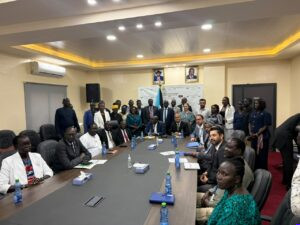
UNHCR said it is working with South Sudan’s Commission for Refugees Affairs under the Ministry of Interior, and other partners to support new arrivals and the local communities receiving them.
It said while funding for South Sudan remains generous, resources to fully meet people’s needs are still significantly low, adding that as of October 2024, UNHCR activities in the country were only 47 per cent funded.
Before the Sudan conflict, South Sudan was already home to 275,000 refugees, most of whom were from Sudan and had arrived over a decade ago.