
EXPLAINER: What Michael Makuei says about elections at Inter-Party Dialogue

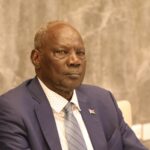
JUBA, South Sudan — Caretaker Minister of East African Community Affairs Michael Makuei Lueth says South Sudan should proceed with general elections scheduled for December, arguing that the legal framework for the polls is already in place and that the remaining task is to determine the way forward and establish a timeline through the National Elections Commission.
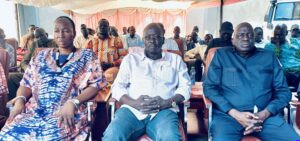
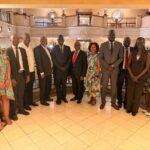
Speaking during an inter-party dialogue in Juba, Makuei said discussions should focus on outstanding issues in the peace agreement and preparations for elections rather than reopening questions he considers already settled.
Why does Makuei say elections should proceed?
Makuei said provisions for general elections are already contained in the peace agreement, the Constitution and the election law. He argued that the dissolution of the executive and legislative institutions indicates that the country is preparing for general elections.
According to Makuei, the National Elections Commission is responsible for providing the timeline for the process. “The ball is at present in the court of the election commission,” he said, adding that political parties should focus on the remaining tasks required to move the country towards elections.
His remarks reflect his position that the dialogue should concentrate on implementation and preparations rather than debating whether elections should take place.
What is the role of the National Elections Commission?
Makuei said the commission is expected to provide the way forward in terms of the election timetable. He did not provide a specific timetable during his remarks. Instead, he said political parties were waiting for the commission to clarify the next steps.
The timing and implementation of the electoral process therefore remain central to the discussions among political parties and the institutions responsible for organizing the polls.
Why does he want the 2008 population census used?
One of the main issues raised during the dialogue was the delimitation of electoral constituencies. Makuei said the country should use constituencies based on the 2008 population census for the upcoming elections because no new population census has been conducted to provide an alternative basis.
He noted that the distribution of the population has changed, with some constituencies experiencing population declines while others, including Juba, have grown. Despite these changes, he argued that new constituencies should not be created without an updated census.
“We are going in accordance with the constituencies of 2008,” he said. Makuei said constituency boundaries and representation could be reviewed after a new population census and the adoption of a permanent constitution.
His position means that the existing constituency framework would remain in use for the upcoming polls, even where population changes have affected the number of people represented in individual constituencies.
What does he say about Parliament and the Council of States?
Makuei said the composition of the national legislature and the Council of States would remain unchanged until the country adopts a permanent constitution and conducts a population census.
He referred to the National Legislative Assembly’s 270 seats and explained that the eventual composition of the Council of States would be determined under the permanent constitutional framework.
Minister Makuei said state assemblies would elect five members each to the Council of States, while administrative areas would elect two members each, in accordance with the arrangements he outlined.
These remarks reflect his view that questions concerning representation and constituency numbers should be addressed through the permanent constitution and an updated population census rather than delaying the current electoral process.
What happens to unresolved issues in the peace agreement?
Makuei said the inter-party dialogue should address outstanding issues in the peace agreement and establish a commitment by political parties to implement the resolutions reached.
He called on parties that signed the agreement, as well as other registered political parties participating in the process, to commit themselves to implementing the resolutions regardless of which party wins the elections.
The Minister said such a commitment would help parties work together in the interest of the country after the polls. The proposal places emphasis on political consensus and the implementation of agreed resolutions beyond the election period.
What does this mean for South Sudan’s December elections?
Makuei’s remarks indicate that he wants the political dialogue to focus on preparing for elections under the existing legal and constituency arrangements while leaving broader constitutional and population-related questions for a later stage.
His position is that the country should proceed with the electoral process, obtain a timetable from the National Elections Commission and secure commitments from political parties to respect and implement the dialogue’s resolutions.
However, his statements represent his position during the dialogue and do not, by themselves, establish the final timetable or resolve all outstanding questions concerning the elections.
The next steps depend on decisions by the relevant electoral institutions and the outcome of discussions among the political parties on the outstanding issues in the peace agreement.