

UN warns of severe flood risk in Bentiu, urges urgent action on durable solutions for IDPs

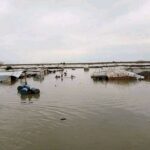
JUBA, South Sudan — The United Nations has warned that Bentiu could face severe flooding sooner than anticipated, calling on the government and humanitarian partners to urgently strengthen preparedness and accelerate long-term solutions for internally displaced people in Unity State.
Ramanathan Balakrishnan, the UN Deputy Special Representative of the Secretary-General, Resident Coordinator ad interim and Humanitarian Coordinator, said persistent high-water levels and the potential impact of a super El Niño event could increase flood risks in the area.
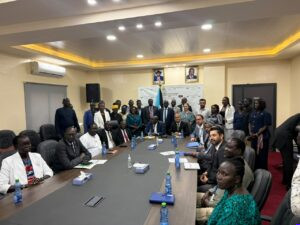
Speaking during a high-level ministerial ad hoc committee meeting on durable solutions for displaced communities on Thursday, Balakrishnan said the situation in Bentiu requires immediate preparedness measures alongside long-term investments in resilience and recovery.
“What may have been considered a longer-term contingency must therefore be treated as an immediate preparedness priority,” he said.
The meeting, held in collaboration with United Nations agencies, brought together officials from several government ministries, including Finance and Planning, General Education and Instruction, Water Resources, Land and Housing, Labour, and Environment.
Balakrishnan said the crisis in Bentiu extends beyond humanitarian assistance, describing it as a development, climate resilience and human security concern with implications beyond Unity State.
He called for concrete, time-bound solutions backed by clear responsibilities, adequate resources and accountability from the government and its partners.
The UN official said reducing dependence on humanitarian assistance requires a two-pronged approach: preventing more people from falling into humanitarian crises and helping that already displaced move towards sustainable recovery.
He said durable solutions should provide displaced families with meaningful opportunities to rebuild their lives through voluntary return, local integration or relocation, depending on their circumstances and informed choices.
The approach, he added, must include improved water management, essential services, livelihood opportunities, access to land and housing, freedom of movement and investment in host communities.
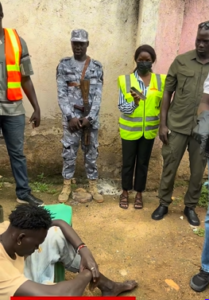
Balakrishnan cited visits to Pakur and Dobore as examples of progress towards relocation and more sustainable living conditions for displaced populations.
He also said area-based coordination initiatives in Bentiu, Malakal and Wau had provided important platforms for aligning humanitarian, development and peacebuilding efforts.
However, he warned that coordination alone would not be enough without concrete decisions and sustained implementation.
His remarks come amid declining humanitarian resources globally, which he said have made the existing model of maintaining large, protracted displacement sites through humanitarian assistance increasingly unsustainable.
Speaking on behalf of the caretaker Minister of Humanitarian Affairs and Disaster Management, the caretaker Minister of General Education and Instruction, Kuyok Abol Kuyok, said the government was working with humanitarian and development partners to address the needs of flood-affected and displaced communities.
Kuyok said government interventions include emergency food assistance, shelter, non-food items, healthcare, clean water, sanitation and protection services, subject to available resources and operational access.
He said authorities were also strengthening coordination among national and state institutions, humanitarian organizations, local authorities and affected communities to improve needs assessments and assistance delivery.
The minister identified recurrent flooding, limited financial resources, logistical constraints, inadequate resilient infrastructure, livelihood losses and institutional coordination gaps as major obstacles to an effective response.
He said flooding repeatedly destroys homes, roads, agricultural land and essential infrastructure, undermining progress made through previous humanitarian interventions.
Kuyok called for greater investment in drainage systems, raised roads, flood-protection structures, safe shelters and reliable water and sanitation facilities to reduce communities’ exposure to recurring disasters.
He also emphasized the need to restore agricultural production, livestock rearing, fishing and small businesses to help affected households regain their livelihoods and reduce reliance on emergency assistance.
“The humanitarian situation in South Sudan, especially in Unity State, calls for urgent action, stronger partnerships and a shift from repeated emergency response towards preparedness, resilience and sustainable recovery,” Kuyok said.
He added that the government remained committed to protecting the lives and dignity of people affected by displacement and disasters.
The meeting builds on South Sudan’s National Durable Solutions Strategy and Plan of Action for 2024–2028, launched in October 2024 to help internally displaced people, returnees, refugees and host communities achieve safe, dignified and sustainable solutions. The UN says the strategy aims to move beyond short-term relief towards recovery, development and self-reliance.
In January 2026, the government and its partners convened the first high-level national Steering Committee meeting on durable solutions in Juba, identifying Unity, Upper Nile and Western Bahr el Ghazal as priority states for coordinated interventions.
The meeting called for state-level roadmaps covering land allocation, housing, basic services, livelihoods and community peacebuilding, with the government and the UN setting a target of helping at least 60,000 displaced people achieve sustainable solutions by December 31, 2026.
In June, the government and the UN reaffirmed the target, while noting that progress depended on access to land, essential services and security. At the time, the UN reported that more than 2.5 million people remained internally displaced across South Sudan. Unity State’s durable solutions roadmap was also being developed to guide interventions in the area.
The latest meeting in Bentiu underscores the urgency of translating those commitments into practical measures, particularly as flood risks persist and humanitarian funding declines.
Both the government and the UN say efforts must ensure that displaced families are not trapped in repeated cycles of displacement and aid dependency, but can rebuild their lives in safety, dignity and resilience.