



Napwon describes Fangak as ‘most neglected part of South Sudan’, says women and children are suffering
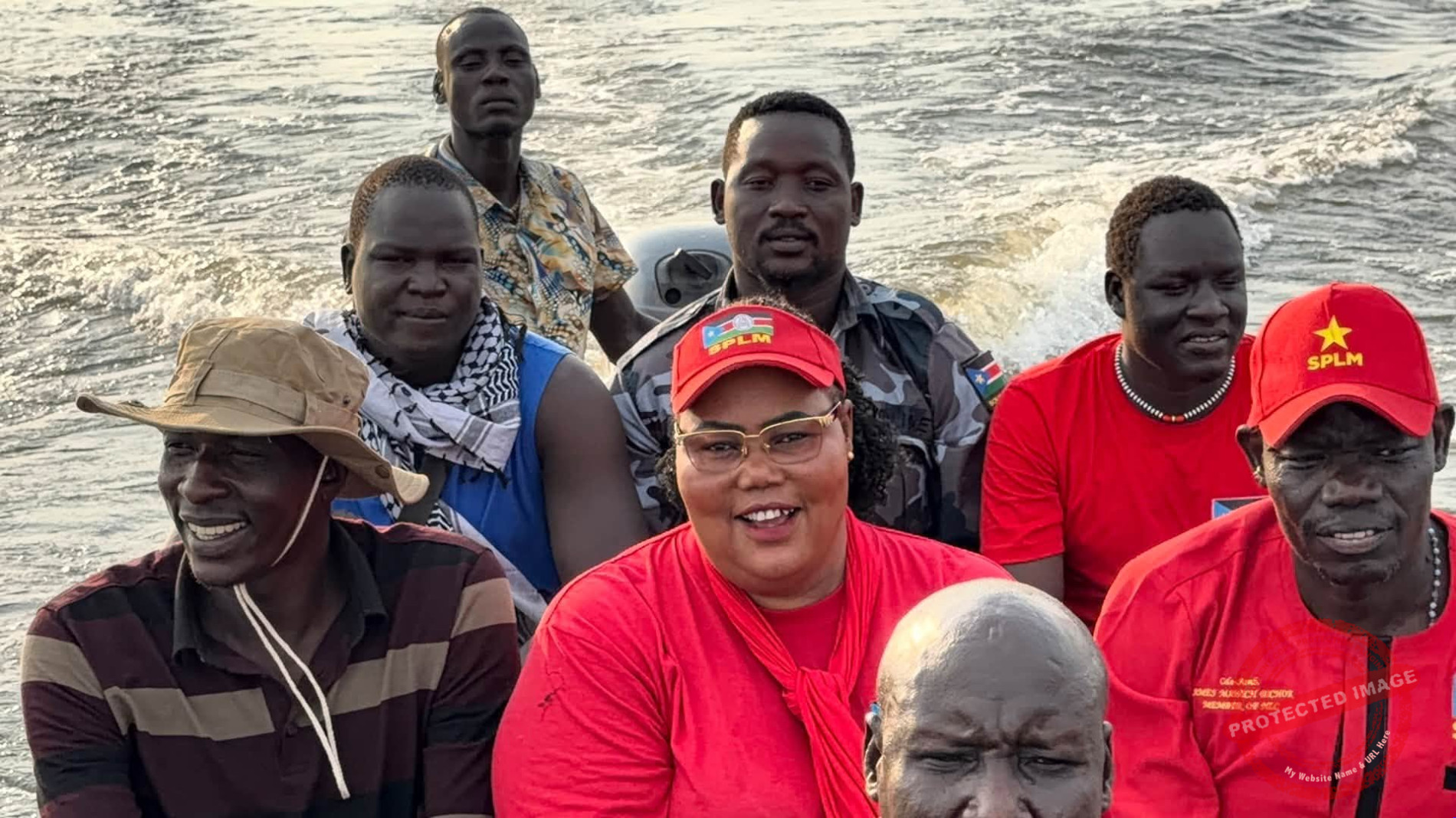
The Chairperson of the High-Level Committee overseeing the SPLM primaries in Jonglei State, Hon. Josephine Napwon, has described Fangak County as one of the most neglected areas in South Sudan, saying women and children are suffering from a lack of basic services and infrastructure.
Napwon made the remarks on Wednesday, November 18, during the opening of the SPLM governorship primaries in Jonglei State, where she said her committee’s visit to remote parts of the state had exposed the difficult conditions facing local communities.
She said women and children were among the worst affected by the lack of schools and healthcare facilities, calling on national and state leaders to pay greater attention to communities far from the capital.
“We have reached Fangak, the forgotten area, where people are suffering. There are many children, there are many women. There is no service at all in that area. Those people deserve the service that we enjoy in the capital Juba. Those people deserve the rights to be in the Republic of South Sudan,” Napwon said.
Napwon stressed that the committee’s mission was not limited to conducting the party primaries but also involved assessing the living conditions of people across Jonglei State.
“We did not only come to do election, but we also came in order to see the situation and condition of our people. Because it is very important. This election we are doing because of our people. We are doing this election in order to get service nearer to our people,” she said.
She called on the government and other stakeholders to ensure that all communities have access to basic services and enjoy equal rights.
Napwon also challenged perceptions that women cannot manage fragile states, saying her experience travelling to remote areas of Jonglei had demonstrated that women were equally capable of handling difficult assignments.
“When I was coming here, we were told this is one of the fragile states that a woman cannot manage. This is what I was told,” she said.
“But I want to say that what a man can do, a woman can do,” she added.