




Airlines resume operations in Wau after dispute over $5 passenger levy
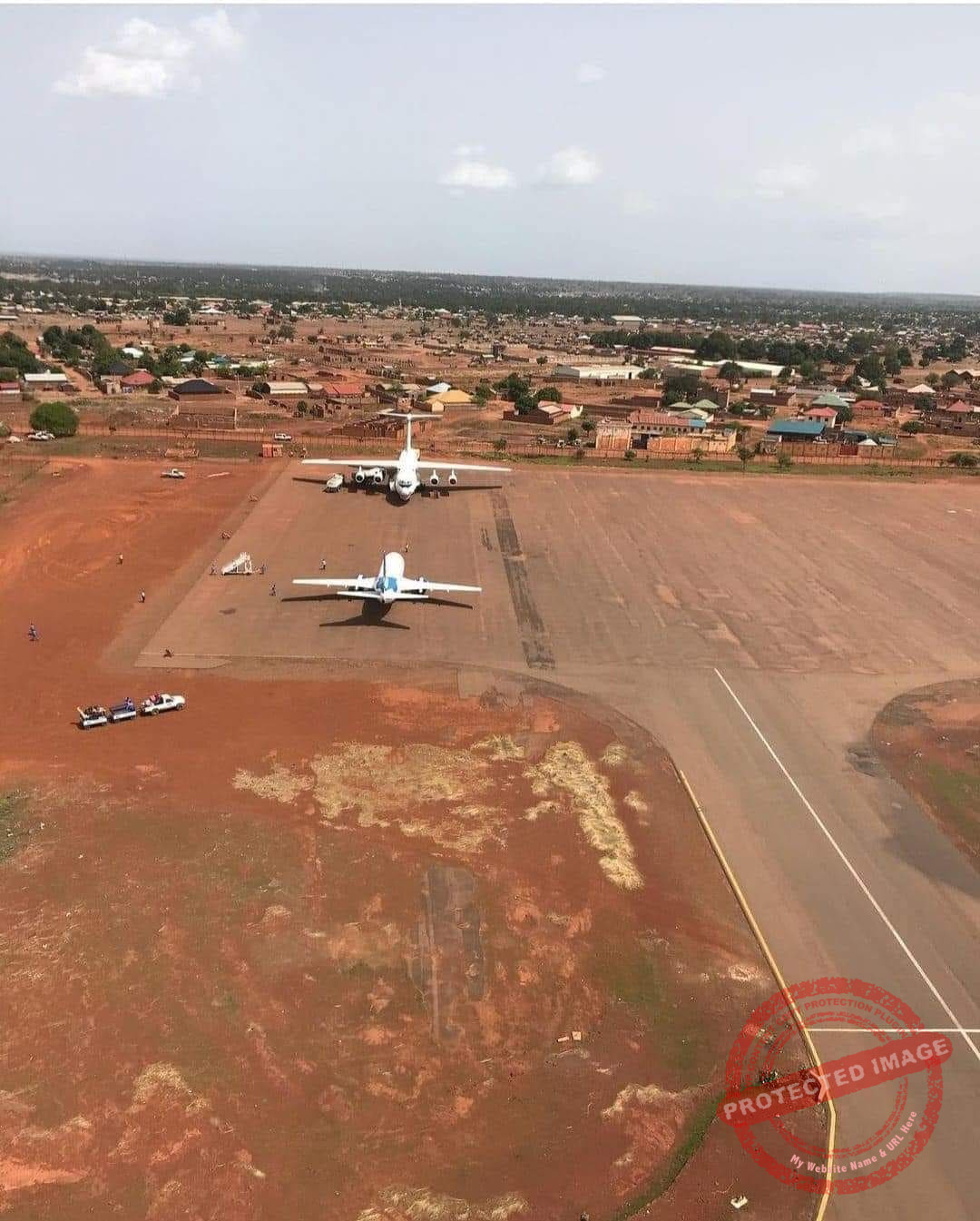
The South Sudan Airlines Operations Union says operations by Kush Airlines and Arojet Airlines in Wau, Western Bahr el Ghazal State, have resumed following the suspension of a state government directive requiring airlines to collect a five-dollar stamp duty from passengers.
The two airlines had their offices closed on November 9 by the state government after refusing to implement the charge, which was intended to be remitted to the governor’s office.
The dispute was resolved following intervention by national aviation authorities, according to Gabriel Ngang Maduok, Secretary General of the South Sudan Airlines Operations Union.
Maduok said a meeting last week involving the Undersecretary and the Director General of Civil Aviation led to a letter being sent to Wau, resulting in the suspension of the directive.
“The governor closed the offices of two airlines just because they did not add the five dollars that needed to be remitted to the governor’s office. As airlines, we refused,” Maduok said.
He added that the aviation authorities took the matter seriously and intervened to stop the collection of the additional charge.
“They wrote a letter to Wau, and it has stopped. Operations have resumed, and no one has been asked to pay the five dollars per ticket,” he said.
The union argues that introducing the charge would increase the cost of air travel and place an additional financial burden on passengers.
“If we add the five dollars, ticket prices will increase, which is something we do not want to happen to citizens,” Maduok said.
The dispute followed a directive by the Western Bahr el Ghazal State government requiring airlines to collect and remit five dollars in stamp duty from each air passenger. State officials had defended the charge, citing Article 179 of the national Constitution, which outlines sources of revenue for state governments.
However, Maduok questioned the authority of state governments to introduce charges within the aviation sector, arguing that any changes to departure fees, passenger charges or landing fees should involve the relevant national aviation authorities and follow established legal procedures.
He said the closure of the two airline offices for three days resulted in financial losses for the companies and disrupted passengers who had booked flights for urgent travel.
“Some clients had booked flights because they were sick and needed to be transported. Others had booked to transport dead bodies for funerals. Some had to change their plans and use road transport,” he said.
Maduok said the disruption affected both passengers and airline operators, adding that any proposed changes to aviation charges should be discussed with the companies before implementation.
“If there is any change, Civil Aviation should call the companies for discussions and agree on a unified way forward,” he said.
He maintained that the airlines had opposed the charge because of its potential impact on passengers and called for aviation-related fees to be handled through the appropriate national institutions.
The union says the five-dollar charge is no longer being collected from passengers following the intervention.
Western Bahr el Ghazal authorities have yet to confirm the dispute resolution