


CES Health Minister urges healthcare workers to end HIV stigma and discrimination
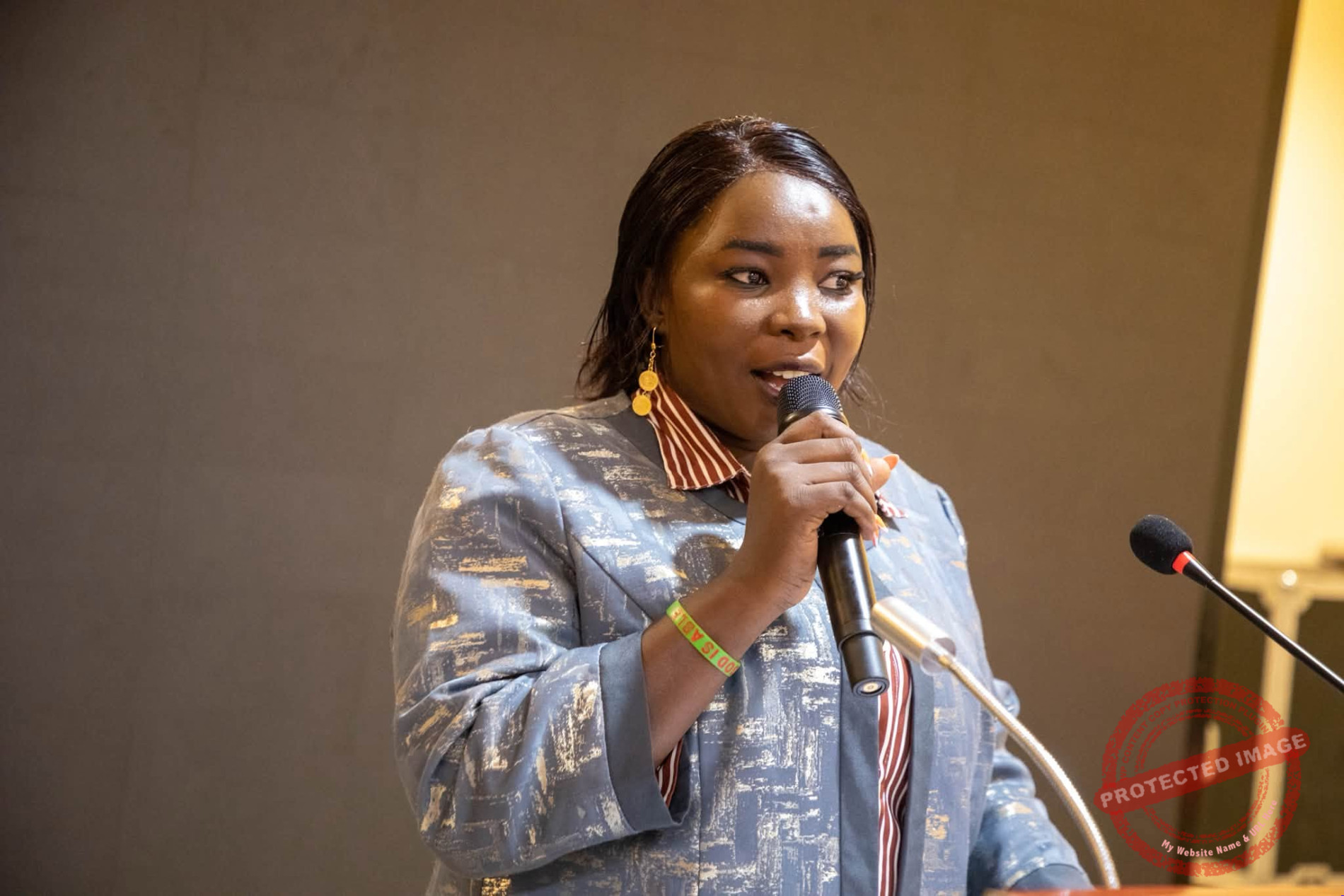
The Central Equatoria State Minister of Health has urged healthcare workers to respect the dignity, privacy and rights of people living with HIV, warning that stigma and discrimination discourage patients from seeking essential health services.
Minister Rina Dongo Stella Vincent made the remarks during the launch of a two-day training workshop for healthcare and non-healthcare workers from selected health facilities in Juba.
The training aims to strengthen participants’ capacity to address stigma and discrimination against people living with HIV.
Rina said HIV is not only a health issue but also a human rights and social concern that requires collective action from healthcare providers, community leaders and the wider public.
She expressed concern that some healthcare workers contribute to stigma by treating people living with HIV differently and imposing unnecessary restrictions that could expose their HIV status.
“As the Ministry, we want to ensure that we have equal treatment for everybody, regardless of the sickness. We want to ensure that we have dignity and respect, and also access to healthcare services regardless of their status. Let us serve them.
“Our responsibility is to take care of the people and work for the people. Beyond treating illness, it also involves protecting human dignity, maintaining confidentiality, showing compassion and ensuring that nobody is denied healthcare because of fear or interest,” she said.
The minister urged participants to apply the knowledge gained during the training in their respective workplaces, particularly by protecting patient confidentiality, showing compassion and ensuring equal access to healthcare.
She also called for professionalism and improved service delivery among healthcare workers.
Meanwhile, Alice Ukua, a programme officer with the South Sudan Network of People Living with HIV (SSNeP), said stigma and discrimination remain major barriers to HIV testing, treatment and care.
She said newly diagnosed patients are particularly affected, with some struggling to accept their status and access treatment because they fear being identified as HIV-positive by family members, friends and healthcare workers.
Ukua said some patients even provide false names in health facility registers to conceal their identities.
She explained that the training is being conducted under the Positive Action project, developed by SSNeP in 2025 to address gaps in HIV programming, particularly stigma and discrimination within health facilities.
“The main challenge for people living with HIV at the facility is the stigma they are getting from healthcare workers because of lack of confidentiality. We really want to make sure that confidentiality is maintained at the facility but somebody who doesn’t want to come out we don’t forced people, you stay where ever you are in your comfort zone in your office in your house take your Medicine,” she said.
Ukua also identified inadequate counselling, limited availability of expert clients and funding reductions as challenges affecting HIV service delivery.
She said expert clients, who are people living with HIV who have accepted their status, play an important role in supporting newly diagnosed patients through peer counselling, encouragement and treatment adherence.
However, she noted that not all health facilities have these peer supporters, leaving some patients without the support they need.
The workshop has brought together ART in-charges, data clerks, PMTCT staff, counsellors, other healthcare workers, people living with HIV, chiefs, women leaders and youth representatives from ten health facilities.
The participating facilities include Juba Teaching Hospital, Al Sabah, Nyakuron, Kator, Munuki, Kimu, Lutheran, POC 1, Goron, PSCC and New Site.
Participants welcomed the training, describing it as an important step towards improving understanding of HIV and addressing misconceptions in health facilities and communities.
Loeng Peter Chek, a Community Health Service Officer at Al Sabah Children’s Hospital, said reducing stigma would encourage people living with HIV to seek medical care, collect their medication and attend routine viral load monitoring.
He said misconceptions about HIV transmission continue to fuel discrimination, stressing that people can share meals and live together with those living with HIV without contracting the virus through ordinary social contact.
Chek urged organisers to extend similar awareness activities to grassroots communities through outreach programmes and community drama to address misconceptions.
Silas Soro Juju, Manager of Kimu Primary Health Care Centre in Gudele Block 8, also commended SSNeP for bringing together healthcare workers and community representatives to tackle discrimination.
He recalled that during the early years of the HIV epidemic, fear and stigma led some families to isolate relatives living with the virus, including refusing to share meals with them.
Juju said community engagement and awareness are essential in changing attitudes towards people living with HIV, adding that sharing accurate information can help bring lasting change in families and communities.
The workshop is part of the Positive Action project, which seeks to reduce stigma and discrimination and improve access to HIV services through interventions in health facilities and collaboration between healthcare workers and people living with HIV.
The initiative comes amid concerns over funding reductions affecting community-based drug refills and support services, increasing the need for patients to maintain contact with health facilities and continue their treatment.
Organisers say the project aims to create a more supportive and confidential healthcare environment where people living with HIV can access treatment without fear of discrimination.