
South Sudan and Sudan clash at UN over Abyei’s inclusion in December elections
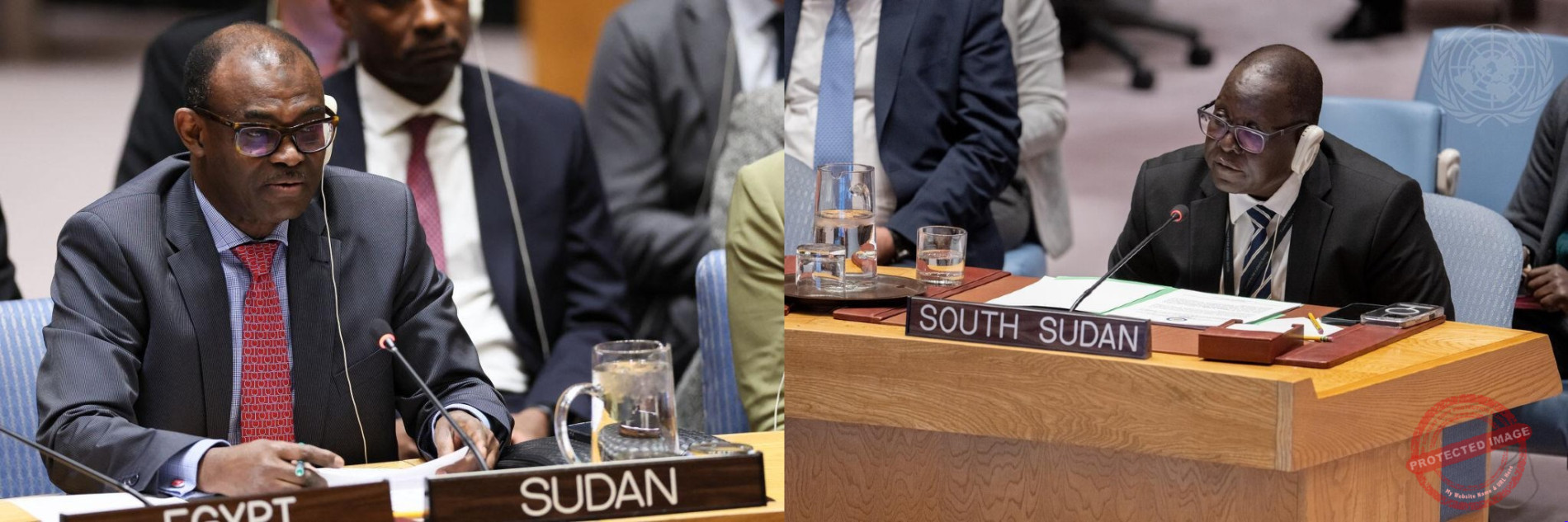
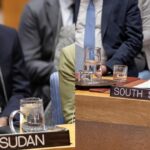
South Sudan and Sudan have disagreed at the United Nations Security Council over Juba’s plan to include the disputed Abyei region in its December 2026 general elections.
Sudan’s representative to the UN, Al-Harith Idriss Al-Harith Mohamed, said the move violated agreements between the two countries and could undermine efforts to resolve Abyei’s final status.
He said Sudan remained committed to advancing the political process on Abyei but rejected South Sudan’s decision to include the territory in its electoral constituencies.
South Sudan defended its position, saying the electoral question must be considered in the context of Abyei’s unresolved final status and the rights of its Ngok Dinka population.
South Sudan’s representative, Sabino Edward Nyawella Amaikwey, told the Security Council that the interests of the nine Ngok chiefdoms could not be ignored.
“However, we wish to reiterate that these questions must be approached within the context of the unresolved final status of Abyei Area. Until that status is determined through the agreed process, the rights and interests of the Ngok Chiefdoms cannot be disregarded,” Amaikwey said.
The dispute comes as South Sudan prepares to hold its first general elections since independence in December 2011, with the vote scheduled for December 22, 2026.
In a report covering developments between April 16 and October 1, UN Secretary-General António Guterres warned that including Abyei in South Sudan’s electoral districts could increase political tensions.
“The stated intention of the Government of South Sudan to include Abyei in its electoral districts for the December 2026 elections, which the Government of the Sudan considers contrary to signed agreements, is likely to significantly increase political tensions as the elections approach,” Guterres said.
Abyei’s final status remains unresolved despite a 2005 peace agreement that provided for a referendum on whether the territory should become part of Sudan or South Sudan. The vote has not taken place because the two governments have failed to agree on voter eligibility.
The Security Council also discussed the presence of South Sudan People’s Defence Forces (SSPDF) in the southern part of Abyei and Rapid Support Forces (RSF) elements in the north.
Sudan raised concerns over the presence of both forces and criticised the RSF’s appointment of a representative to the Abyei Joint Oversight Committee, saying the move had no legal basis.
South Sudan, meanwhile, defended the presence of its forces south of the River Kiir, arguing that their deployment had helped stabilise the area and protect civilians.
Amaikwey called for greater geographical precision in reporting on the deployment of South Sudanese forces.
“We believe that greater geographical precision is necessary in reporting these matters,” he said, adding that the limited presence of SSPDF personnel south of the river had contributed to stabilising the situation and protecting civilians.
The meeting also addressed the October 19 drone attack on Amiet Common Market, which killed civilians and damaged economic infrastructure.
The United States representative, Jeff Bartos, condemned the attack and called for a full, transparent and prompt investigation.
He said the incident demonstrated the failure of Sudan and South Sudan to protect civilians in Abyei and called for accountability.
Bartos also urged the two countries to withdraw unauthorised forces, establish an Abyei Police Service and resume negotiations on the territory’s final status.
Meanwhile, UN officials reported a 32 per cent decline in security incidents in Abyei compared with the same period in 2025, although they said the security situation remained fragile.
Security Council members expressed support for the continued deployment of the United Nations Interim Security Force for Abyei (UNISFA), which is mandated to help maintain security in the disputed territory.