





H Brothers probe: Public challenges government findings, demands answers over damaged food products
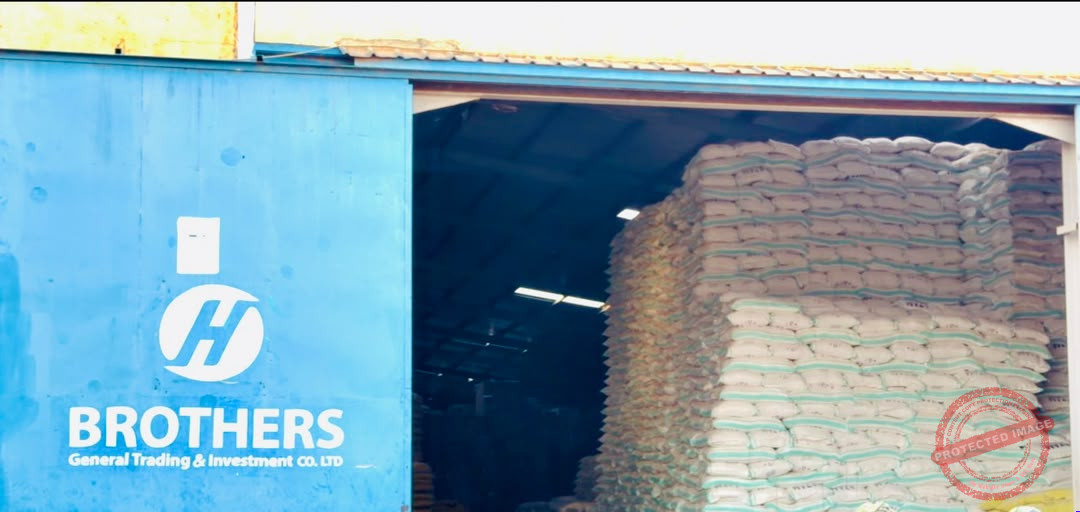
The government investigation into alleged expired food products at H Brothers General Trading and Investment Company has come under growing public scrutiny, with South Sudanese questioning whether authorities have fully addressed food safety concerns, alleged repackaging and regulatory failures surrounding the controversial consignment.
The concerns follow the committee’s November 21 findings that the products were damaged but not expired. Although the goods have since been dumped and burned, citizens are demanding the publication of laboratory reports, clarification of the specific violations established and accountability from the company and government institutions responsible for protecting consumers.
Presenting the findings, Garang Mayor Nyariel, a committee member and Quality Manager at the South Sudan National Bureau of Standards, said samples collected from the warehouses were examined by the national laboratory and a regional partner laboratory.
He said both laboratories produced consistent results, finding no expired products among the samples tested.
Nyariel also said the tests did not establish any immediate public health risk, although several products were found to be non-conforming with required standards.
However, the findings have not convinced some members of the public, who argue that whether the products were expired or damaged, their presence in commercial storage facilities raises serious questions about food safety and regulatory enforcement.
Ngong Akech questioned the committee’s classification of the products, arguing that damaged food items could also pose contamination risks.
He questioned why the products remained in the company’s warehouses if they were not intended for sale or consumption.
Another concerned citizen, Isaac MwAfrika, argued that the distinction between expired and damaged products should not overshadow the need to protect consumers.
In a lengthy public statement, Triple A De King said the findings appeared to shift public attention from the original allegations of expired products to the explanation that the goods were damaged.
He questioned why the products had remained in the warehouses and why they were not withdrawn or destroyed before authorities intervened.
He also called on the government to strengthen local agricultural production and reduce the country’s dependence on imported food.
Meanwhile, Mohamed G Alan questioned whether the investigation committee had the authority to order the reopening of the warehouses and the resumption of sales.
He also demanded accountability over allegations that spoiled products had been repackaged, even where the goods had not reached their expiry dates.
Stephen Omiri, a certified public accountant, said the committee’s findings lacked sufficient detail, particularly regarding the condition of the different categories of goods.
He questioned how an assortment of products, including sugar, cooking oil, wheat flour, biscuits and other consumables, could be broadly classified as damaged without detailed explanations of the specific defects identified in each category.
Omiri called for a more comprehensive report to enable the public to understand the basis of the committee’s conclusions.
Government announces penalties
Despite the finding that the sampled products had not expired, Minister of Trade and Industry Dr. Labanya Margret Mathya announced several penalties against the company.
The measures include the destruction of the damaged products, refurbishment of the company’s storage facilities and improvements to the welfare and living conditions of South Sudanese employees.
The committee subsequently supervised the destruction of the goods at the Nesitu dumping site along the Juba-Nimule Road.
The destroyed consignment included 2,115 bags of wheat flour, 20 bags of sugar, 35 jerricans of cooking oil, three bags of rice and three bags of powdered juice.
However, questions remain over the specific regulatory violations committed by the company, the legal basis for the penalties and whether any individuals or officials will face further administrative or legal consequences.
Questions over the investigation
The controversy comes after Juba County authorities announced the arrest of eight H Brothers employees in October over allegations that they were transferring expired maize flour into new sacks for resale.
The company’s storage facilities were subsequently closed.
On October 26, Central Equatoria State Governor Augustino Jadallah Wani directed a swift investigation after an inspection reportedly discovered large quantities of food products, including flour, sugar, biscuits, cooking oil and powdered juice, which were alleged to have expired and been repackaged with altered expiry dates.
H Brothers management disputed the allegations, maintaining that the products had not expired but could have been damaged by heat during storage.
The Standards Bureau later clarified that it had not certified the company to repackage expired goods.
The November 21 findings have therefore raised further questions about the relationship between the initial inspection findings, the allegations that prompted the investigation and the subsequent laboratory conclusions.
The absence of the Central Equatoria State Governor and the Juba County Caretaker Commissioner during Saturday’s presentation also attracted attention.
Eye Radio reported that a source close to Caretaker Commissioner Moulana Kalisto Lado said the commissioner had not been informed by the Ministry of Trade and Industry about the presentation.
The committee, however, said the state government was represented by two officials who participated in the investigation.
Demand for transparency and accountability
The public debate has also been fueled by concerns over the limited opportunity journalists were given to question the committee during Saturday’s press conference.
Reporters were reportedly given only one round of questions, limiting opportunities to seek clarification on several important aspects of the findings.
For a matter involving public health, consumer protection and confidence in government institutions, the public deserves more than a declaration that the products were damaged rather than expired.
The committee and relevant authorities should make the laboratory reports publicly accessible and explain the testing methods, the number of samples examined, the specific products tested and the standards used to determine whether the goods were safe for consumption.
They should also clarify whether the findings covered the entire consignment or only selected samples from the warehouses.
More importantly, authorities need to explain why the products were stored in the condition in which they were discovered, whether repackaging occurred, who authorized or supervised the handling of the goods and what action will be taken against anyone found to have violated food safety regulations.
The Ministry of Trade and Industry and the National Bureau of Standards also face questions about their previous inspections and the effectiveness of their monitoring systems.
Ultimately, the issue is not simply whether the products had passed their expiry dates. It is whether food that fails to meet safety and quality standards was allowed to remain in storage, whether consumers were adequately protected and whether that responsible will be held accountable.
South Sudanese consumers are entitled to safe food, transparent investigations and effective enforcement of the country’s trade and food safety regulations.