



UN climate talks end without major deal after divisions over fossil fuels and funding
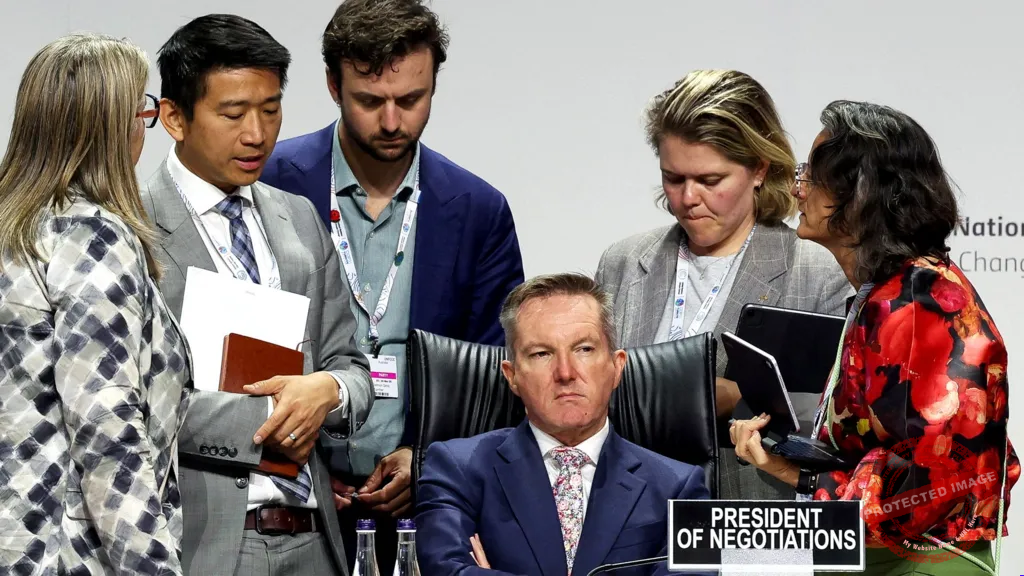
The longest-ever United Nations climate conference has ended without a major agreement, following disagreements over fossil fuels and financial support for developing countries.
The COP31 negotiations, held in Antalya, Türkiye, continued beyond their scheduled Friday deadline, with delegates extending discussions into Sunday in an attempt to reach consensus.
However, the final agreement failed to mention fossil fuels directly, prompting objections from the European Union, Pacific island nations and other countries.
Fossil fuels, including coal, oil and gas, are the main contributors to global warming.
Developing countries also criticised the outcome, saying it lacked clear financial commitments from wealthier nations to help them adapt to rising temperatures, droughts and other climate-related disasters.
UN Secretary-General Antonio Guterres expressed disappointment over the failure, accusing powerful fossil fuel interests of obstructing efforts to address climate change.
Despite the absence of a major agreement, delegates made progress on a proposed mechanism to support workers and communities affected by the transition to cleaner energy.
The talks also saw more than 80 countries support Türkiye’s target of increasing electricity’s share of global energy consumption to 35 per cent by 2035.
The outcome has renewed questions about the effectiveness of the UN climate negotiation process, which relies on consensus among participating countries.
The next climate conference, COP32, is scheduled to take place in Ethiopia in November 2027.