Activist wants justice mechanisms leadership named on merit of moral integrity
An activist is calling for transparency in establishing the leadership of the Commission for Truth, Reconciliation, and Healing and the Compensation and Reparation Authority to ensure that only individuals of moral integrity are chosen for the critical task.
The national parliament passed the two crucial bills on the two mechanisms in September 3, paving the way for the long-awaited establishment of their leadership.
According to the 2018 peace agreement, the transitional justice institutions are critical for spearheading efforts to heal the wounds of past conflicts, promote peace, and foster national reconciliation.
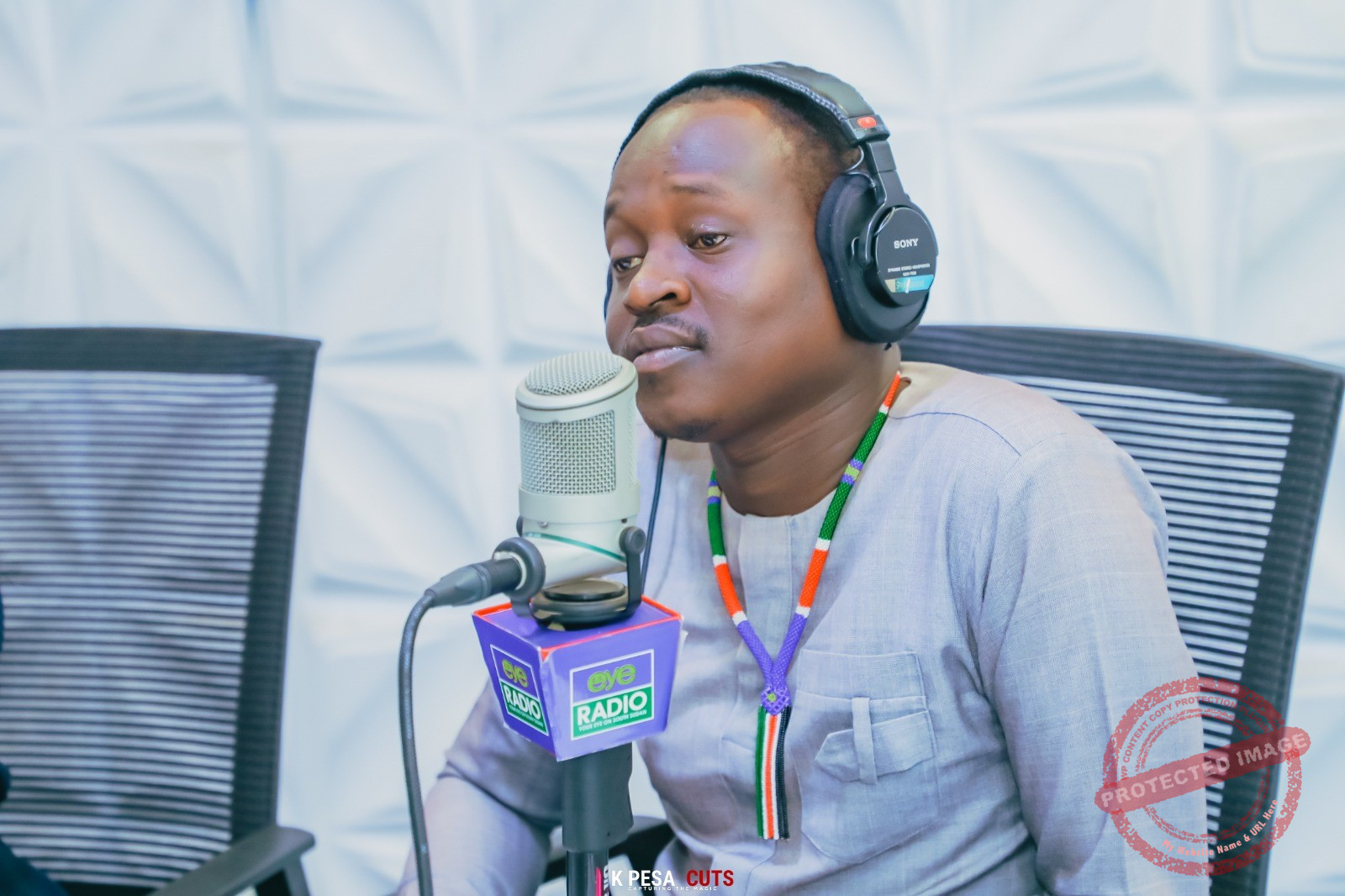
Malual Bol Kiir, the Founding Director of African Youth Action Network, said South Sudanese communities should be consulted in the leadership selection process so that individuals with high moral value are given a chance to lead the critical institutions.
Mr. Malual further stated, in an interview with Eye Radio, that capacity building for the institutions should be highly considered.
“One of the most important things to do in the process of appointing the commissioners and members of the two commissions is community engagement,” he said.
“It is very important that the civil society, religious leaders, youth organizations, and all stakeholders engage with the community to identify some of the trusted individuals in the community with high integrity and morals. The process must be transparent to see that the people involved are people that will respect it.”
“Some of the people that are to be involved in this process should be prepared and trained to make sure they uphold the rights of individuals and justices and promote healing and reconciliation.”
The R-ARCSS also outlines the formation of the Hybrid Court for South Sudan (HCSS) by the African Union Commission to investigate and, where necessary, prosecute individuals bearing responsibility for violations of international law and applicable South Sudanese law committed from 15th December 2013 through the end of the
Transitional Period.
The HCSS shall have jurisdiction with respect to the crimes of genocide, crimes against humanity, war crimes, other serious crimes under international law, and relevant South Sudanese laws against sexual and gender-based violence.
The tribunal shall also be independent and distinct from the national judiciary in its operations and shall carry out its own investigations.
Following their establishment, the CTRH, HCSS, and CRA shall independently promote the common objective of facilitating truth, reconciliation, healing, compensation, and reparation in South Sudan.
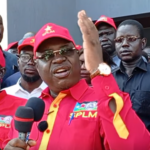
Nyabany Anuer, a member of the SPLM Youth League, agreed with the activist, adding that communities should be the ones to nominate individuals to head key institutions.
“The people needed for these commissions are people with high moral character and integrity and people willing to work for the commissions.”
“Therefore, there should be a committee formed, and also there should be dialogue within communities so that they look for people who have the qualities and qualifications so that they work for the CTRH.”
For his part, Chairperson of Committee for Political Mobilizations, SPLM-IO Youth League, Michael James, says the appointment of those to lead the commissions should not be politicized.
“I agree that we play a role in appointing an individual who will serve without entering a political organization because let us not tie politics with the need of serving the country with a political party.”