
AMDISS head calls for strong media-govt relations
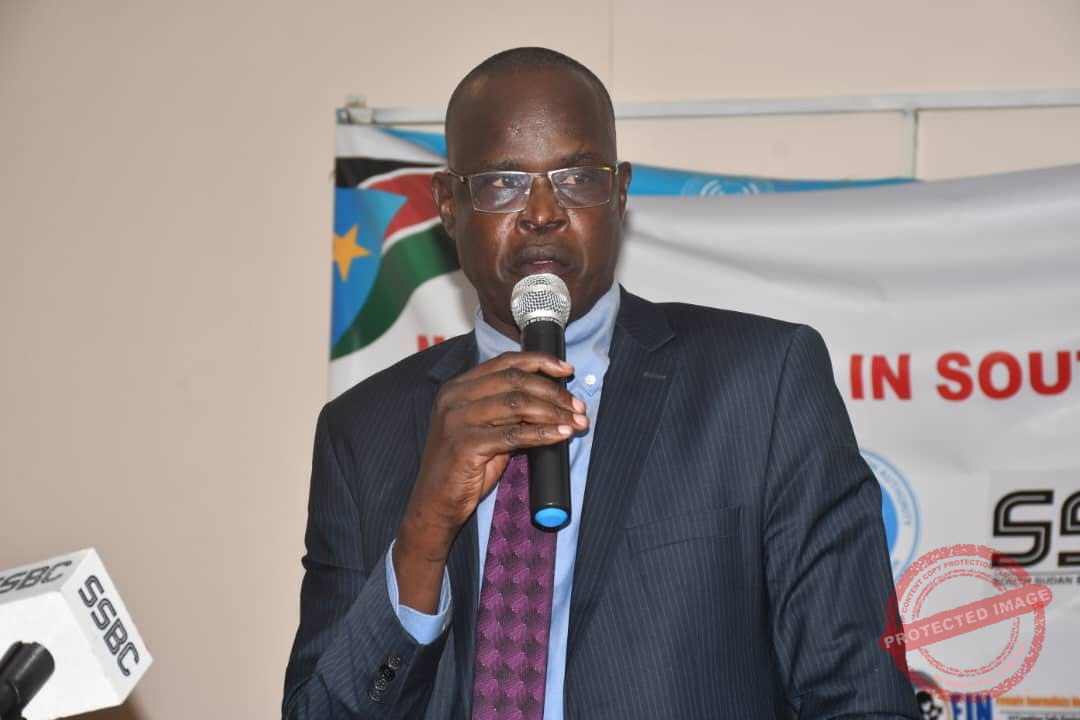
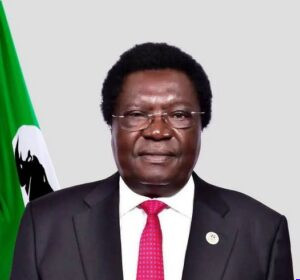
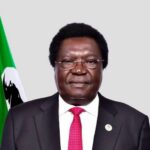
The Chairperson of the Association of Media Development in South Sudan has called for improved relations between media and government institutions to boost access to information in the country.
Koang Pal Chang stated this in Juba [today] Wednesday, May 3, 2023, as South Sudan joined the rest of the world to commemorate World Press Freedom Day.
” We need to do more and improve the media environment in South Sudan. Journalists need to be protected, press freedom needs to be respected. Press freedom and freedom of expression are human rights,” he said.
Pal Chang says this will help address media-related threats including censorship which he says are hindering media freedom in the country.
“The politicians don’t want to be questioned, they don’t want to be held accountable, that’s why we have this problem,
“And once the media stops reporting about these issues, then the role of the media as a public watchdog will be eroded, and these rights must be protected,” he added
He also called on media practitioners to stick to their code of ethics to deliver accurate, balanced, and credible information to the public.
Meanwhile, he said, “We also need to work with media authority and other government agencies so that we address this issue of security personnel who take the laws into their own hands to allow Journalists to do their work freely”.
The AMDISS boss also called on the government to quickly resolve the sanctions on the UN run-Radio Miraya.
He further urged stakeholders of Juba Monitor Newspaper to reach a consensus and end the dispute over its ownership.
For his part, Elijah Alier, the Managing Director of Media Authority says the media landscape in the country has significantly improved in recent times.
” The media landscape in South Sudan has significantly improved compared to the previous years 2013 to 2017 as a result of the establishment of the Media Authority,” he said.
Alier expressed the commitment of the media regulatory body to promote freedom of expression in the country.
“Media Authority remains committed to creating a conducive media regulatory environment that promotes freedom of expression and media as a fundamental human right,” he added.
There are 252 media entities licensed in the country including 103 public, commercial, and community radio stations.
There are 14 television broadcasting channels, 49 print media, 6 international satellite broadcasters, 9 advocacy groups, and 71 other media enterprises.
However, out of that number, only 123 media entities are currently active with valid operational licenses.