Analyst casts doubt on revival of 2018 peace deal
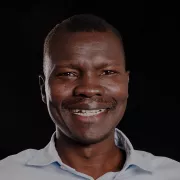
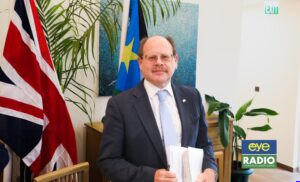
A senior analyst with the International Crisis Group has expressed doubt the 2018 peace deal will get back on track, citing what he terms as unilateral decisions by the government and a lack of inclusive political dialogue.
Daniel Akech Thiong, an expert on South Sudan’s conflict dynamics, said the peace agreement — formally known as the Revitalized Agreement on the Resolution of the Conflict in South Sudan (R-ARCSS) — is suffering major setbacks, with only 10 percent of its provisions implemented before the latest wave of political tensions.
“The trend we are seeing is not encouraging,” said Akech.
“If the government continues to act unilaterally, without consensus from the parties that signed the agreement and formed the unity government, it’s not looking very good.”
He specifically criticized a series of recent presidential decrees that removed key officials, including members of parliament from the Sudan People’s Liberation Movement-In Opposition (SPLM-IO).
Akech warned that such actions deepen divisions within the coalition government and threaten the core principles of the peace accord.
“This is just part of what we have been seeing — one side deciding to fire, dismiss, and appoint at will,” he said. “This doesn’t seem like a path that will get the parties back to implementing the agreement.”
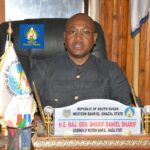
He cited the dismissal of Western Equatoria Governor Alfred Futuyo in February as a turning point that signaled a troubling trend. Since then, several SPLM-IO members have been removed from government positions.
According to Akech, the peace deal’s shortcomings stem not only from lack of implementation but also from its elite-driven framework, which he says excludes ordinary South Sudanese.
“There is a need to transition the country out of these arrangements that heavily favor the elites,” he said. “There is not much grassroots involvement. The leadership must create space for broader participation so that citizens can discuss the country’s future.”
He recommended establishing a national forum that includes civil society, grassroots movements, and other stakeholders — not just political elites — to build a more inclusive and sustainable path forward.
“What I would recommend is a broader forum that involves civil society and others,” Akech said. “South Sudan is bigger than the warring parties that signed the agreement.”
The 2018 R-ARCSS was designed to end years of civil war, form a unified transitional government, and pave the way for democratic elections.
However, its slow implementation, ongoing political disputes, and repeated violations continue to cast doubt on South Sudan’s stability and long-term peace.