
CIGPJ: South Sudanese women declare ‘No Regression’ amid declining political representation
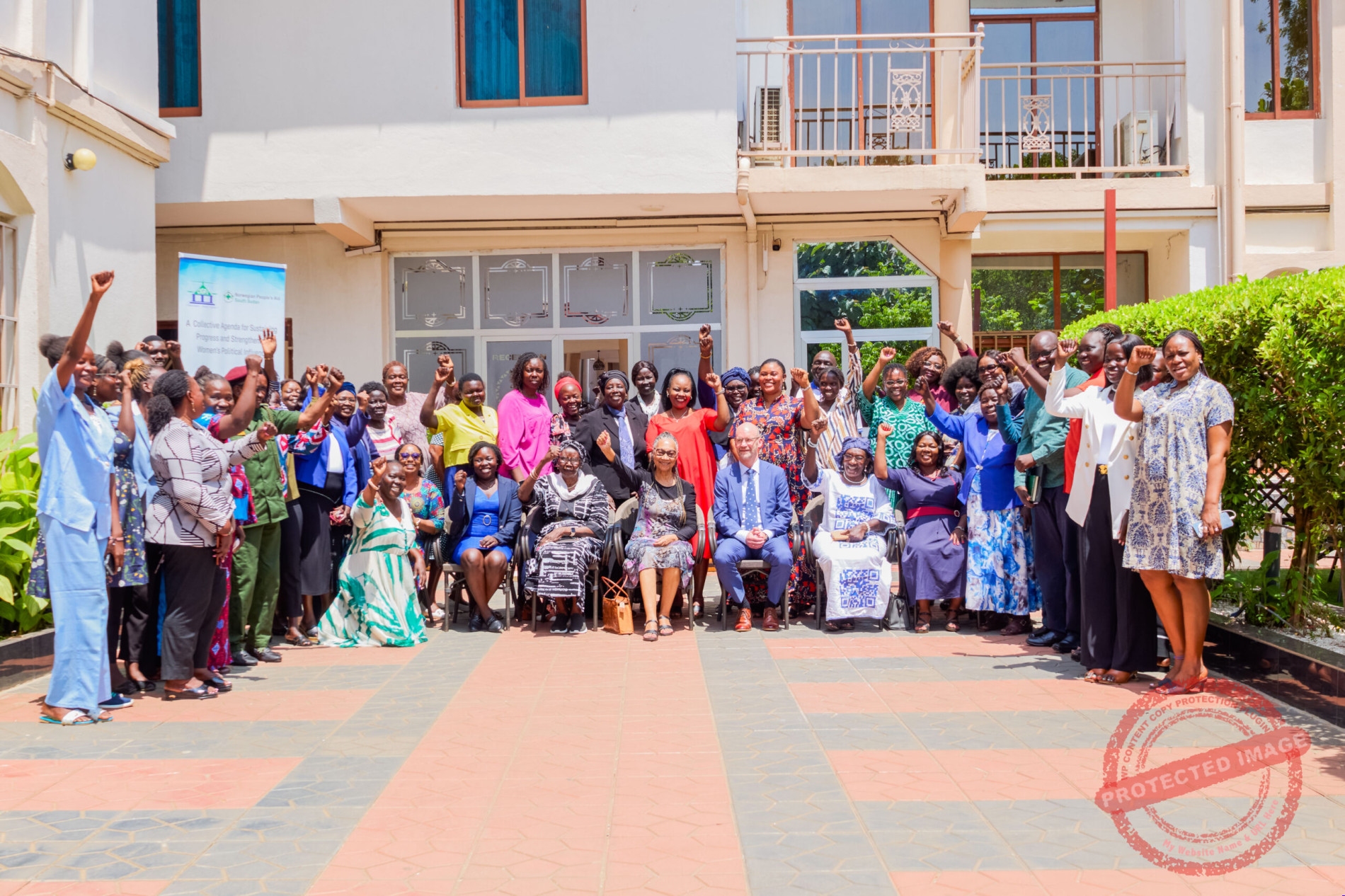
The Center for Inclusive Governance, Peace and Justice (CIGPJ) has called for urgent action to protect women’s political gains and strengthen their influence in South Sudan’s political transition, following a two-day women convention in Juba.
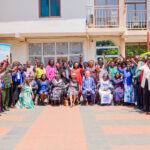
The convention, held under the theme “No Regression: Protecting Women’s Gains and Strengthening Women’s Influence in South Sudan’s Political Transition,” brought together more than 50 women political leaders, former and current public officials, civil society representatives, youth groups, academics, faith-based organizations and development partners.
The meeting, supported by Norwegian People’s Aid (NPA) and the Swiss Mission, focused on the declining representation of women in leadership and the need to enforce the 35 percent affirmative action quota enshrined in the 2018 Revitalized Agreement on the Resolution of the Conflict in South Sudan (R-ARCSS).
According to the organizers, women’s representation in senior leadership has declined from 26 to 15 percent at the national level, while representation across national and state levels has fallen from 31 to 22 percent.
Speaking during the convention, CIGPJ Executive Director Jackline Nasiwa said the decline was threatening gains women had made as the country prepares for democratic transition.
“As we transition to democracy, the women’s gains keep falling and leaking. And yet we play an important role, and we have made very big gains that we don’t want to lose in this transition,” Nasiwa said.
She called for stronger implementation of gender-sensitive laws, warning that legal protections would have little impact if they remained on paper.
“We will need to work to ensure that these laws are not just passed and they remain on paper, but that they reflect the true will of the women of South Sudan,” she added.
The participants identified structural barriers, cultural stereotypes, insecurity, limited civic space and inadequate legal mechanisms to hold political parties accountable for meeting the 35 percent quota as some of the challenges undermining women’s participation.
They also expressed concern over the potential impact of electoral violence and continued displacement on women and children, as well as the absence of gender advisers in key decision-making offices at national and state levels.
Michael Gorjin, a representative of Norwegian People’s Aid, urged women to actively pursue political positions, saying the affirmative action quota would require sustained advocacy.
“The 35 per cent affirmative action will not come on a silver platter. It is you to fight for it. If you hear about elections, please take up those seats,” Gorjin said.
He also reaffirmed the importance of partnerships with civil society organizations in advancing women’s rights and access to justice.
Eirik William, Deputy Head of Mission at the Norwegian Embassy, said political transitions should create opportunities for progress rather than reverse achievements in gender equality.
“Political transitions should be moments of progress, not regression,” William said, adding that women’s leadership and unity remained important in shaping South Sudan’s political future.
He pledged Norway’s continued support for women’s participation and gender equality, while calling for existing commitments to be translated into meaningful action.
Dr. Pauline Riak, Deputy Vice Chancellor for Administration at Rumbek University of Science and Technology, urged women to unite across political and social divisions to strengthen their collective influence.
“We are as weak as the weakest woman in our society,” Riak said, encouraging women to support one another regardless of political affiliation.
The convention recommended that President Salva Kiir prioritize the passage of the Anti-Gender-Based Violence Bill, Women’s Empowerment Bill, Women’s Enterprise Fund Bill and Family Law Bill.
It also called on the Political Parties Council to develop gender policies for political parties, and urged the appointment of gender advisers in the Office of the President and caretaker state governments and administrative areas.
The participants further urged the National Elections Commission to establish a multi-stakeholder Women, Peace and Security situation room to monitor women’s concerns during elections, deploy trained women security officers to polling stations and establish gender desks at polling centers.
Other recommendations include allocating funds for women candidates, strengthening civic and voter education, creating conditions for displaced people and refugees to participate in elections, and empowering the South Sudan Women’s Union and other women-led organizations.
The participants concluded by condemning any regression in women’s participation in nation-building and reaffirming their commitment to protecting existing gains and securing greater influence in political decision-making.
“No Regression! Forward Ever! Backward Never!” the organizers declared.