
German Ambassador stresses transparency as key to good governance in South Sudan
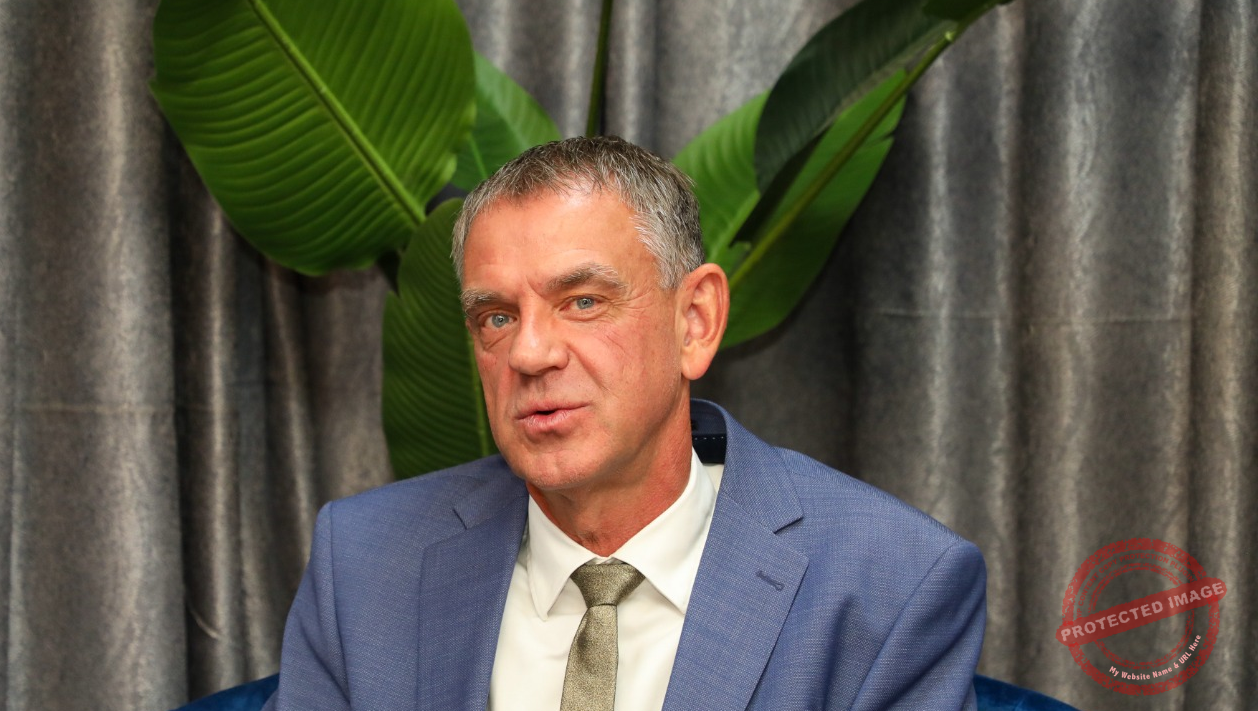
The German Ambassador to South Sudan has highlighted the critical role of transparency in promoting good governance within the country.
Ambassador Christian Sedat said this can be done through a single treasury account for accountability on natural resource revenues.
He also encouraged South Sudan to join the Extractive Industries Transparency Initiative.
The initiative is a Norwegian-based organization that seeks to establish a global standard for the good governance of oil, gas and mineral resources.
It seeks to address key governance issues in the extractive sectors
Diplomat Sedat reiterated his foreign minister – Annalena Baerbock’s call for increased transparency on the revenues of natural resources early this year when she visited South Sudan.
“In an observation on the aspect of transparency of revenue, my impression is that stronger consensus is building amongst politicians here in South Sudan that this is an important issue,” Amb Sedat told Eye Radio in an exclusive interview in Juba.
“I would like to highlight two concrete steps, how progress could be achieved in the sector. The first one is to establish a single treasury account,” he said.
“The second one is that South Sudan joins the Extractive Industries Transparency Initiative, which is called EITI and this initiative already 50 countries have joined, many from Africa, from the region also. This initiative provides standards for the transparency of revenue but it does more,” he stated.
Ambassador Sedat went on to commend the parliament for debating on the environmental impact of oil production in the country.
He said through the Extractive Industries Transparency Initiative, South Sudan can best operate the oil sector.
“If an international oil company leaves, then it can be the starting point for a debate on a very important question and intensified debate,” said Ambassador Sedat.
“We see at the moment that the questions of the environmental impact of oil companies, what obligation is there for an oil company to ensure that protection on the environmental impact of oil production, to have standards there,” he said.
“These questions are being debated at the moment here in parliament among politicians, also the question of the impact of oil production on the local population,” he stated.
“It is also a question which is being debated here in South Sudan and the initiative EITI provides expertise, it provides answers and lessons learnt for questions like these.”
By becoming an EITI member, countries commit to disclose information along the extractive industry value chain – from how extraction rights are awarded, to how revenues make their way through government and how they benefit the public.
In 2011, after South Sudan gained independence from the Khartoum region, President Salva Kiir pledged his Government would implement the initiative.