



Investing in sustainable peace: Advancing peace and security in South Sudan
As South Sudan open a new chapter, after dissolution of the Revitalized Transitional Government of National Unity (RTGoNU) by H.E. President, Salva Kiir Mayardit, and preparing for election in December 2026, investing in sustainable peace in South Sudan will require moving beyond elite political deals and embracing grassroots innovations, since political deals proven fruitless for sustainable peace.
Key strategies in investing in sustainable peace, may include, but not limited to; utilizing digital early-warning tools, supporting locally led agricultural enterprises, while investing in mega farms, institutionalizing conventional trauma-healing frames, and empowering women and -led cooperative microfinance networks, implementing national youth strategy on peace and security across the country.
In addition, people driven grassroots structures, such as community peace networks, local committees, social movements and faith-based groups, must lead to reconciliation to address communal resource-based conflict, including cattle raiding and land disputes.
Rethinking investment in sustainable peace: Investing in sustainable peace will also require blending economic development, grassroots reconciliation, and inclusive governance to transform post-conflict fragility into long-term stability. Furthermore, strategic interventions led by local and international partners, which focus on human capital, job creation, and empowering vulnerable groups to build resilient communities could boost sustainable peace.
For instance; funding technical and vocational training for youth and returnees to foster local economic independence; moving resources from elite political agreements to local dialogue, land dispute resolution, and cultural peace festivals; investing in agriculture, rural feeder roads, and job creation programs to stabilize conflict-affected regions, and; supporting women’s leadership, civic participation, and economic etc.
Investing in unlearning the culture of violent conflict for sustainable peace :During the transitional period, South Sudanese civil society and grassroots leaders have been mobilizing to make their visions of a just and sustainable peace in South Sudan known among government leaders.
These groups have been, and are still aiming to bring peace to South Sudan, not just through traditional conflict resolution mechanisms like negotiation, mediation, and dialogue, but through the application of collective nonviolent action that includes tactics like petitions, issuing press releases, marches, and street arts and music.
Therefore, investing synergizing nonviolent action and peacebuilding is crucial in South Sudan because top-down elite peace deals often fail to stop local violence or address root causes like poverty and power imbalances. Therefore, combining grassroots nonviolent pressure with inclusive dialogue empowers citizens to demand accountability and build sustainable, community-rooted sustainable peace.
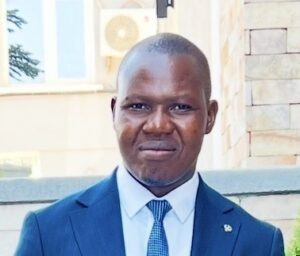
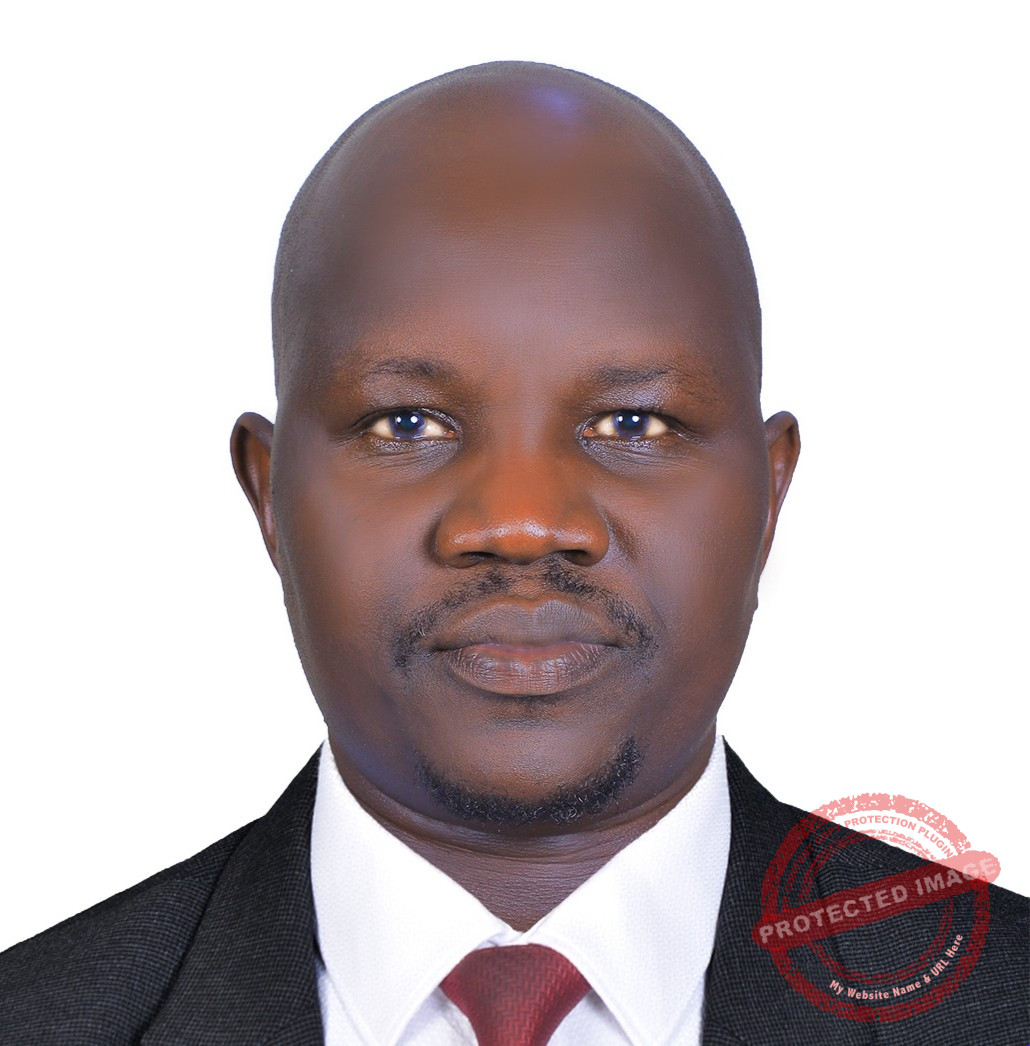
Michael Gorjin Kuol is a Governance, Peace and Security (GPS) Specialist. He has more than twenty (20) years of development programming experiences in his native South Sudan, with particular focus in governance, peacebuilding, community, civil society development, and engagement and strengthening of local government participatory planning and budgeting process. He Holds a Master of Science in Governance, Peace and Security Studies(GPS), from Africa Nazarene University, Kenya. He can be reached at: gorjin1979@gmail.com