


Norway urges South Sudan leaders to address political crisis as NPA marks 40 years
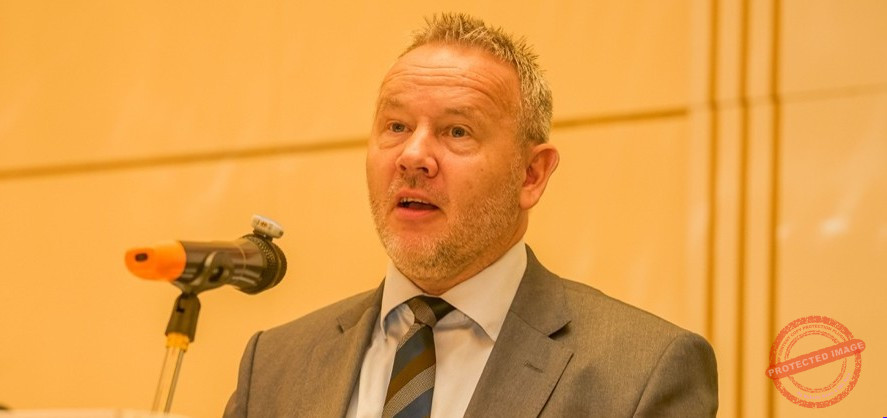
Norway has urged South Sudan’s political leaders to pursue meaningful dialogue, strengthen accountability and improve governance, warning that humanitarian assistance alone cannot resolve a crisis largely driven by political decisions and conflict.
Norwegian Ambassador to South Sudan, Roar Haugsdal, made the remarks as Norwegian People’s Aid (NPA) marked 40 years of operations in the country, reaffirming Norway’s commitment to supporting peace, development and humanitarian assistance.
Haugsdal praised NPA for standing alongside the people of South Sudan since 1986, describing the organisation’s four-decade presence as a symbol of trust, friendship and solidarity.
He said Norway was proud of NPA’s contribution, particularly its commitment to remaining alongside communities during some of the country’s most difficult periods.
The ambassador said the organisation had earned a strong reputation among South Sudanese people, with many recalling its continued presence even when other partners had withdrawn.
“Whenever anyone else leaves, the Norwegian people stay behind,” he said, describing the relationship as an expression of genuine friendship and loyalty.
NPA’s work has included humanitarian assistance, development, peace-building and support for local organisations, forming part of Norway’s broader engagement with South Sudan, including its support for the peace process that led to the 2005 Comprehensive Peace Agreement.
Haugsdal said the partnership had continued following South Sudan’s independence in 2011, with NPA playing an important role in supporting communities and strengthening locally led initiatives.
He particularly highlighted the organisation’s investment in South Sudanese civil society and community-based organisations, saying sustainable development depended on empowering local actors to influence decisions and shape their own future.
Across the country, local organisations are working with communities on issues including equal rights, access to housing, land and property, and equitable management of resources.
However, the ambassador warned that South Sudan’s continuing humanitarian crisis could not be addressed through emergency assistance alone.
While acknowledging the importance of humanitarian support amid food insecurity, displacement, conflict and climate-related shocks, he said the crisis was largely the result of human actions and political choices.
“Humanitarian assistance may alleviate immediate suffering, but it will not resolve the crisis rooted in political choices, conflict and lack of inclusive dialogue,” Haugsdal said.
He urged all parties to engage in meaningful dialogue and pursue peaceful political solutions, stressing that long-term resilience required good governance, stability and trusted public institutions.
The ambassador also called for greater attention to public service delivery, saying efforts to build a stable country must include ensuring that nurses, doctors, teachers and other civil servants receive their salaries.
He said South Sudan’s future must be shaped by its own people through accountable leadership, inclusive governance, respect for the rule of law and meaningful civic participation.
“South Sudanese-led solutions, accountability and inclusive governance, respect for the rule of law, and meaningful civic participation are essential to lasting peace, stability, freedom and prosperity,” he said.
Norway, he added, would continue supporting genuine peace efforts and responsible management of South Sudan’s natural resources for the benefit of its citizens.
Haugsdal concluded by congratulating NPA’s leadership, staff, implementing partners and communities for sustaining the organisation’s work over four decades.
He said the anniversary was not simply a celebration of the organisation’s longevity but recognition of the people and communities who had contributed to its achievements.
The 40th anniversary comes as South Sudan continues to face significant humanitarian, political and economic challenges, placing renewed emphasis on the need for stronger national institutions, inclusive dialogue and sustainable development.