
South Sudanese among refugees stranded in Nairobi after Germany halts resettlement
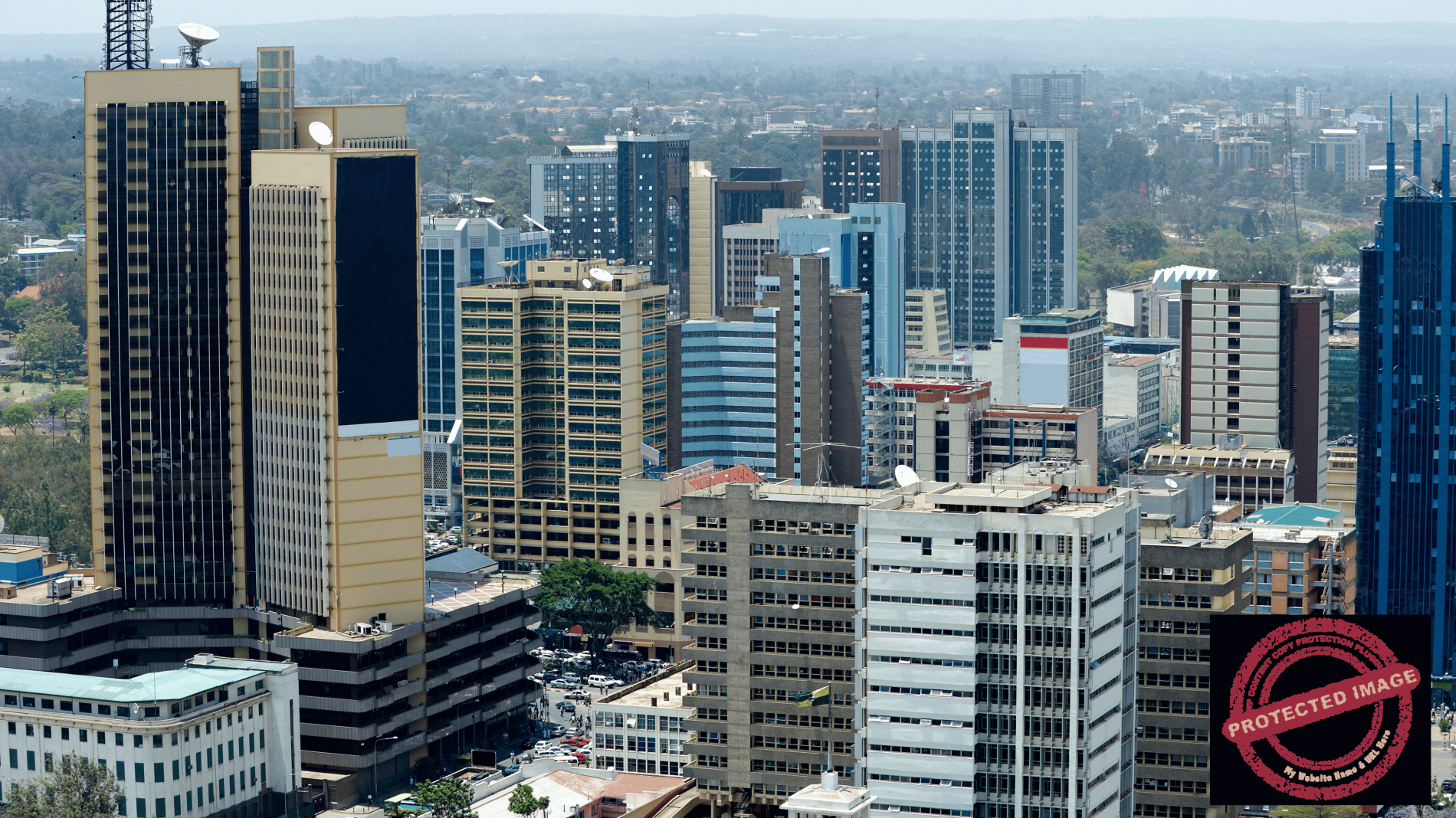
Several South Sudanese from Kakuma refugee camp in Kenya are among 183 refugees left stranded in Nairobi after Germany abruptly paused its refugee resettlement program, according to Kenyan media reports.
The group, comprising individuals from more than five nationalities, had been awaiting resettlement to Germany under a humanitarian program.
Many had already received visas and travel documents and had spent three weeks in Nairobi preparing for departure. However, their plans were derailed after the German government suspended all new resettlement submissions, citing internal electoral processes.
The decision has sparked frustration and despair among the affected refugees, many of whom had sold their belongings and left their homes in Kakuma camp in anticipation of a new life in Europe.
“We were told that there is an election going on in Germany, so our flights were suspended,” said Clement Makonde, a refugee from South Sudan.
“Many are afraid of going back because they have faced threats. Our children have dropped out of school, and we have lost everything. We are asking for help.”
The UN Refugee Agency (UNHCR) confirmed that Germany advised it to pause new submissions.
UNHCR is advocating for a resumption of the program and has urged refugees not to sell property or leave employment based on unofficial travel information.
The agency says it is assisting affected individuals with returning to their shelters, replacing lost identification documents, and providing basic household supplies.
Despite the support, the return to Kakuma is being met with resistance.
“None of them wants to go back to Kakuma,” said lawyer and humanitarian advocate Fatuma Adan. “Once you have been issued a visa and travel documents, that becomes a way out. Taking them back to the camps against their will is unacceptable. UNHCR must intervene.”
Originally established in 1992 to shelter displaced South Sudanese and others fleeing conflicts in the Horn of Africa, Kakuma has grown into one of the world’s largest refugee camps, with more than 303,000 residents as of March 2025. Conditions in the camp have worsened amid declining donor support and overcrowding.
The sudden policy change by Germany has disrupted lives and raised concerns about the handling of vulnerable populations awaiting resettlement.
Many of the affected refugees are now calling on the German government to reconsider its decision and provide clarity on the way forward.