


The distressing impact of child abduction on families
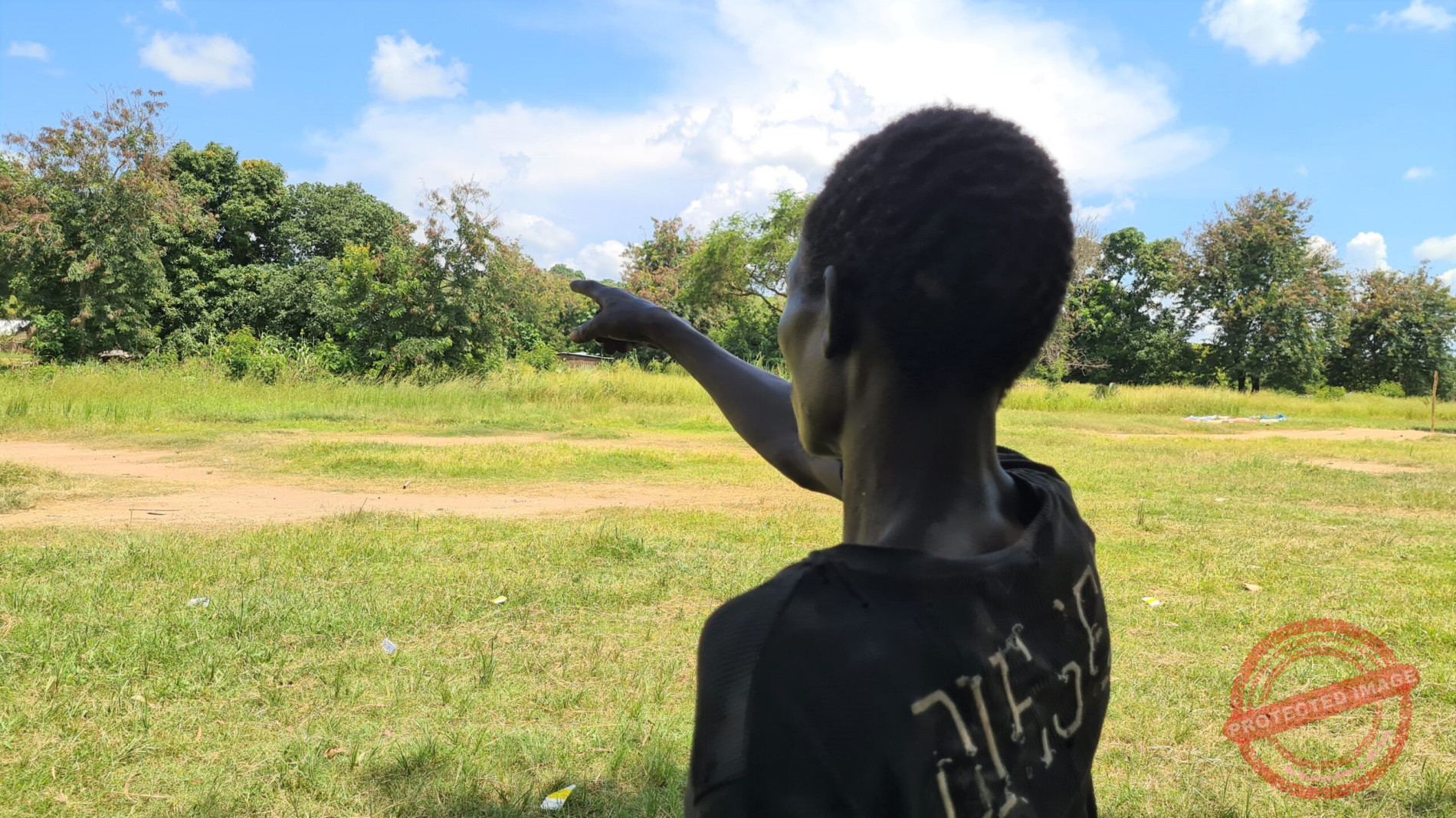
Edward Wani, a farmer in Lirya Payam of Juba County, recalls a happy humble life before his family was torn apart when gunmen broke into his home, abducted his two children and left his wife unconscious with multiple head injuries. A year later after the incident, Wani has neither seen nor heard about the missing children.
The incident is just one of the recurring cases of abduction that have led to the disappearance of hundreds of children and left communities helpless and counting on government promises to rescue the children still continues.
The two children; Sunday Edward Wani and Okayi Edward Wani both aged six years from different mother, were taken hostage at midday on 3rd October 2023 in Langabu Boma village of Lirya Payam, about 90 kilometers southeast of Juba City, in Central Equatoria State.
Wani, the father of the abducted children, narrates that he and friends were busy making charcoal in the neighborhood when he heard gunshots near his house.
The abductors had come from northeast of Langabu Boma in the afternoon, where they first fired one bullet into the air, then two other rounds before walking away with the children.
Minutes later, some people came to inform him that two of his boy and girl had been abducted. Upon returning home, he discovered that his wife had been attacked and injured.
Despite a year without hearing about the whereabouts of his two children Wani has not given up and hopes to reunite with them one day.
The aggrieved father, who makes a living on farming and charcoal making, urges the state government to end child abductions by all necessary means.
“If the government gets the abductors, they should be asked why they take other people’s children. I don’t know who these people are. Let the government stop them from abducting our children, because we should not be giving birth and abductors take the children,” he said in an interview with Eye Radio.
Cases of child abduction are common in South Sudan, with the majority of cases reported in the Central and Eastern Equatoria States, the Greater Pibor Administrative Area, Jonglei, and Upper Nile State.
A 2017, research by a local government administrator revealed in a report that cases of child abduction had become rampant in the Lirya, Lokiliri, and Lowoi Payams of Juba County between 1989 and 2017.
The same research noted that 36 people were killed by abductors in the process of kidnaping children in the same period.
– Hopes for safe children’s return –
Despite the trauma and helplessness faced by Wani and his family after the children’s abduction, he hopes that they are safe and that they will one day be reunited.
“Having two children abducted in one day is a heartbreaking issue that is similar to death,” he said.
Wani suspects that his children were abducted by armed youth from neighboring Greater Pibor Administrative Area.
Meanwhile, Hilary Juma, the Deputy Director of Lirya Payam in Juba County, is calling for psychosocial support for families whose children have been abducted.
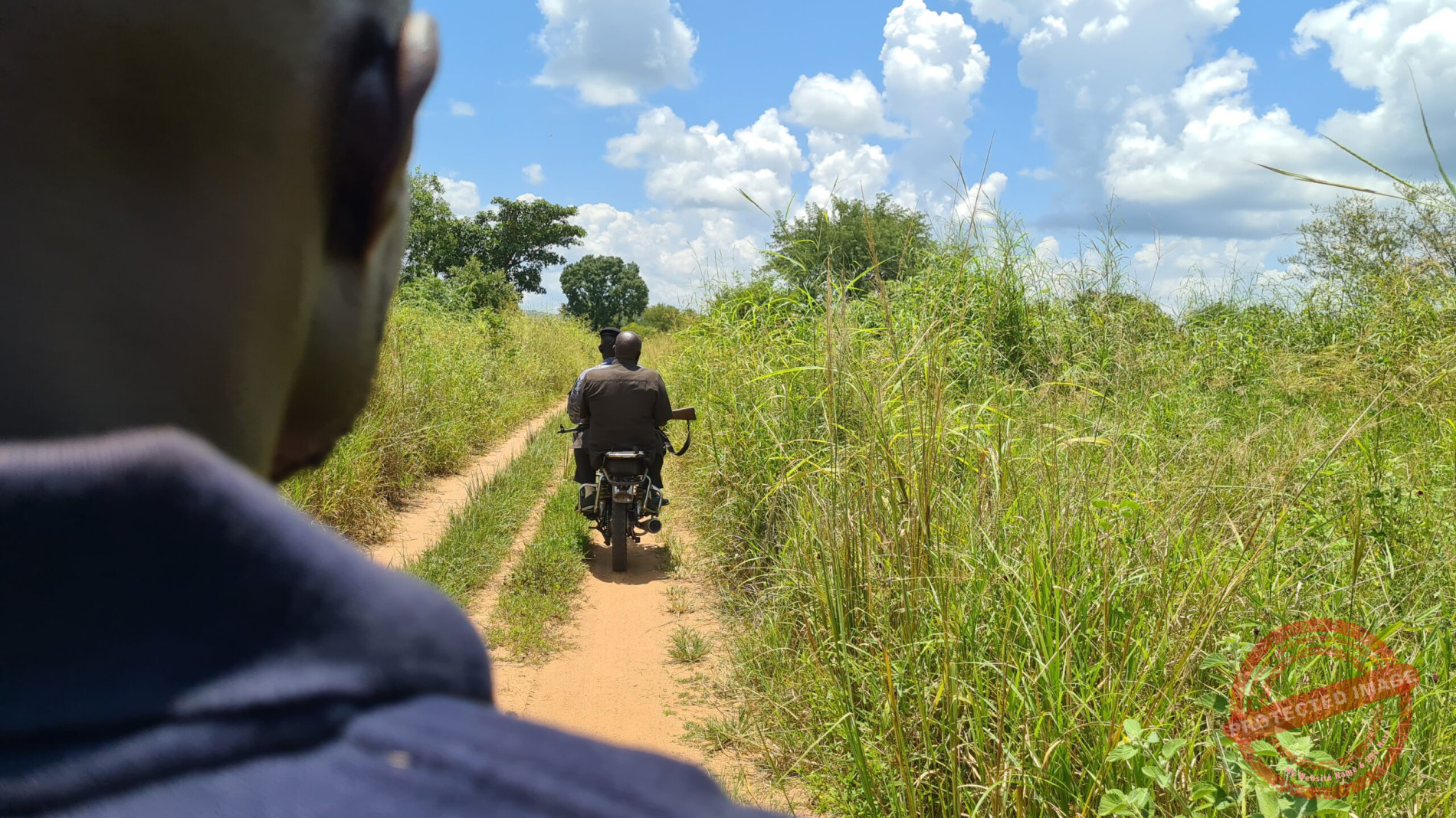
Lirya local government officer Hilary Juma, carried by a policeman on a motorbike while passing through a child abduction hotspot along the Lirya Payam center and Langabu boma, Juba County. Sept. 28, 2024. (Photo: Charles Wote/Eye Radio).
According to Juma, Wani’s family is not the only one in Lirya Payam battling trauma after the abduction of their children.
He says the local government needs support from the state and national governments, as well as civil society organizations and other well-wishers, to extend counseling services to the affected families.
“We need these parents to be counselled because if counselling is not given to them really, they felt disarray and we need motivations to be given to them so that they also recover their normal life because if you are missing a child, it is really very bad,” Juma said.
On the other hand, Juma encourages the government to deploy the police force to Langabu Boma to curb child abduction and other related crimes.
“I am begging the county authority, the state authority, the national government, if possible, to deploy police in this area to safeguard the community,” he told Eye Radio.
– Mystery behind child abductions –
Kizito Ladu Philip, Executive Chief of Langabu Boma, reveals that abductors mainly target his area between June and December when the grass has grown taller, making it difficult for civilians to chase the abductors.
Langabu Boma in Lirya Payam is covered with rolling hills and green landscapes, scattered with traditional huts. The majority of its inhabitants depend on subsistence farming and charcoal burning to meet their daily needs.
“About four years ago, the abductors clashed here with the youth. Our youth shot one of them on leg, and he managed to escape and hide in the swam,” Chief Kizito recalls the 2020 incident.
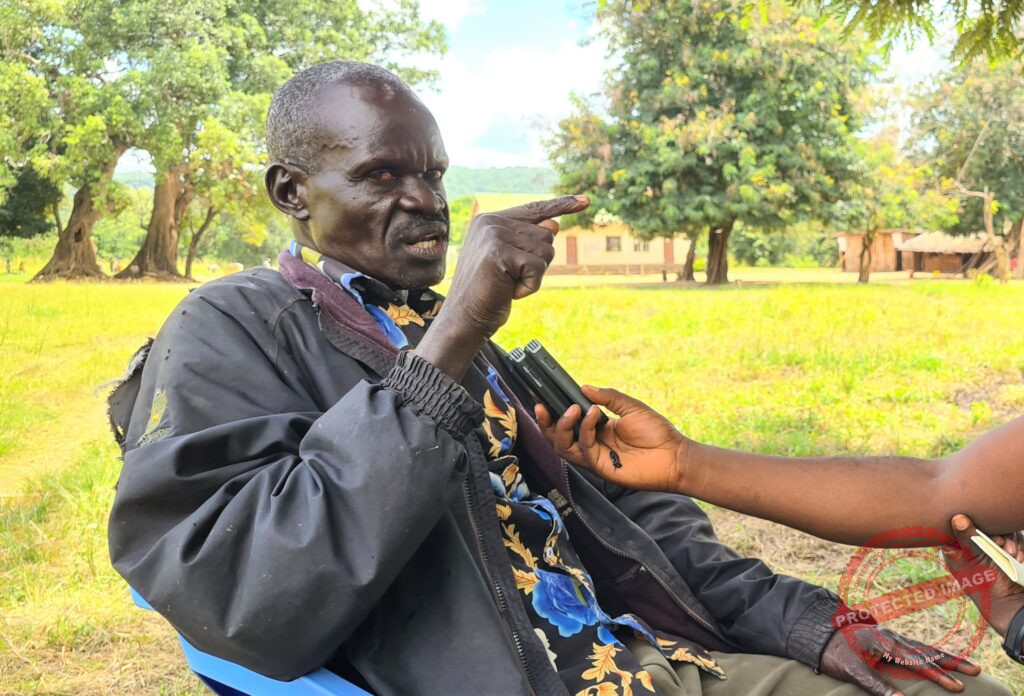
Chief Kizito adds that local residents later surrounded the swamp and lynched the unnamed middle-aged suspect.
He notes that the deceased’s scarrification (a traditional decoration), led them to conclude that the suspect came from the Greater Pibor Administrative Area.
According to Chief Kizito, the abductors use different tactics, including lurking around homes, waiting for the right moment to abduct children, as well as using violent assaults to scare parents into surrendering their children.
For many years, rampant child abduction has impacted communities in Eastern, Central Equatoria States, Jonglei State and GPAA, and most cases have escalated into deadly inter-communal conflicts.
William Chuol, the Minister of Gender, Child, and Social Welfare in Jonglei, explained in October 2024 that some of the state youth have been carrying out reprisal abductions in the GPAA without government’s knowledge.
“In Jonglei State, the youth are just carrying out revenge. They are not planning to abduct children, but when they are annoyed up with hearing that their children are being taken day and night, their people are being killed, and there are road ambushes, they mobilize themselves without any information from the government,” he said.
In October 2023, the former Governor of Central Equatoria, Emmanuel Adil Anthony, formed a five-member committee to engage with GPAA authorities for the safe rescue of children abducted in Juba County following rampant cases of child abductions in the state.
However, there was no immediate update on the outcome of the delegation’s visit.
– GPPA recovers 29 children in 2024 –
The government of Greater Pibor Administrative Area says it has been taking necessary measures, including arresting suspects to end cross-border child abduction.
Uleyo Akwer Nyalus, the Greater Pibor Information Minister, discloses that they have recovered close to 30 children and handed them over to the authorities of Eastern and Central Equatoria and Jonglei States in 2024 alone.
He adds that Jonglei State authorities have also rescued and handed over a total of 53 children abducted from the Greater Pibor Administrative Area.
“This scenario is happening because of survival because people are using child abduction for the source of income,” Akwer told Eye Radio, adding “there is no hidden agenda or political agenda.”
According to Akwer, cases of abductions are fueled by economic hardships. He points to the fact that when a girl is abducted, the captors marry her off and get cows, while the boys are used for execution of different tasks.
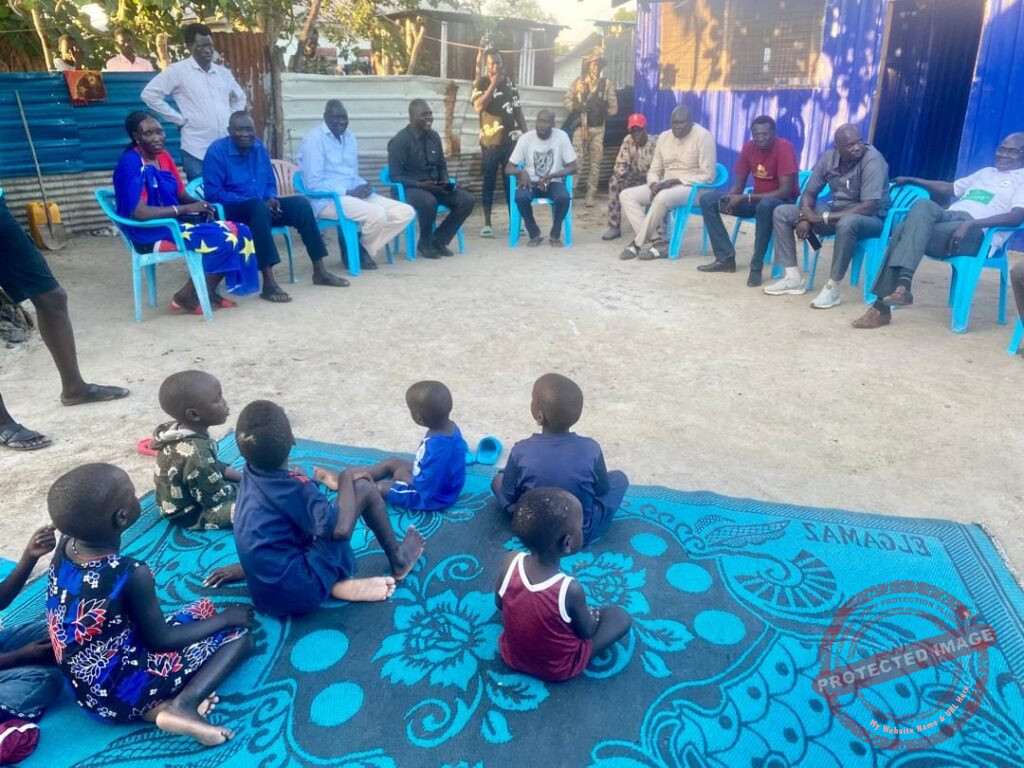
He says communities, mainly the Murle, have adopted a unified demand for marriage through their customs, where 55 cattle are paid for an uneducated girl and 60 cattle are paid as dowry for an educated girl.
Addressing reporters in August, GPAA Chief Administrator Gola Boyoi pledged his government’s commitment to do all it can to ensure that abducted children from Eastern Equatoria and other states are returned.
He added that effort to rescue and return the abducted children is to ensure his community and the neighbors coexist for the development of the country.
“I came to handover these 11 children and I want to promise the government and people of Eastern Equatoria that more are still coming, we are making sure that all the children as to be returned back to their families,” Gola said at a handover ceremony for rescued children in Kapoeta East, in August 2024.
Meanwhile, the Governor of Eastern Equatoria State, Louis Lobong, also welcomed the return of 11 abducted children to Eastern Equatoria.
The children were taken to captivity during the deadly attack in April 2024, when armed youth from the Greater Pibor Administrative Area raided cattle from different camps in Kauto Payam of Kapoeta East County.
Two key suspects- believed to be giants in the act have been arrested.
According to the Central Equatoria State Advisor on Peace and Security Angelo Daya, the two unnamed giants were arrested in Pibor and Eastern Equatoria and are currently at Juba Central Prison.
– UN rights body on abductions –
The United Nations Commission on Human Rights in South Sudan has warned that the nature of child abduction is shifting from a cultural issue to a political and serious crime.
Yasmin Sooka, Chairperson of the Commission, told the media after visiting Jonglei in February 2024 that the process of rescuing and reunifying the abducted children and women in the states is becoming increasingly complex.
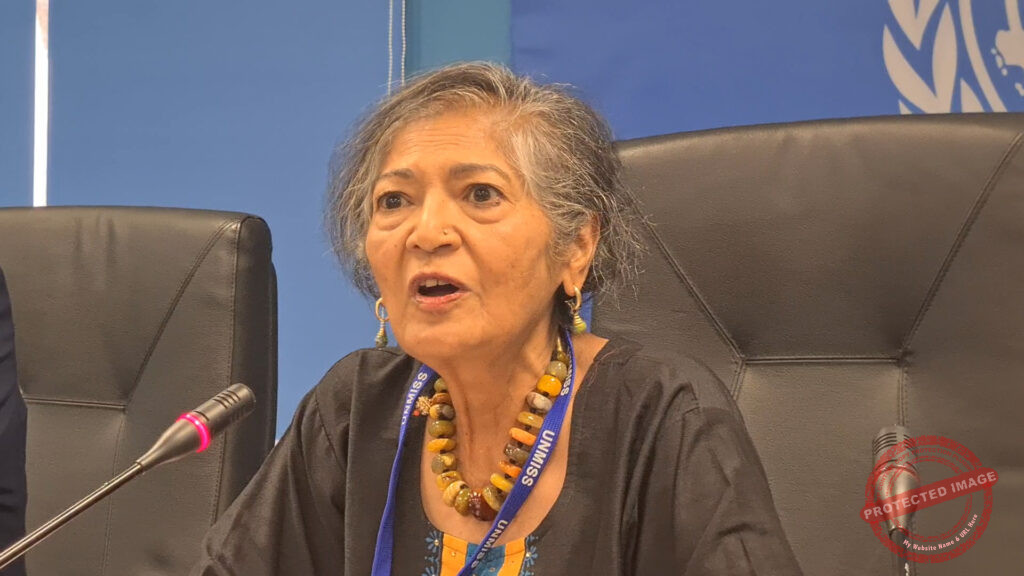
“Government says this is a cultural issue. I am afraid it has moved from a cultural issue to a political and serious crime. This is something one must pay attention to,” Sooka observed.
Advocate Omara Joseph, Protection and Advocacy Officer at the South Sudan Human Rights Defenders Network suggests the need to introduce additional penalties to South Sudan’s criminal justice system to end child abduction.
“We feel like penalties that are within the penal code are not sufficient enough to deter these actions,” Omara told Eye Radio on Saturday, October 5th, 2025, adding that “We need to have more sanctions included in the criminal justice system so that this issue of child abduction is reduced.”
South Sudan has so far developed its first-ever Anti-Trafficking in Persons Bill, 2024, awaiting to be presented to the cabinet and tabled before the national legislature.
Sabri Wani, co-chair of the Taskforce for Combating Trafficking in Persons and Smuggling of Migrants, says “This Bill is good for the current and the coming generation.”
Chapter four of the Bill states that “whoever recruits, transports, transfers, harbors, or receives a person by means of threat, uses force or other forms of coercion, abduction, fraud, deception, abuse of power, or a position of vulnerability, or gives or receives payments or benefits to achieve the consent of a person having control over another person for the purpose of exploitation; recruits, hires, maintains, confines, transports, harbors, or receives a person, or facilitates the aforementioned acts through force or other forms of coercion for the purpose of engaging that person in prostitution, pornography, sexual exploitation, forced labor, slavery, involuntary servitude, debt bondage, or forced or arranged marriage commits an offense and, upon conviction, shall be sentenced to imprisonment for a term not exceeding 15 years and a fine.”
Other laws including the South Sudan Child Act of 2008 and the Penal Code of 2008, also prohibit the unlawful taking away or detention of a child under the age of 18 without the consent of the child’s parents or guardians.
This story was produced in collaboration with InfoNile.