






TODAY IN HISTORY: Reflecting on the Torit Mutiny, 71 years later
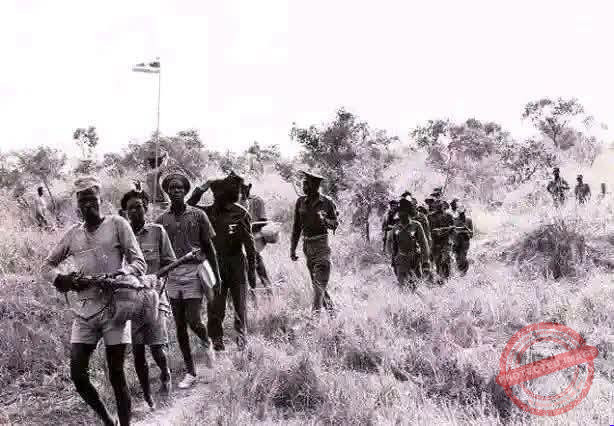
August 18 marks the 71st anniversary of the Torit Mutiny—a decisive turning point in South Sudan’s history that fundamentally reshaped relations between the northern and southern regions of Sudan.
On this day in 1955, soldiers of the Equatoria Corps within the Sudan Defence Force revolted in Torit, Equatoria Province. The uprising erupted just months before Sudan officially transitioned out of the Anglo-Egyptian Condominium to gain independence on January 1, 1956.
Key Triggers Behind the Uprising
The immediate spark was an order directing a company of mostly Southern troops from the Equatoria Corps in Torit to relocate to Khartoum. Authorities claimed the unit was needed for official ceremonies marking the exit of British and Egyptian armed forces.
However, the transfer order landed amid deep-seated political, social, and cultural friction. Southern soldiers and civilians feared the expanding control of Northern administrators and officers, worrying that Southern rights and political representation would be systematically erased following independence.
Simultaneously, unverified rumors circulated that Southern troops dispatched to the North would face severe harm. A controversial telegram—later widely identified as a forgery—amplified these anxieties and ignited widespread panic within the ranks.
Beyond immediate military concerns, the crisis reflected deep structural divides over governance, equitable economic development, and Southern representation. Official British parliamentary logs from the era noted that the transfer order merely acted as a trigger for much deeper, long-festering grievances.
The Events of August 18, 1955
On the morning of August 18, members of No. 2 Company gathered at the Torit parade ground, ostensibly to prepare for movement north. Instead, the troops defied the deployment order.
The rebellion escalated rapidly. Soldiers seized weapons and ammunition from the local armory before launching attacks on Northern officers and key installations in Torit. The revolt spread quickly to surrounding towns, including Juba, Yei, and Maridi.
The ensuing violence resulted in fatalities among Northern military personnel and civilians alike. Government forces eventually moved to suppress the uprising, resulting in heavy casualties, mass arrests, and forced displacement among Southern troops. Precise death tolls and the full extent of civilian impact remain subjects of historical discussion.
From Localized Revolt to Organized Movement
The government in Khartoum responded by airlifting Northern forces into the region using British transport aircraft to regain control.
Rather than surrender, many surviving mutineers fled into dense rural areas. These fighters remained underground for years, eventually forming the core cadre of the armed Southern resistance.
By the early 1960s, this loose network evolved into the organized Anyanya movement—the primary Southern insurgent group during the First Sudanese Civil War. While August 18, 1955, is remembered as the catalyst for the Southern armed struggle, the Anyanya itself emerged as a formal movement several years later.
Historical Impact and Civil Conflict
Sudan achieved independence on January 1, 1956, but the core grievances that sparked the Torit uprising remained unaddressed. Southern calls for meaningful self-governance and political inclusion continued to be rejected by central authorities.
This deadlock fueled the First Sudanese Civil War (1955–1972), which concluded with the signing of the 1972 Addis Ababa Agreement, granting regional autonomy to Southern Sudan.
When that agreement broke down in 1983, it triggered the Second Sudanese Civil War. The long road of resistance and negotiation eventually led to the 2005 Comprehensive Peace Agreement (CPA) and culminated in South Sudan’s formal independence in 2011.
71 years after the Equatoria Corps revolted in Torit, August 18 remains a central landmark in South Sudan’s national memory—a reminder of the immense human cost of conflict and the enduring importance of justice, inclusion, and dialogue in building a peaceful future.