


Govt resolves to end non-statutory tax exemptions to boost revenue
The government says it has resolved to end non-statutory tax exemptions as part of measures to increase domestic revenue collection and ensure regular payment of salaries to public servants.
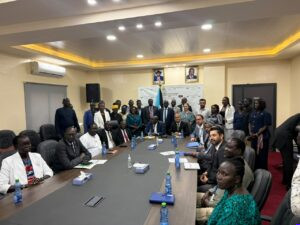
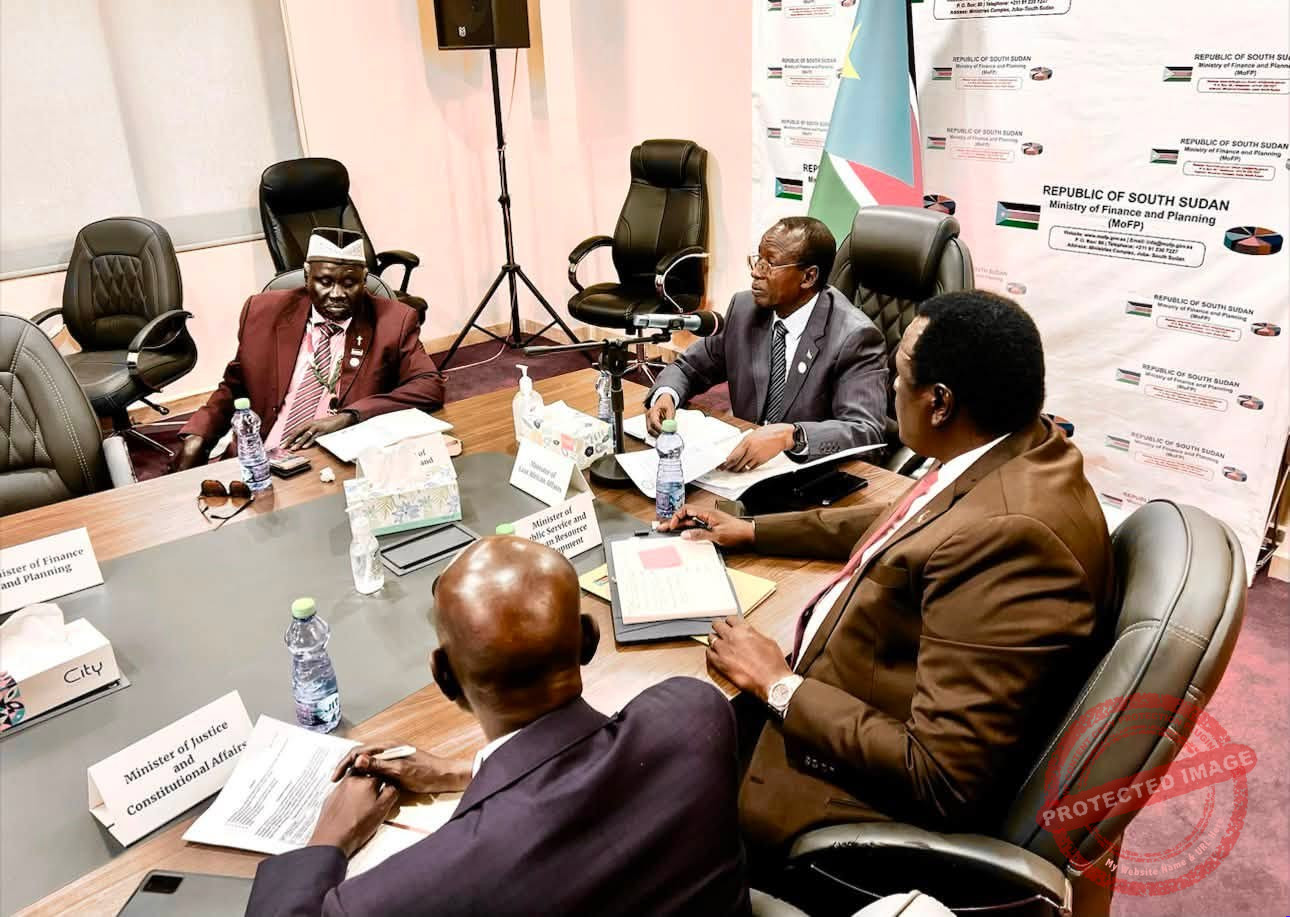
The decision was reached during a meeting of the Ministerial High-Level Committee on Economic Reform held in Juba on Monday and chaired by the Minister of East African Community Affairs, General Pieng Deng Kuol.
Non-statutory tax exemptions are tax waivers or special tax privileges granted to individuals, companies, organizations, or groups without a clear basis in existing laws.
In simple terms, they are situations where someone is allowed not to pay certain taxes or duties even though the law requires them to do so, often through administrative decisions, special arrangements, or informal approvals.
Speaking after the meeting, the acting secretary of the committee, Minister of Public Service and Human Resource Development Ezekiel Lol Gatkuoth, said the move follows President Salva Kiir’s directive to improve government finances and guarantee timely salary payments.
“We met today to look into what we can do to make sure that timely payment of salaries is realized. We have resolved that to increase our non-oil revenues we have to stop the non-statutory exemptions that are being exercised,” he said.
Minister Gatkuoth said businesses importing goods through border points, including Nimule, will now be required to pay taxes, while exemptions will only apply to those provided for under the law.
“If you are in Nimule or any border and you are a business owner bringing goods for sale, you must pay tax. The exemptions will only be for the Status of Forces Agreement, humanitarian agencies, UN agencies and projects funded by the UN and NGOs,” he added.
The minister added that the cardinal objective of the reforms is to strengthen the economy and improve public services for citizens.