

South Sudan launches first national cancer registry
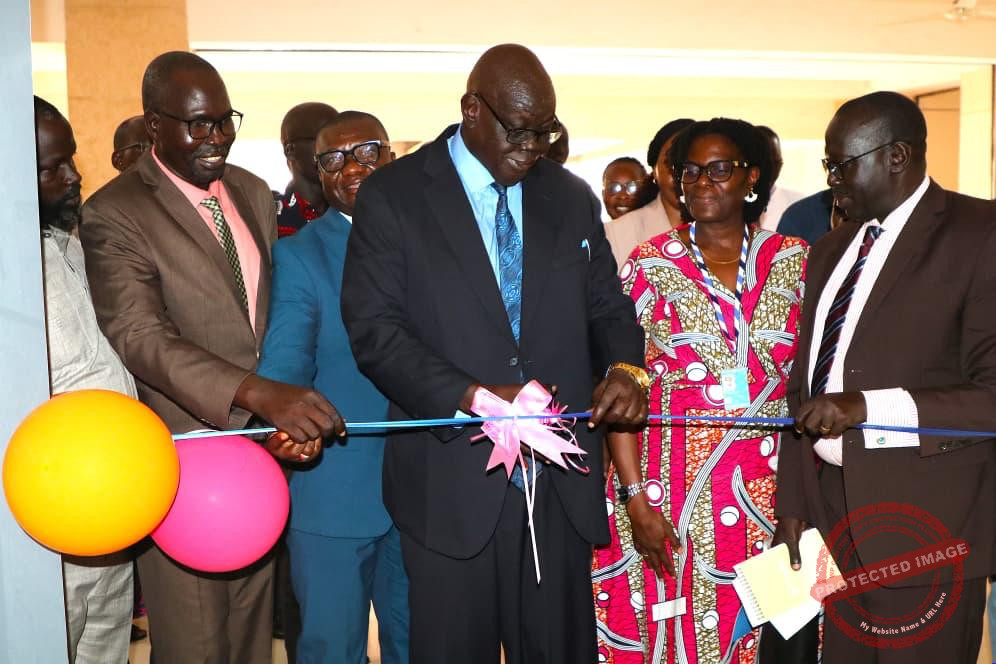
South Sudan On Thursday launched its first cancer registry to improve the recording and monitoring of cancer cases across the country.
Dr Aker Bol, a medical doctor in the Oncology Department at Juba Teaching Hospital, said the registry would help health authorities establish how many people are affected by cancer, identify common types of the disease and improve prevention, early diagnosis and treatment.
Speaking during the launch, Dr Aker said cancer had been largely neglected in South Sudan because cases were not systematically recorded.
“Cancer, in general, in South Sudan, has been ignored for a while. Cancer is a disease that is very dangerous,” he said.
She explained that the absence of a national registry had made it difficult to establish the scale of the disease and identify the most affected population groups.
“When cancer is diagnosed, it’s not recorded. We don’t know how bad cancer is. We don’t know the population that is mostly affected by cancer in South Sudan, because we don’t have any registry,” Dr Aker said.
She described the establishment of the registry as a major step towards improving cancer management in the country.
The initiative is being supported by the World Health Organization, UNICEF, Concern for Women and the United States Centers for Disease Control and Prevention, which are providing equipment for recording and registering cancer cases.
Dr Aker said the involvement of these partners had made the launch possible.
“This kind of partnership is the one that is actually responsible for today, because they are providing the equipment that are necessary for recording and registering of cancer cases,” he said.
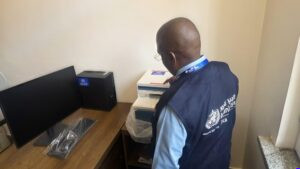
She called on the public and other partners to support the initiative, saying the responsibility of addressing cancer should not be left to health workers alone.
Dr Aker said awareness and screening activities had been conducted, including campaigns during October’s Pink October cancer awareness month, with some patients diagnosed and treatment initiated.
However, he said the lack of a centralised record had made it difficult to track diagnosed cases.
“Even the type of cancer, it’s important in actually knowing so that we can know how to prevent it, how to diagnose it early, and how to treat it properly,” he said.
Dr Aker said the population-based registry would help establish how cancer affects the wider population and provide information needed to guide public health interventions.
She urged the public to support efforts to strengthen cancer awareness, screening and reporting across South Sudan.