

EFASS Programme targets 105 schools in Eastern Equatoria
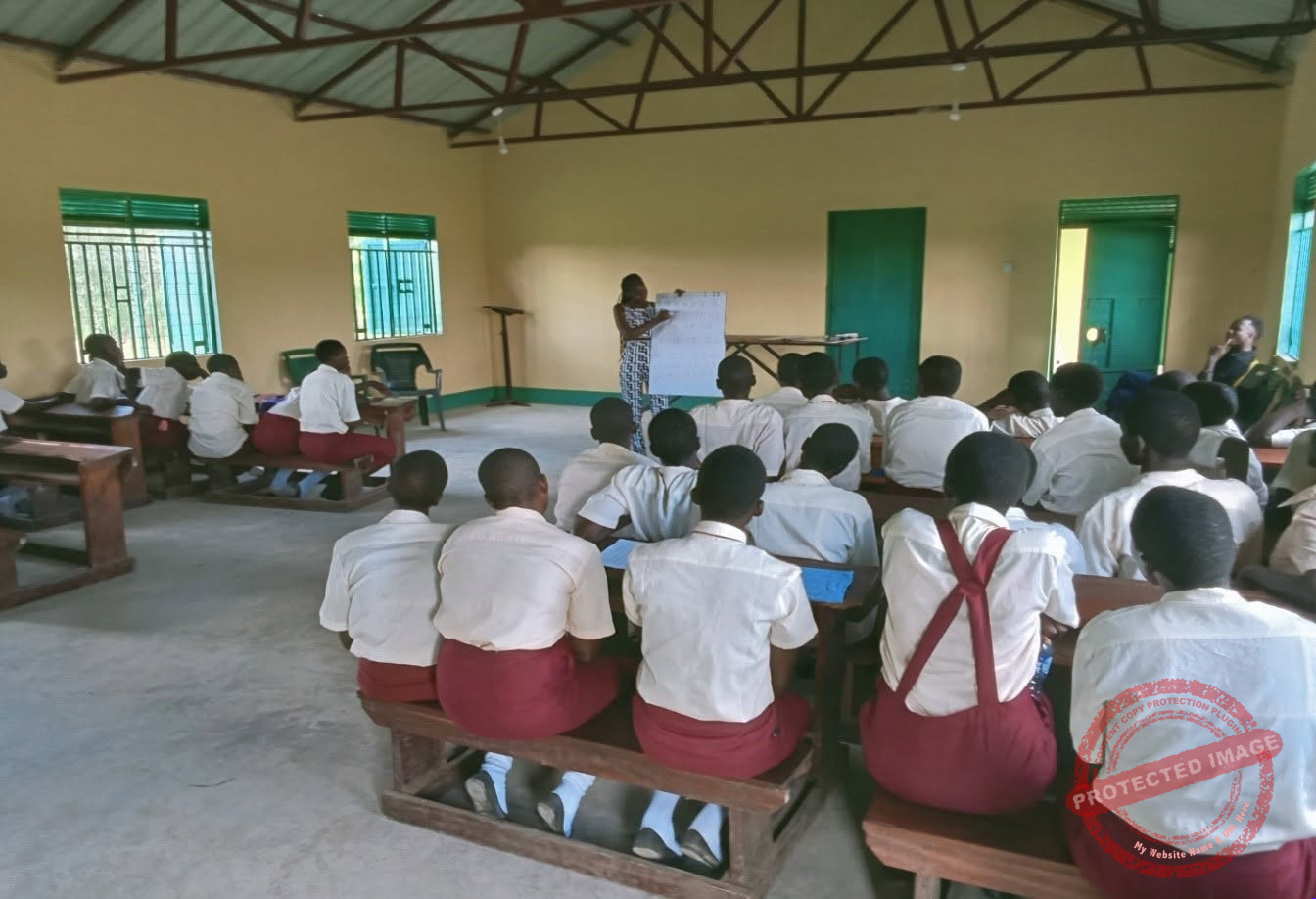
Education partners under the Education for All South Sudan (EFASS) programme are targeting 105 government and faith-based schools in Magwi and Torit counties of Eastern Equatoria State to improve access, retention and learning outcomes for vulnerable children and adolescents.
The three-year programme, running from 2026 to 2029 and funded by the UK Foreign, Commonwealth and Development Office (FCDO), aims to improve access to quality education, strengthen foundational learning and support vulnerable learners, particularly girls and children with disabilities.
Save the Children paid a courtesy visit to the State Ministry of General Education and Instruction on Monday to introduce the programme and officials involved in field monitoring of the 2026 cash transfer validation exercise in Eastern Equatoria.
Speaking during the meeting, Save the Children Field Coordinator, Lodongi Mathew, said EFASS brings consortium partners together under a shared approach to designing, delivering, monitoring and continuously improving education interventions in response to South Sudan’s learning crisis.
He said the programme would provide cash transfers to 105 government and faith-based schools in Magwi and Torit counties, targeting vulnerable learners in Primary Seven and Eight, as well as Senior One, Two, Three and Four.
The initiative will also support foundational learning recovery through the Teaching at the Right Level (TaRL) approach, alongside accelerated learning, remedial and catch-up programmes.
Mr. Lodongi said the programme would further invest in teacher professional development through Continuous Professional Development, including school-level coaching to strengthen teachers’ skills and improve classroom learning.
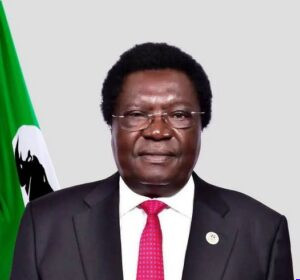
Caretaker Minister of General Education and Instruction, Ibwaha Lucy Allam, welcomed the delegation and commended education partners for their commitment to supporting vulnerable learners in the state.
However, she called for the programme to be expanded beyond Magwi and Torit to reach other underserved counties and administrative areas across Eastern Equatoria.
She specifically identified Imehejek, Chukudum, Ikwoto, Kawuto and Kimotong as areas requiring additional educational support, urging partners to consider including them in a possible second phase.
Minister Ibwaha said extending the initiative to these areas would give more vulnerable children, particularly girls, opportunities to access and complete their education.
In response, the visiting delegation welcomed the minister’s recommendations and pledged to explore opportunities to expand the programme to additional areas in the state.
The proposed expansion, if secured, could extend educational support to more vulnerable communities, address barriers to girls’ education and strengthen the education sector in Eastern Equatoria.