



Institutional reform key to preventing electoral violence, new study finds
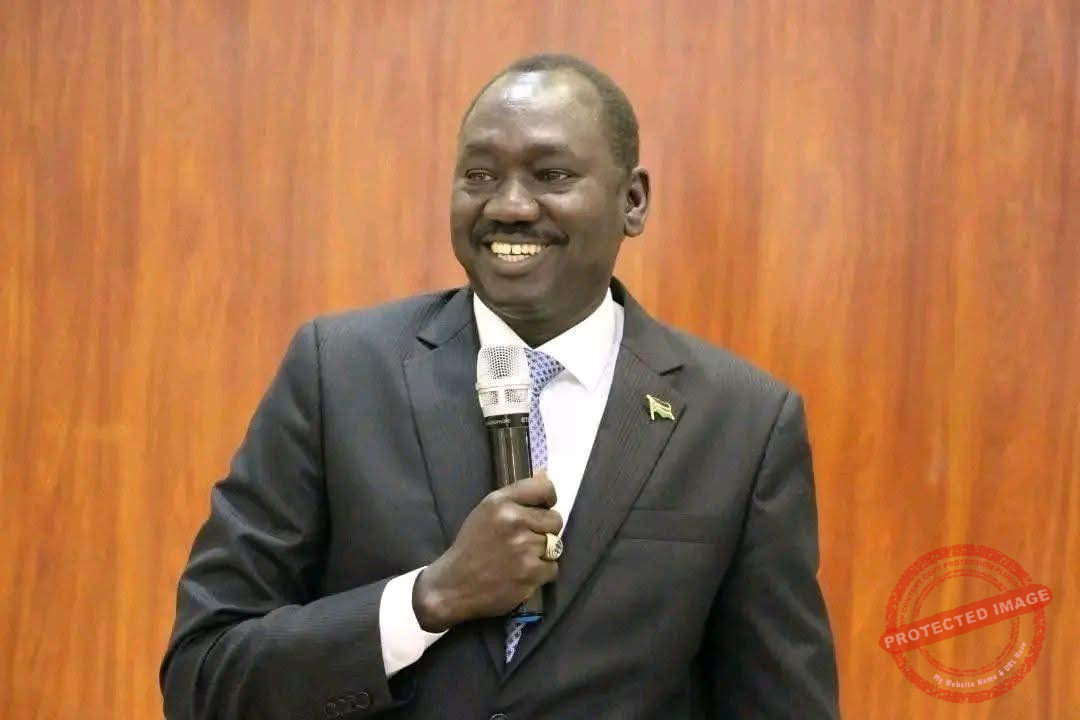
A new study on post-conflict democratic consolidation by Dr. Dhieu Mathok Diing Wol, former Minister of Investment, calls on South Sudan to overhaul its constitution, unify its security sector, and expand civic education to curb hate speech and electoral violence.
The research, titled “Causes of Electoral Violence in Post-Conflict Countries: Institutions, Political Competition, and the Challenges of Democratic Consolidation,” was authored by Dr. Dhieu Mathok Diing Wol of the African Centre for Conflict Resolution and Peace Building in Juba.
Published in the African Journal of Emerging Issues (Volume 8, Issue 21, July 2026), the paper examines post-war political transitions across nine nations, including Kenya, Côte d’Ivoire, Liberia, Sierra Leone, Burundi, Nepal, Bosnia and Herzegovina, South Sudan, and the Democratic Republic of Congo.
According to Dr. Dhieu Mathok, a former Minister of Investment, elections rarely generate conflict on their own. Instead, they act as a catalyst that exacerbates pre-existing political, ethnic, and economic tensions.
The study identifies several structural vulnerabilities that heighten the risk of electoral conflict, notably weak public institutions, winner-takes-all political systems, unresolved wartime grievances, armed factions embedded in political parties, youth unemployment, hate speech, and partisan security forces.
To illustrate these dynamics, the study points to Kenya’s disputed 2007 presidential election, where eroding trust in electoral bodies and the judiciary triggered widespread violence that left over 1,000 dead. Similarly, Côte d’Ivoire’s 2010 election resulted in rival victory claims that plunged the nation back into civil war.
Conversely, the research highlights Liberia (2005) and Sierra Leone (2007) as proof that post-conflict elections need not end in bloodshed. In both nations, deliberate institutional reforms, comprehensive disarmament programs, security sector overhauls, and sustained international backing enabled peaceful democratic transfers of power.
Dr. Dhieu Mathok emphasizes that proper sequencing is vital: electoral commissions, courts, and security forces must earn public confidence long before high-stakes elections take place.
The study frames South Sudan as an urgent test case, citing unfinished provisions of the 2018 peace agreement—specifically army unification, a permanent constitution, truth and reconciliation mechanisms, and judicial strengthening.
To mitigate risks, the author urges South Sudan to fast-track constitutional reforms, complete security sector integration, bolster the National Elections Commission, and expand civic education to counter online misinformation and hate speech.
Dr. Dhieu Mathok concludes that peaceful elections depend on years of deliberate institutional building, justice, and reconciliation, calling on domestic leadership and international partners to prioritize these reforms well ahead of polling day.