





Land Coalition blames politics for illegal land acquisition
The South Sudan National Land Coalition (SSNLC) says political interference in policymaking has allowed some individuals to bypass legal procedures and acquire land improperly.
Stakeholders are calling for the swift passage of the Land Bill and greater public awareness to strengthen land governance, protect community rights, and promote peaceful coexistence.
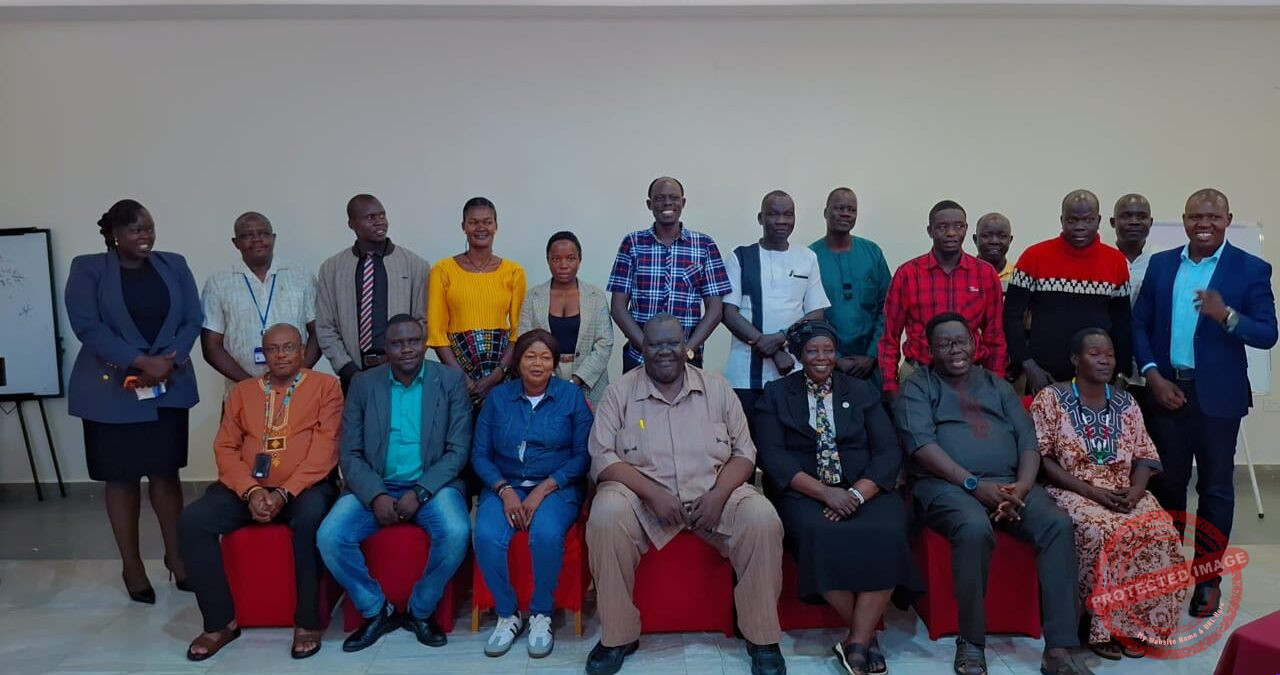
The concerns were raised during a one-day forum held under the theme: “Strengthening the Implementation of Presidential Directives on Pastoralist Migration, Peaceful Coexistence, and Sustainable Land Governance in South Sudan.”
Participants discussed challenges affecting land administration, including political influence, weak enforcement of regulations, and disputes between pastoralist communities and settled farmers.
Boboya James, Executive Director of the Institute of Social Policy and Research (ISPR), said politics and tribal interests have affected land policymaking, allowing some individuals to avoid legal procedures.
“Politics have entered into policymaking and because of the nature of tribalism in South Sudan, some politicians are protecting others from not following the due process,” Boboya said.
He added that required consultations and consent processes are often ignored, contributing to land grabbing and attempts to formalize illegally acquired land.
Meanwhile, the Chairperson of the South Sudan Land Commission, Robert Ladu, urged the National Assembly to fast-track the Land Bill, saying it would provide clearer rules on community land ownership and acquisition.
“I recommend that we pass the land policy because from the land policy we’ll have community land. What is community land? Who owns it? And how can community land be acquired?” Ladu said.
He said the absence of a strong legal framework has made it difficult to hold individuals accountable for illegally acquiring and selling land.
George Ritti, Director for Land at the Ministry of Land, Housing, and Urban Development, said public awareness is essential to improving understanding of land governance and promoting peaceful relations between pastoralists and farming communities.
“Let us give awareness… so that most of those people of South Sudan, they know the significance of their policy,” Ritti said.
He encouraged citizens to participate in future public consultations on the Land Bill, saying community views would be important in shaping the country’s land policy.
The forum also highlighted research showing continued conflicts between armed mobile herders and sedentary farmers over access to land and crops, with some disputes escalating into violence.
Stakeholders said the implementation of President Salva Kiir’s directives on pastoralist migration and land governance continues to face challenges, including weak institutional capacity, climate shocks, and localized conflicts.