




Kapoeta families turn to gold mining as drought destroys crops
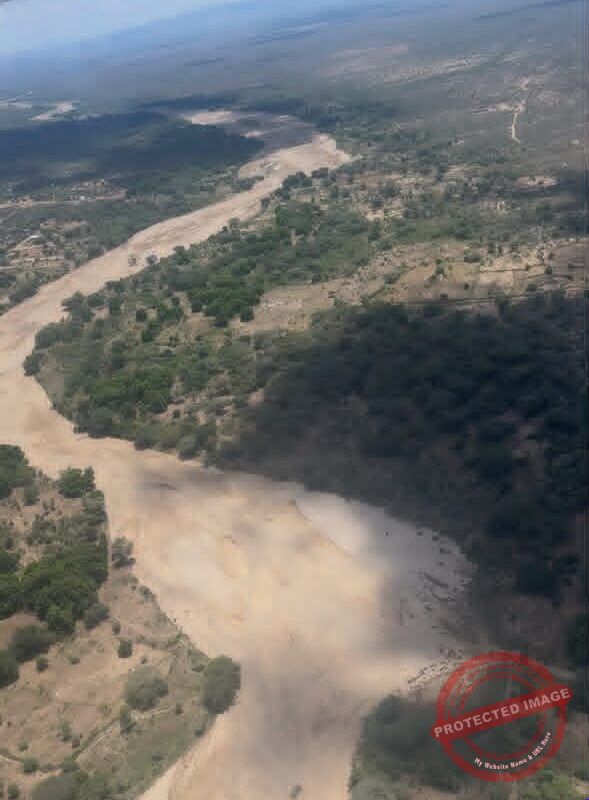
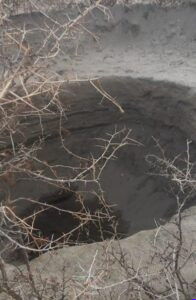
Families who traditionally depend on farming in Kapoeta South County, Eastern Equatoria State, are increasingly turning to gold mining to meet their daily needs after a prolonged dry spell destroyed crops.
For many households, gold has become more than a source of income. It is helping them buy food, pay school fees and meet other basic needs as the drought continues to affect farming.
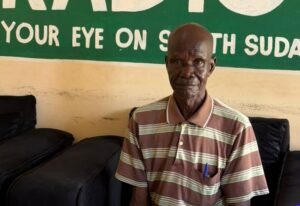
Juma Buhkari, Chief Executive Officer of Kapoeta South Municipal Council, says the prolonged dry conditions have destroyed crops and left many families dependent on gold mining as an alternative source of income.
According to Buhkari, families collect gold and sell it to raise money for food, school fees and other household expenses.
“Climate change has affected not only South Sudan but other parts of the world, People in Kapoeta cultivated but the crops were destroyed with droughts, now families in Kapoeta use gold, they collect then sell in 1 kg or 2 to be bale to buy food for their children and also pay schools fees.”
For some households, income from gold mining is also being used to buy construction materials, showing how important the activity has become as families cope with the effects of drought.
Buhkari says the shift to gold mining is mainly driven by the failure of agriculture, which has traditionally been a major source of livelihood for communities in Kapoeta.
“Here in Kapoeta what helps us is gold mining, here locally our people collect and survive with it until the situation stabilizes and there is rain because the people of Kapoeta are known for farming.”
South Sudan is facing severe food shortages and widespread crop failures due to a prolonged 2026 dry spell linked to El Niño and below-normal rainfall.
Eastern Equatoria is not the only state affected by the drought.
In Warrap State, the government declared a state of disaster in September 2026 following severe crop failure and livestock losses.
In Northern Bahr el Ghazal, local leaders in Aweil East report that crops are completely dead. Assessments show that 70 percent of the state’s population faces food shortages.
Buhkari says gold mining has helped local families cope with the effects of the drought and meet some of their basic needs.
“This gold mining activity has really helped families to put their children in schools and necessary food items.”
He says food prices in Kapoeta are relatively lower than in other parts of the country, but gold has increasingly become an important means of payment for local families.
Gold is being used to buy food, pay for medical treatment and meet other essential needs.
“Foods items here in Kapoeta is not expensive because if you compare it with Juba or Torit, you will find in Kapoeta is cheaper. The locals now use gold to purchase food from the traders; the gold is also used for medical treatment and other.”
Buhkari says communities in Kapoeta do not rely heavily on the U.S. dollar, with gold increasingly serving as a form of hard currency for local transactions.
The growing reliance on gold mining highlights the vulnerability of farming communities to changing weather patterns and prolonged dry spells.
It also points to the need for early warning systems that can help communities prepare for drought and protect their livelihoods.
The IGAD Climate Prediction and Applications Centre, ICPAC, reports that the dry conditions may change.
Parts of South Sudan could see increased rainfall from October through December 2026. The rains could help replenish water sources and support crop production, but they may also increase the risk of flooding.