


Lawyer challenges Humanitarian Affairs Ministry’s authority over NGO re-registration
A human rights lawyer has challenged the Ministry of Humanitarian Affairs’ authority to introduce compulsory verification and re-registration of non-governmental organisations, arguing that the exercise undermines the independence and legal mandate of the Relief and Rehabilitation Commission (RRC).
In a statement early this week, CatertakerMinister Peter MayenMajongdit urged all national and international NGOs operating in South Sudan to comply with the verification and re-registration exercise through the nine committees established by the ministry.
He further clarified that the registration and re-registration process will be conducted free of charge.
Advocate Godfrey Victor Bula, Executive Director of the Justice and Human Rights Observatory, said the RRC was the legally mandated institution responsible for registering, monitoring and supervising NGOs under the NGO Act 2016.
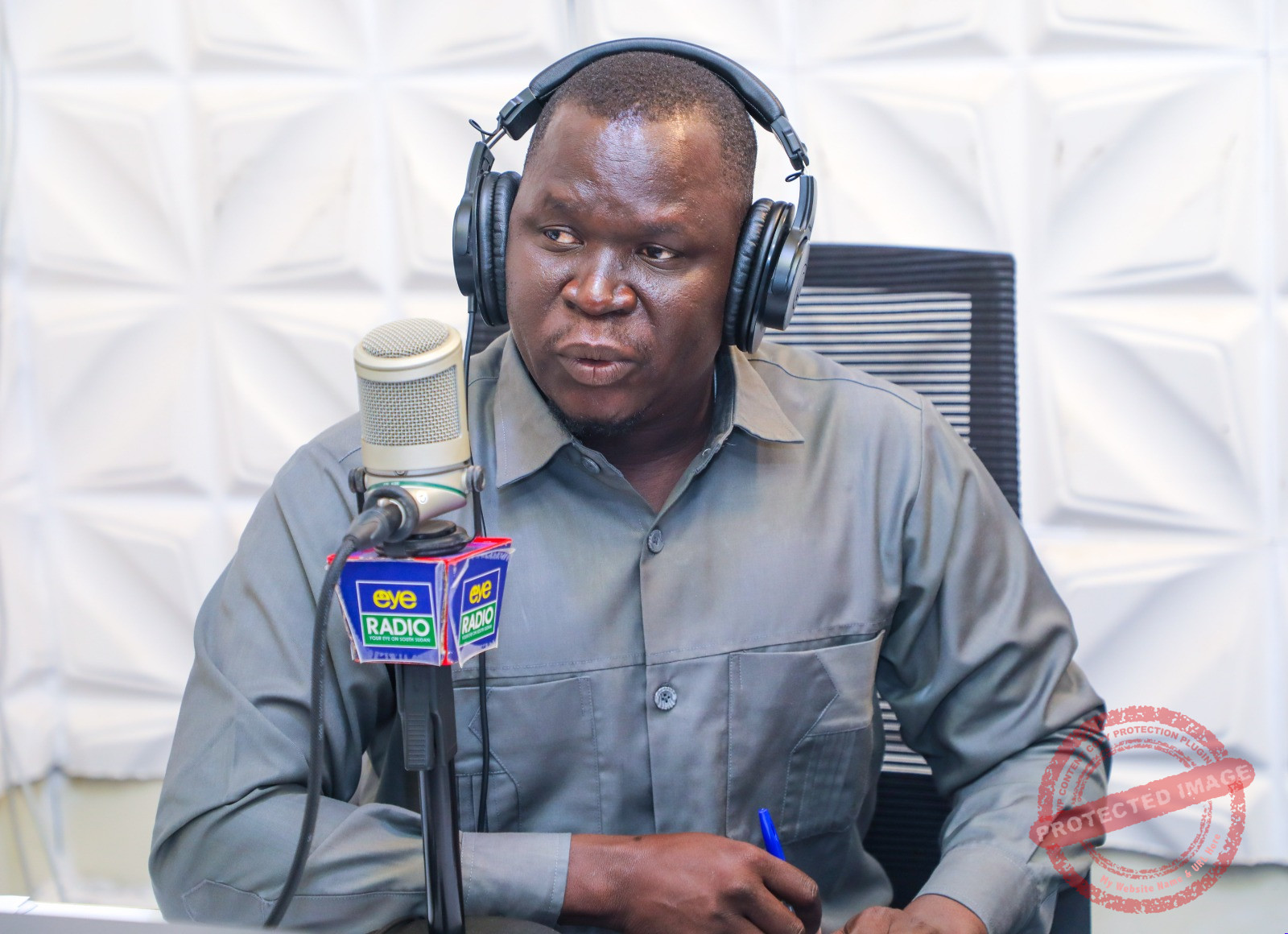
Speaking on Eye Radio’s Dawn Show on Wednesday, Bula said the minister’s responsibility was limited to formulating policies that guide the implementation of existing laws rather than introducing measures that contradict legislation passed by Parliament.
“The RRC Commission is an independent commission. The role of the minister is only to formulate policies that are to reflect the implementation of the provision of the Act, not to formulate a new policy that contradicts the Act,” Bula said.
He argued that the NGO Act 2016 and the Relief and Rehabilitation Commission Act 2016 provide the legal framework governing the operations of non-governmental organisations in the country.
Bula also questioned the need for compulsory re-registration when NGOs already submit their documents to the RRC for registration and annual renewal.
The lawyer warned that the exercise could undermine freedom of expression and weaken civil society organisations, particularly those involved in human rights monitoring and government accountability.
He further disputed arguments linking the legality of international NGOs to the absence of signed 2022 Country Host Agreements, saying the absence of such agreements does not automatically invalidate existing registrations.
“Whether an NGO has not re-register as they call it, it does not nullify or cancel the existence of the registration of the NGOs,” he said.
Bula warned that rejecting NGO applications without lawful grounds could disrupt essential humanitarian services, including healthcare, food assistance and education, on which millions of South Sudanese depend.
He said organisations whose registration or renewal applications were unfairly rejected had the right to challenge such decisions in court.
Bula called on the Ministry of Humanitarian Affairs to reconsider the verification order and instead introduce policies that support local NGOs through partnerships, financial assistance and reduced registration fees.