



Mobile courts launched in Western Bahr el Ghazal to tackle case backlogs
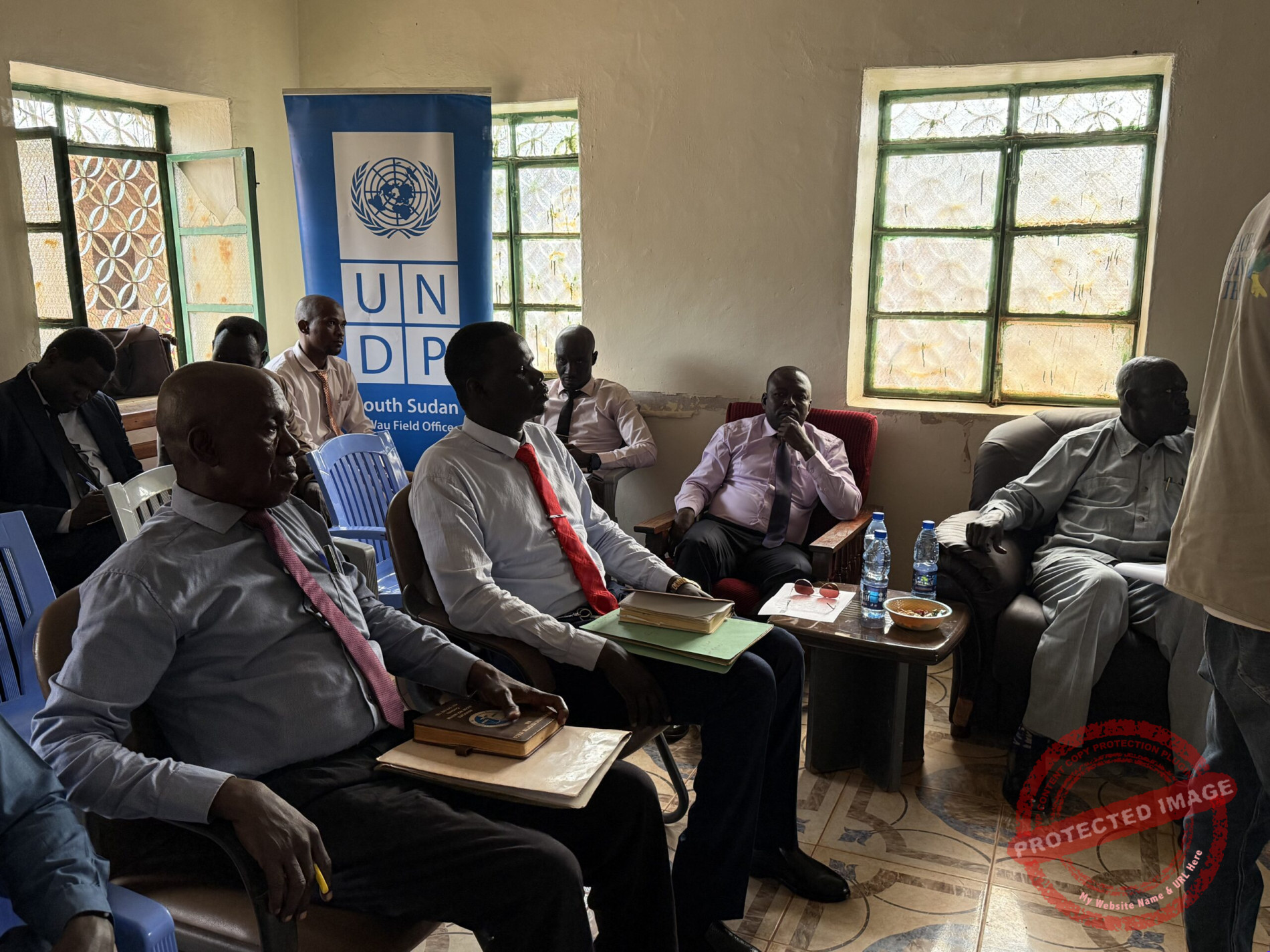
The Judiciary of South Sudan, with support from the United Nations Development Programme (UNDP), has launched a 30-day Mobile Court Initiative in Wau and Raja Counties to accelerate the resolution of pending criminal cases, address prolonged pre-trial detention and improve access to justice in Western Bahr el Ghazal State.
Implemented in partnership with the Directorate of Legal Administration and Public Prosecution, the initiative seeks to bring judicial services closer to communities, particularly those with limited access to formal justice institutions. It also aims to strengthen the protection of victims’ rights, promote accountability and reinforce the rule of law.
Speaking at the launch ceremony, the President of the Court of Appeal for the Bahr el Ghazal Circuit, Justice Andrew Joshua Lado, said the mobile court provides a practical response to longstanding challenges within the justice system, including limited judicial personnel, case backlogs and overcrowding in detention facilities.
“This mobile court is an effort to make the justice system more accessible to communities in Western Bahr el Ghazal. Given the limited number of judges available, mobile courts provide a viable solution to improving access to justice and strengthening the rule of law,” said Justice Lado.
He highlighted the urgency of addressing pending criminal cases, revealing that more than 200 remand cases were awaiting attention in prisons across the state.
“The mobile court will assist in clearing cases that have been awaiting trial for a long time. We are aware that there are more than 200 remand cases in prisons, and this situation requires urgent attention,” he added.
Justice Lado also expressed appreciation for UNDP’s continued support to South Sudan’s justice sector, particularly its contribution to strengthening the rule of law and expanding access to justice.
The President of the High Court in Western Bahr el Ghazal State, Justice Dudu Jackson Jejen, welcomed the initiative, emphasizing that mobile courts would enable judicial officers to reach communities where access to justice services remains limited.
He noted that bringing judicial services closer to communities is essential to addressing geographical barriers and ensuring that more people can access justice.
Representing UNDP, Mr. Felix Cassim reaffirmed the organization’s commitment to supporting national justice institutions in improving the delivery of justice and ensuring that services are accessible to all citizens, regardless of their location or circumstances.
“For many communities in remote areas, long distances, limited justice-sector infrastructure, and resource constraints continue to hinder access to judicial services. These challenges often contribute to delays in the administration of justice and prolonged pre-trial detention,” said Cassim.
He explained that the mobile court offers a practical response by temporarily deploying judges, prosecutors, legal aid providers and court personnel to underserved areas, helping to address barriers that prevent communities from accessing timely judicial services.
“This initiative will help bridge the gap between justice institutions and the communities they serve, ensuring that citizens can access timely and fair judicial processes,” he added.
The 30-day mobile court initiative is the first of its kind to be established in Western Bahr el Ghazal State this year. Through the deployment of judicial officers and other justice-sector personnel, the initiative is expected to accelerate the handling of pending criminal cases, reduce prolonged pre-trial detention and strengthen the administration of justice across Wau and Raja Counties.
The launch was attended by senior state officials and justice-sector stakeholders, including the Acting Inspector General of Police and State Commissioner for Police, Lt. Gen. Elia Kosta Faustino; the State Director of Prisons Service, Maj. Gen. Pidele Majok; the State Director for Legal Administration in the Ministry of Justice, Molana Awad Haroun Andal; representatives of the Bar Association; community leaders; and other stakeholders.
The initiative forms part of broader efforts by the Government of South Sudan and its development partners to strengthen justice institutions, improve access to judicial services, enhance public confidence in the justice system and advance the rule of law.