Parliament postpones budget reading after finance minister jets to U.S.

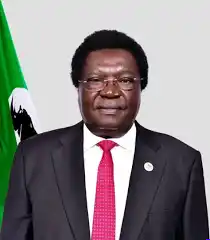
The national parliament has postponed second reading of the 2024-2025 fiscal year budget to early November due to absence of Finance Minister Dr. Marial Dongrin who travelled to the United States.
Parliament Spokesperson Oliver Mori Benjamin said Dr. Dongrin is attending the International Monetary Fund (IMF) and World Bank Group Annual Meetings in Washington, DC, due to commence from 25-27 October.
The budget was presented in its first reading on 25 of September when the specialized parliamentary committees were tasked to examine it and report to the August house within 21 days.
According to MP Mori, the parliamentary committees completed scrutinizing the budget and submitted their findings to the Committee on Finance and Economic Planning for further action.
The draft budget was due for deliberation, but the finance minister’s absence prompted such adjournment until he returns.
“The committee has done their job. The first stage and submitted it to the 5 clusters which have completed their work and submitted their reports to the mother from few of finance now to prepare it for tabling,” he said.
“Unfortunately the minister has travels New York for the World Bank Limited so the Parliament is waiting for the return of the minister as soon as he returned then the second reading of the budget will be table.”
“You know the World Bank meetings are always 10 to 11 days which means that are to the end of the month and most probably and likely the second reason was the table the first week of November.”
– Budget draft –
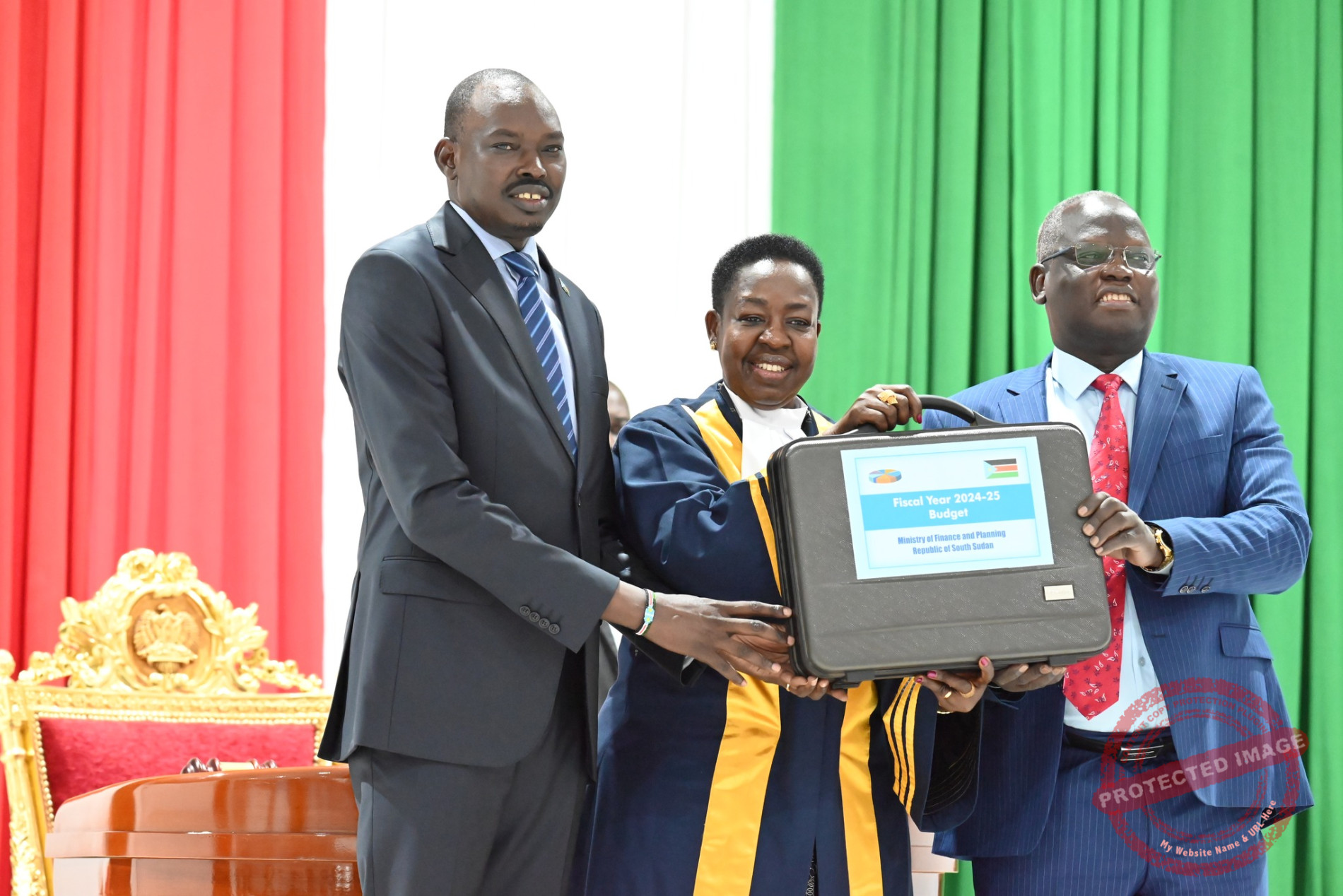
In September, Minister Dongrin tabled the long-awaited draft national budget of 4.2 trillion South Sudan pounds for the fiscal year 2024/2025 to the National Legislature.
The budget, along with a resource envelope of 2.228 trillion pounds, was approved by the Cabinet in August.
The government anticipates generating 1.138 trillion pounds from oil revenues and 1.119 trillion pounds from none-oil revenues, accounting for 50% of the total revenue estimate.
Key allocations include 773.8 billion pounds for wages and salaries, 412 billion pounds for goods and services, and another 419.3 billion pounds for the states, administrative areas, and state-organized forces.
The budget also allocates 15% to settle salary arrears for civil servants and organized forces, 6%, amounting 257.5 million pounds for pre-election activities ahead of the December 2026 elections, and 4.2% for humanitarian and emergency funds.
In addition, 2.2%, amounting to 93.8 billion pounds will go towards peace implementation efforts, and 2.3%, amounting to 96 billion pounds will be used to clear foreign mission arrears.
The Minister allocated 35.7 billion pounds for clearing arrears carried forward and 34.3 billion pounds for litigation and dispute settlements.
Capital expenditure is set at 493.4 billion pounds accounting for 11.8%.
Oil-producing states will receive 22.8 billion pounds, while 34.2 billion pounds will be directed to oil-producing communities.
To ensure the budget’s effective implementation, the Ministry of Finance aims to raise the revenue collection target to 1.11 trillion pounds and has set aside 30 billion pounds to modernize tax administration.
Although Dr. Dongrin said the budget would prioritize the welfare of the citizens, some lawmakers protested, arguing that the presentation failed to account for the previous budget.