
South Sudan’s civil society environment rated ‘weak’
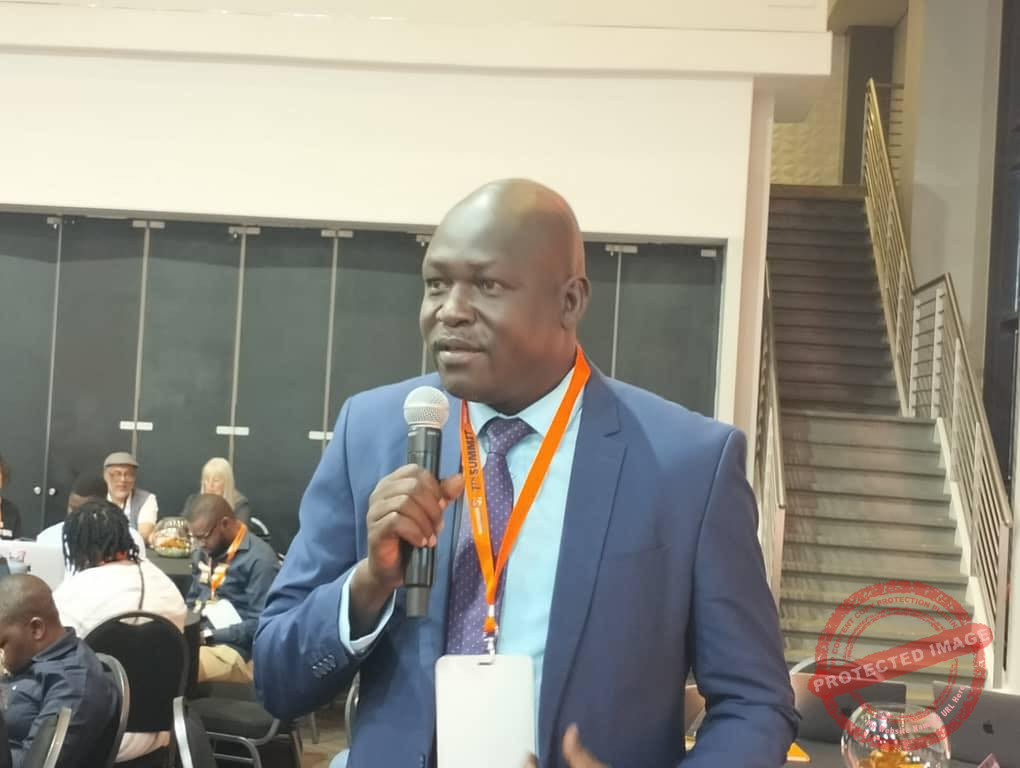
An independent panel of experts has rated South Sudan’s environment for civil society as “Weak,” highlighting a gap between protections provided for in law and the realities faced by activists and civic groups.
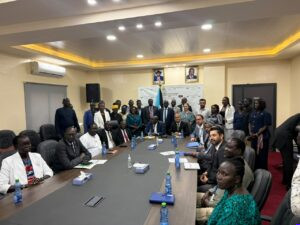
The panel, convened by the South Sudan Human Rights Defenders Network (SSHRDN) last week, scored the country 2 out of 5 under the European Union’s Strengthening an Enabling Environment for Civil Society framework, known as EU SEE.
The assessment examined six areas, including fundamental rights, the legal and regulatory framework, access to funding, government openness, public attitudes towards civil society and digital security.
The panel found that although legal protections exist, their inconsistent application leaves human rights defenders, journalists and civil society organisations vulnerable to restrictions and intimidation.
James Bidal, head of the SSHRDN Secretariat, said the findings should prompt government action.
He described the score as “a call for urgent and concrete action,” arguing that civil society remains central to South Sudan’s peace process by documenting abuses and giving marginalised communities a voice in decision-making.
The assessment comes amid broader scrutiny of South Sudan’s human rights record.
A joint submission by SSHRDN and regional rights organisation defenders to the United Nations Universal Periodic Review has raised concerns over freedom of expression, opinion, assembly and association, as well as the protection of human rights defenders.
The network is now calling on the government to remove administrative and political barriers affecting civil society organisations and ensure that freedoms of expression, assembly and association are protected without interference.
It is also urging authorities to meaningfully involve civil society in policymaking and to address surveillance, censorship and online intimidation targeting civic actors.
SSHRDN says the 2 out of 5 score will serve as a baseline against which future assessments can measure whether conditions for civil society in South Sudan improve.
The assessment brought together experts from academia, government commissions, the legal sector, technology and intellectual property fields, as well as the United Nations Commission on Human Rights in South Sudan.