




‘Three months without pay would bring fire in neighbouring countries’ – Presidential Adviser on South Sudanese resilience
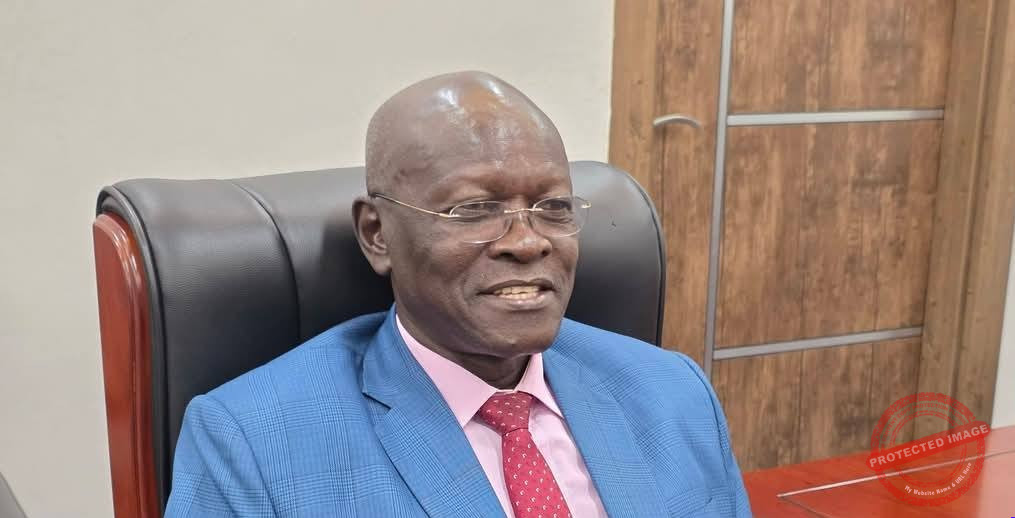
Presidential Adviser on Governance Joseph Ngere Paciko has described South Sudanese as “the most resilient human beings on earth,” saying civil servants continue reporting to work despite going for months and even years without receiving their salaries.
Speaking on Wednesday, November 25, at the conclusion of a two-day China-South Sudan Governance Roundtable in Juba, Paciko contrasted the situation in South Sudan with what he said would happen in neighbouring countries if workers went without pay.
“Try this, in one of these countries around us, somebody staying without salary for three months, you will see fire all over the place. South Sudanese, very resilient,” he said.
Paciko said civil servants continue going to work despite prolonged salary delays, often using their own money to meet daily expenses.
“A South Sudanese goes to work, with his or her money, comes back the same seven days a week, one month, the money is not paid. And he or she still continues to go to work,” he said.
However, he stressed that workers’ continued commitment should not be mistaken for satisfaction with their circumstances.
“It’s not because they enjoy it. No, they know how to deal with this situation, but because they will change their living standard of life,” he added.
The presidential adviser also highlighted differences between China’s and South Sudan’s governance systems, saying the two countries followed distinct paths because of their different histories.
Addressing questions about the relationship between governance and elections, Paciko described governance as a system of rules, processes and structures used to direct, control and hold an organisation or group accountable.
“Governance, simply, without complication of the professors who are here, and whoever they are, I’m bringing a people’s definition. It is a system of rules, processes, and structures used to direct, control, and hold a group or organization accountable,” he said.
He added that the same principles of governance apply in different settings, including families, churches and communities.