




THRIVE annual learning event promotes community resilience in South Sudan
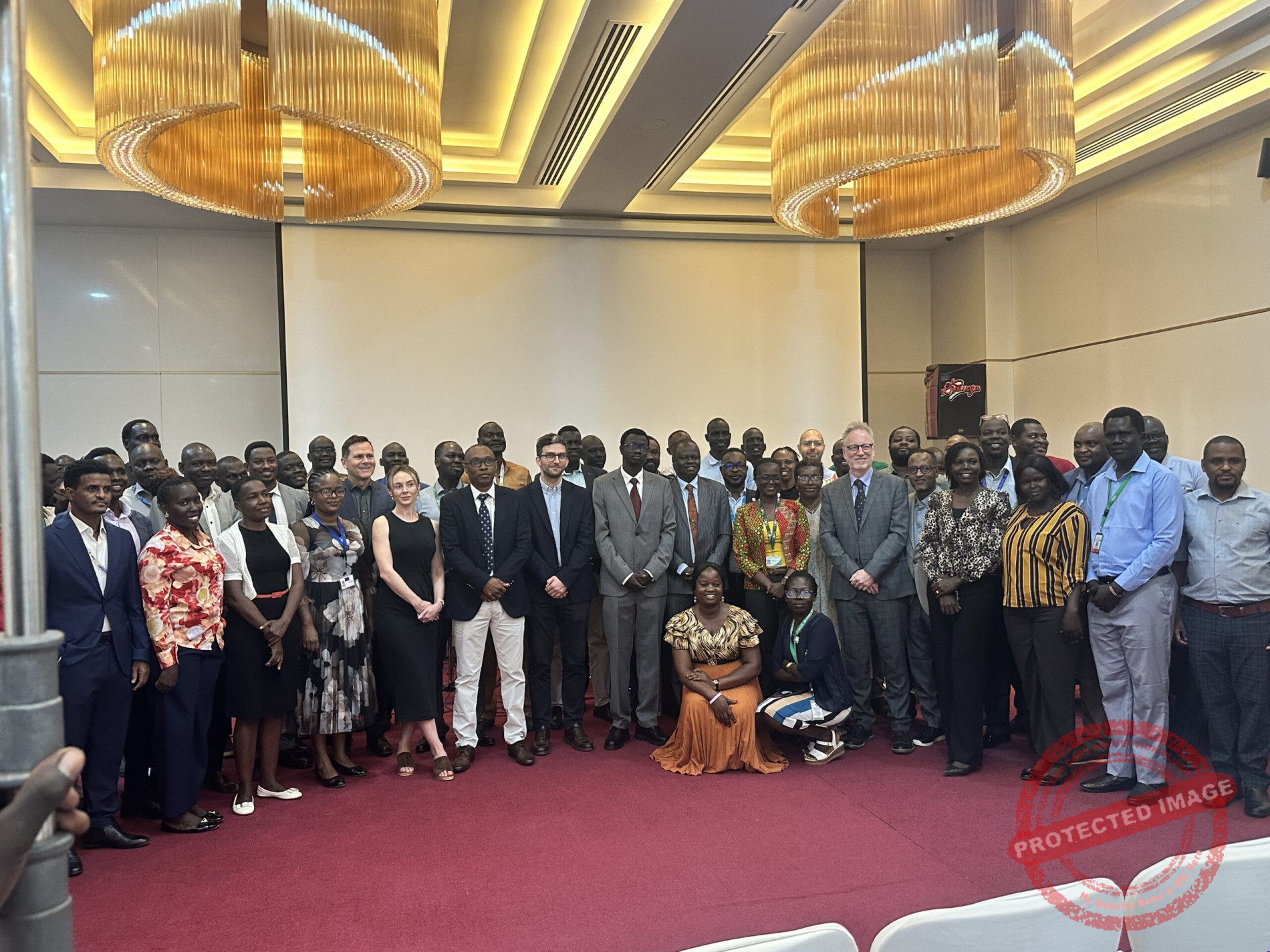
The THRIVE programme has held its annual learning event, bringing together government officials, development partners and other stakeholders to discuss ways of strengthening household and community resilience in South Sudan.
The event, held on Thursday under the theme, “Community Resilience, Partnerships and Practical Action: From Learning to Scale,” provided a platform for partners to share achievements, lessons, challenges and opportunities for expanding successful resilience initiatives.
The Transforming Household Resilience Through Inclusive Economic Development in South Sudan (THRIVE) programme focuses on improving livelihoods and promoting sustainable economic opportunities for vulnerable communities.
A major highlight of the event was the United Kingdom’s announcement of an additional £2.35 million to support anticipatory action and strengthen the resilience of at least 100,000 people ahead of projected flooding in South Sudan.
The funding will support joint efforts by the THRIVE Consortium, the United Nations World Food Programme (WFP) and the Food and Agriculture Organization (FAO) to help vulnerable communities prepare for climate-related disasters before they occur.
British Embassy Deputy Development Director Duncan Overfield said early action was essential to protecting communities and safeguarding development gains.
“Evidence consistently shows that acting early delivers better outcomes and better value for money than waiting until disaster has already caused widespread damage,” he said.
He said South Sudan continued to face serious humanitarian and climate-related challenges, with 7.8 million people experiencing high levels of acute food insecurity in 2026 and more than two million children acutely malnourished.
Overfield said resilience efforts should go beyond helping communities cope with emergencies and focus on building a foundation for sustainable development.
“Resilience is not just about surviving the next crisis. It is about building the foundations for long-term sustainable development by supporting households to diversify their livelihoods, increase their access to markets, and to build the skills they need for the future,” he said.
He also highlighted progress made through the THRIVE and WFP resilience programmes, including increased household savings, loans invested in businesses and growing private-sector involvement in the fisheries and livestock sectors.
Strengthening partnerships and sharing lessons
GOAL Country Director Phyllis Jepkorir said the THRIVE programme was established on the belief that communities should actively participate in building their own resilience rather than depend entirely on external assistance.
She said communities across Greater Upper Nile continued to show determination and innovation despite recurring floods, conflict, displacement and economic hardship.
Through its interventions, the programme has supported communities to improve their livelihoods, access savings and financial services, adapt to climate change and strengthen disaster risk reduction.
Jepkorir cited floating gardens in flood-prone areas, stronger links between community savings groups and financial institutions, and early action based on seasonal forecasts and early warning systems as some of the programme’s key initiatives.
“Thrive implemented under the South Sudan humanitarian and resilience programme, that is SHRP, was founded on a simple but powerful belief, that the communities we serve are not merely recipients of assistance, they are farmers, traders, entrepreneurs, savings group members, community leaders and first responders,” Jepkorir said.
“Despite facing recurring floods, conflicts, displacement and economic hardship, they continue to demonstrate remarkable resilience, innovation and determination. Our role as humanitarian actors is not to replace that resilience, but to strengthen it, support it and help create the conditions in which it can flourish,” she said.
She said the annual learning event provided an opportunity for partners to assess their achievements and setbacks, identify effective approaches and discuss areas that needed improvement.
Jepkorir also stressed the importance of localisation, saying South Sudanese institutions, organisations and communities should take a leading role in designing and sustaining resilience programmes.
WFP Deputy Country Director Thomas Deville said the partnership with THRIVE reflected the organisation’s commitment to building long-term partnerships instead of focusing only on short-term humanitarian assistance.
He said bringing partners together and combining their resources and expertise would help vulnerable communities prepare for future challenges.
“Our ambition is not to move people out of assistance before they are ready. Our ambition is to expand the choices of the people that we serve, protect their dignity, and strengthen their ability to withstand the next shock,” Deville said.
He said self-reliance should not be understood as the withdrawal of humanitarian assistance but as a process of giving people more choices, opportunities and the capacity to sustain their livelihoods.
Deville also highlighted joint anticipatory action efforts involving WFP, FAO and FCDO. The initiative aims to ensure that early warning information leads to timely decisions, available resources and support reaching households before disasters occur.
FAO Technical Advisor Nicholas Kerandi urged development partners to document and share lessons from previous programmes to guide future interventions.
He challenged organisations to ensure that learning events lead to practical improvements in programme implementation rather than being treated as routine project activities.
Kerandi also called for increased attention and investment in Greater Upper Nile, which he said faces some of the country’s highest humanitarian needs but often receives less funding because of difficulties accessing remote communities.
He urged partners to adopt community-driven approaches that reflect the needs, priorities and aspirations of affected populations.
From learning to practical action
The annual learning event featured discussions on three key areas: financial inclusion, community resilience and climate-smart agriculture.
Participants reviewed programme achievements, implementation challenges and opportunities for stronger cooperation among government institutions, humanitarian and development partners, private sector actors and communities.
Undersecretary of the Ministry of Agriculture and Food Security Morris Aduol Adut called on development partners to ensure that resilience programmes address the practical needs and experiences of communities.
He said farmers, women, young people and displaced families face different challenges, and support should be designed to reflect their daily realities.
“You bring the knowledge that cannot be obtained from a report alone. You know whether support arrived when it was needed, whether the technical advice was practical, whether services remained available and whether markets translated into income,” Aduol said.
The joint learning event also brought together organisations involved in the wider South Sudan resilience programme, including partners working with WFP and FAO.
The initiative aims to encourage knowledge-sharing and ensure that successful approaches inform resilience programmes beyond individual projects.
The THRIVE programme is funded by UK aid through the Foreign, Commonwealth and Development Office (FCDO). It is implemented by GOAL in partnership with Mercy Corps, VSF Suisse, CAFOD and national partners.
Running from 2024 to 2028, the four-year programme targets communities in the Greater Upper Nile region of South Sudan.
It aims to strengthen the resilience of communities affected by conflict and climate shocks through inclusive economic development, improved livelihoods, financial inclusion, climate adaptation and sustainable economic opportunities.
The programme is expected to reach approximately 120,000 households through interventions designed to address systemic challenges and promote sustainable livelihoods.
Through the annual learning event, THRIVE and its partners renewed their commitment to strengthening cooperation, sharing practical lessons and expanding successful approaches to help households and communities become more resilient, self-reliant and better prepared for future shocks.