
UK says caretaker arrangements have weakened political consensus in South Sudan
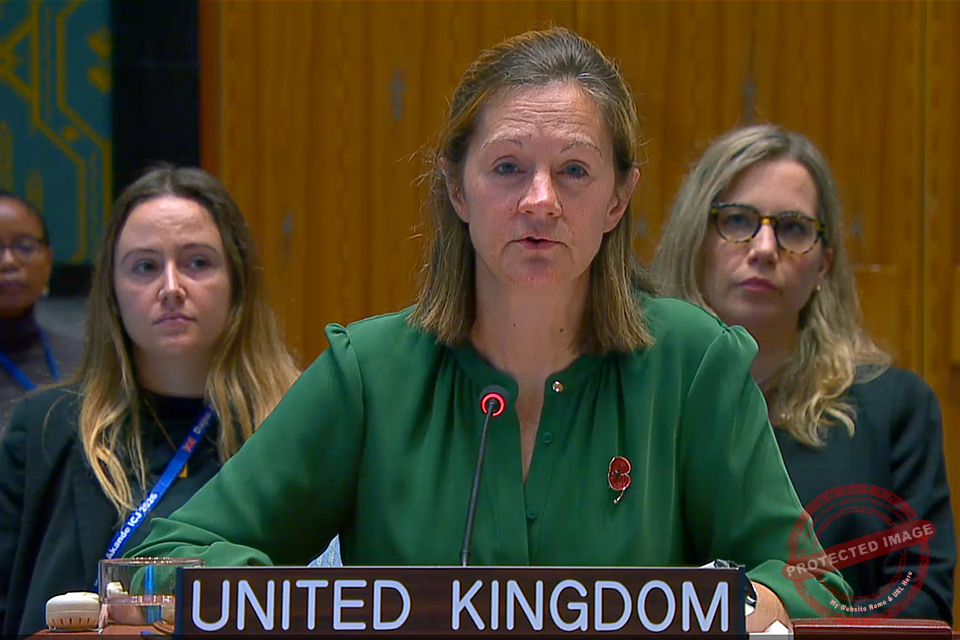
The United Kingdom says the establishment of new caretaker government arrangements in South Sudan has further weakened political consensus at a critical stage of the country’s transition, with key provisions of the 2018 Revitalized Peace Agreement still unfulfilled.
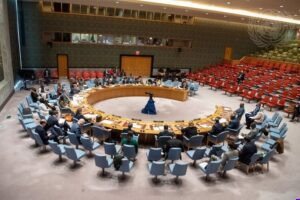
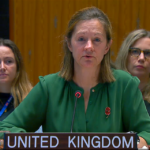
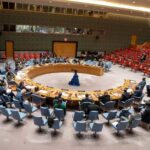
Speaking at a United Nations Security Council meeting on South Sudan in New York on Tuesday, November 10, UK Deputy Permanent Representative to the UN, Ambassador Kate Foster, said the country was approaching a critical point in its political transition.
“The establishment of new caretaker arrangements, while key provisions of the 2018 Peace Agreement remain unfulfilled, has further weakened political consensus at a critical moment,” Foster told the Security Council.
She said South Sudanese citizens had the right to choose their leaders and hold them accountable, but stressed that elections should contribute to peace and stability rather than deepen existing divisions.
“The South Sudanese people have the right to choose their leaders and hold them to account. But elections must seek to contribute to peace and stability, not deepen division or become a substitute for the political process,” she said.
Foster called on all parties to uphold the ceasefire, protect political and civic space, and engage in inclusive dialogue.
The British diplomat said political instability and violence were worsening conditions for vulnerable communities, particularly those displaced by renewed fighting.
“Renewed conflict is forcing families from their homes, it is deepening hunger and making it harder for humanitarian organisations to reach those most in need,” she said.
Foster explained that almost eight million people in South Sudan were facing acute food insecurity, calling on authorities to prioritise civilian protection and guarantee humanitarian access.
She urged the government to ensure that humanitarian organisations could operate safely and reach people in need without obstruction.
The UK representative also raised concerns over public resource management and limited government spending on essential services, saying only two per cent of the national budget was allocated to health and education.
“With just 2% of the national budget spent on health and education, the consequences are felt most acutely by the ordinary South Sudanese,” she told the Council.
Foster described the Mission the role of the United Nations Mission in South Sudan (UNMISS), as indispensable to civilian protection, commending its efforts to deter violence, protect communities and facilitate humanitarian access.
However, she said restrictions imposed by the caretaker government continued to obstruct the Mission’s operations.
“The authorities must honor the Status of Forces Agreement and allow UNMISS to operate without obstruction,” she said.
She further called for guarantees of freedom of movement for UN peacekeepers, saying their ability to operate across the country was particularly important at the current stage of the transition.
The UK diplomat also condemned attacks against UN peacekeepers, following the killing of three personnel during a mission in Jonglei State in August.
She expressed condolences to the families of those killed and wished injured personnel a swift recovery.
“The United Kingdom condemns attacks against UN peacekeepers, who work in extraordinarily difficult circumstances to protect civilians,” Foster said.
She added that attacks against peacekeepers could constitute war crimes.
Foster’s remarks come as South Sudan continues preparations for its planned December 22, 2026 elections amid unresolved political and security questions surrounding the implementation of the peace agreement.