





CES caretaker cabinet adopts 14-point policy direction ahead of general elections
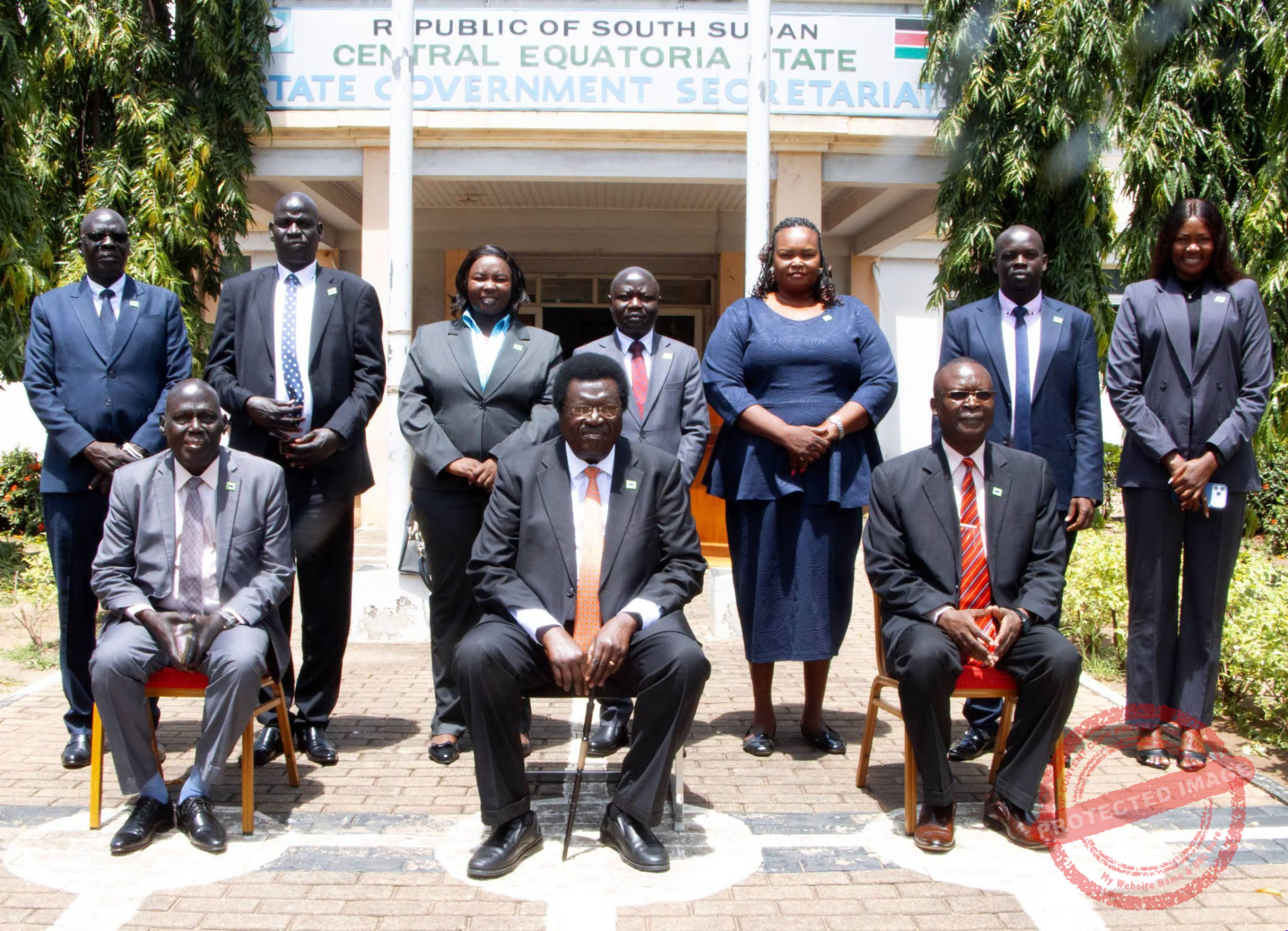
The Central Equatoria State Caretaker Council of Ministers has adopted a 14-point policy direction presented by Caretaker Governor Gen. Augustino Jadalla Kamilo Wani during its first caretaker cabinet meeting, outlining priorities for governance, security, public service delivery and preparations for the forthcoming general elections.
The policy direction, unanimously adopted during the Council’s ordinary sitting on Thursday, calls for institutional continuity, peaceful coexistence, responsible management of public resources and improved coordination among government institutions throughout the caretaker period.
Presenting the policy, Governor Jadalla said the caretaker government must maintain peace and security, ensure the continued delivery of essential services and support preparations for peaceful and credible elections.
He emphasized civic awareness, dialogue and political tolerance while warning against hate speech, intimidation and violence. He also directed ministers and their respective technical teams to serve all citizens without discrimination, stressing that peace, unity and reconciliation are collective responsibilities.
Revenue accountability and public service delivery
A key focus of the adopted policy is strengthening financial accountability and ensuring that public revenue is properly recorded and remitted through authorized systems.
Governor Jadalla directed all ministries to account for revenue collections, including Personal Income Tax (PIT), while tasking the Ministry of Finance to update government workforce records and safeguard pension entitlements.
The governor also ordered all ministries to compile verified inventories of government assets, including land, buildings and vehicles. Suspected irregular transactions are to be referred to the competent authorities.
The measures are intended to strengthen oversight of public resources and improve accountability within state institutions during the transition period.
County administration, broadcasting and infrastructure
Under the policy, the Ministry of Local Government is to assess county administrations and work to improve police presence in underserved areas.
The Ministry of Information was tasked with assessing the Equatoria Broadcasting Corporation (EBC) and developing a master plan for the renovation and operationalization of television broadcasting.
Meanwhile, the Ministry of Roads, Bridges and Infrastructure was directed to address land grabbing and irregular land demarcation, issues that require attention to ensure proper land administration.
Agriculture, education and health under review
The adopted policy also prioritizes agriculture and the delivery of essential social services.
The Ministry of Agriculture was directed to assess drought conditions, map grazing areas to help prevent farmer-herder conflicts, evaluate agricultural cooperatives and address environmental degradation.
In the education and health sectors, the relevant ministries are to audit schools, health facilities, drug supplies and training institutions.
These assessments are expected to provide the government with verified information on the condition of public institutions and the challenges affecting service delivery.
Ministers urged to implement collective decisions
Governor Jadalla called on caretaker ministers to personally supervise reports from their respective ministries and respect decisions made collectively by the Council of Ministers.
He acknowledged the limited time available to the caretaker government but said the transition period should be marked by peace, discipline, accountable leadership and service to the people of Central Equatoria State.
The adoption of the 14-point policy direction establishes the priorities outlined by the governor for the caretaker administration as it seeks to maintain government operations and support preparations for the forthcoming general elections.
The effectiveness of the policy will depend on how the respective ministries translate the directives into practical actions, with particular attention to public revenue accountability, security, institutional oversight and the continued provision of essential services.