

Government, African Parks emphasise wildlife’s economic potential beyond oil
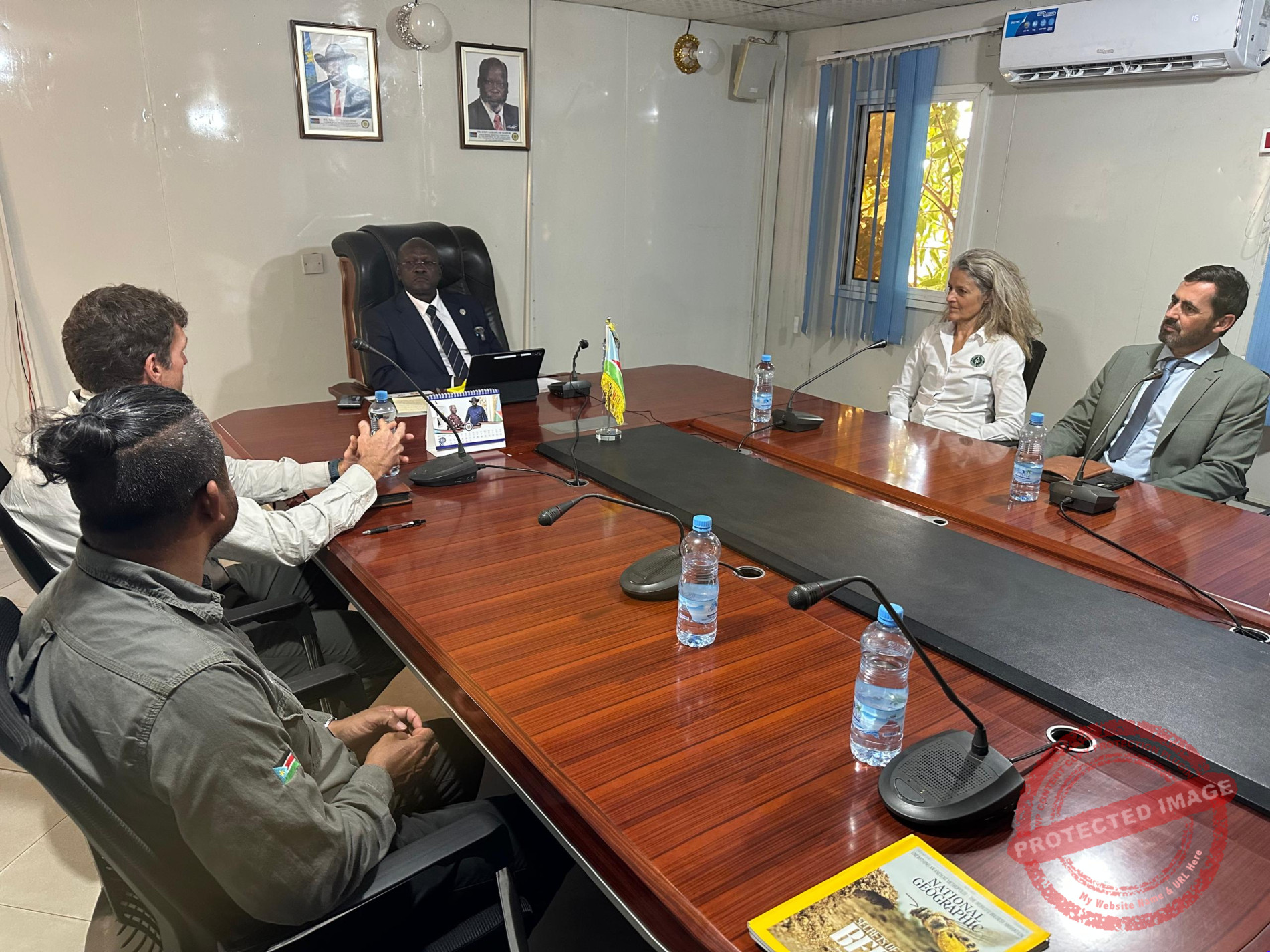
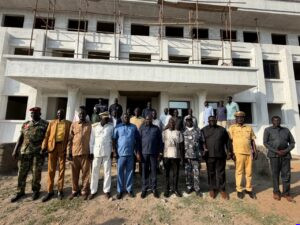
South Sudan’s government and the conservation organisation, African Parks have stressed the economic potential of wildlife as a sustainable resource beyond oil, as Pierre-Armand Roulet takes over as the organisation’s new Regional Operations Manager for the country.
Roulet’s appointment comes amid ongoing efforts to strengthen the protection of Boma and Badingilo National Parks and explore the contribution of wildlife conservation to tourism, employment, investment and long-term economic development.
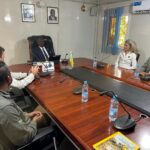
Speaking during a meeting with the African Parks delegation in Juba, Wildlife Conservation and Tourism Minister Denay Jock Chagor said South Sudan’s wildlife migration, involving millions of animals across its protected areas, represents an important national asset that could benefit future generations if properly protected.
“Wildlife is not simply a natural resource; it is part of our national heritage and future prosperity,” Chagor said.
He said effective conservation could create opportunities in tourism, employment and investment.
“If we continue to protect these resources, they can generate sustainable benefits for future generations through tourism, employment, investment, and economic growth,” he said.
African Parks Chief Operations Officer Charles Wells said wildlife and protected landscapes could provide sustainable economic benefits for generations, unlike non-renewable resources such as oil.
“While natural resources such as oil may eventually be depleted, wildlife and protected landscapes can continue to provide sustainable benefits for generations,” Wells said.
He described conservation as both an environmental priority and a long-term economic opportunity, reaffirming African Parks’ commitment to supporting the government in protecting the country’s natural resources.
The organisation has been working with the Ministry of Wildlife Conservation and Tourism to strengthen the protection and management of Boma and Badingilo National Parks under a partnership agreement signed in August 2022.
Roulet said he was honoured to assume the new responsibility and looked forward to building on the organisation’s existing work.
“I look forward to building on the achievements already made by our team and working closely with the Government of South Sudan, local communities, and conservation partners to advance our shared objectives,” he said.
Presidential Advisor on Governance Joseph Ngere said protecting wildlife and natural resources was an investment in the country’s future.
“These resources hold significant potential to contribute to economic development, tourism, environmental sustainability, and national pride,” Ngere said.
He added that the government remained supportive of conservation initiatives aimed at preserving the country’s natural heritage while creating opportunities for future generations.
South Sudan’s economic dependence on oil makes the development of alternative sources of revenue an important national consideration. However, turning wildlife into a sustainable economic resource will require investment in tourism infrastructure, accommodation, roads, security and services capable of attracting visitors.
The participation of communities living around protected areas will also be essential in ensuring that conservation translates into employment, livelihoods and tangible economic benefits.
Although government officials and African Parks have highlighted the long-term economic value of wildlife, the meetings did not provide specific figures on projected tourism revenues, investment commitments or employment targets.