Ministry of Gender, stakeholders review draft guidelines for safe houses for GBV survivors
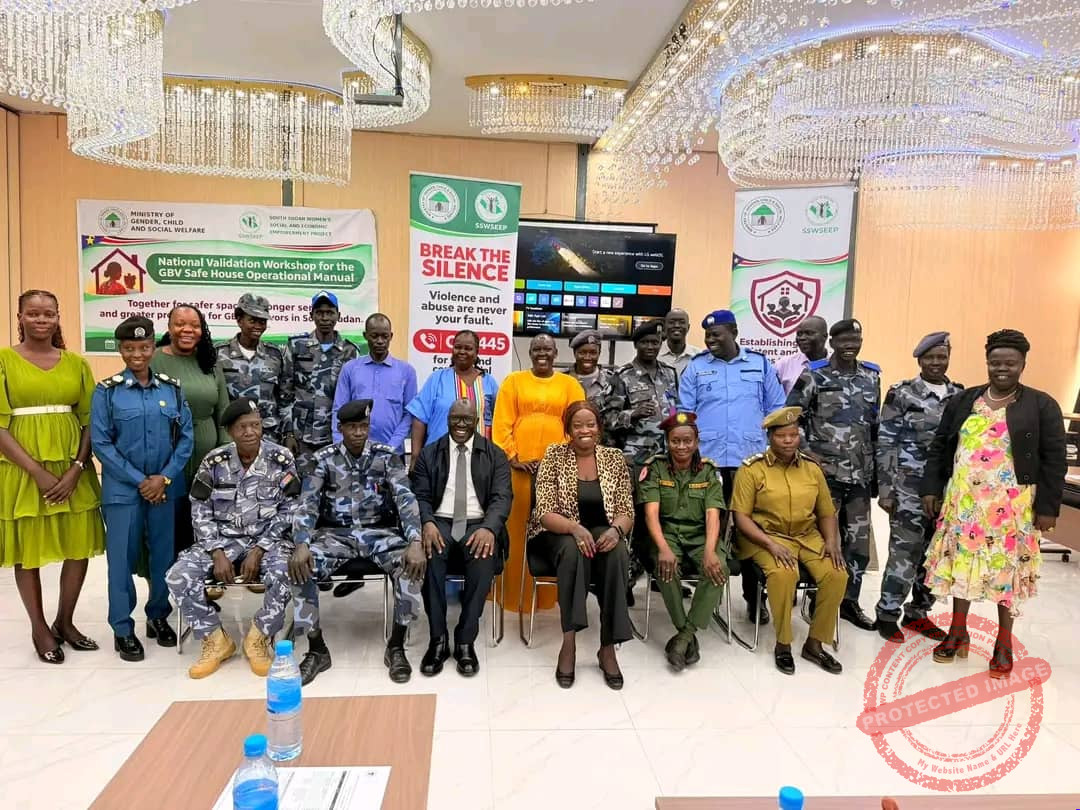
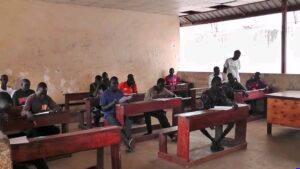
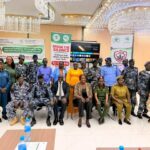
The Ministry of Gender, Child and Social Welfare has brought together representatives from states and administrative areas, including law enforcement agencies, to review and validate a draft operational manual for safe houses for survivors of gender-based violence (GBV).
The two-day workshop, held in Juba with support from the World Bank Group, aims to establish national guidelines for the management and delivery of safe house services across South Sudan.
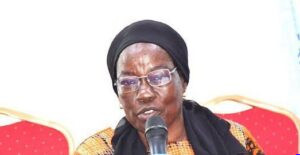
Opening the workshop on Thgursday, November 19, the Ministry’s Undersecretary, Adeng Malual Leek, emphasised the importance of strengthening national systems to ensure survivors have access to safe, accessible and coordinated protection services.
Participants are expected to share experiences, identify operational challenges and strengthen referral pathways and institutional responsibilities.
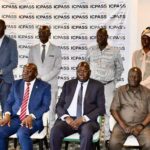
On the sidelines of the workshop, Leek also met with the Ministry’s technical team, representatives of the Office of the Public Prosecutor and delegations from Jonglei and Northern Bahr el Ghazal states to discuss emerging gender-based violence concerns.
During the meeting, officials from Jonglei State confirmed that suspects arrested over the alleged killing of a woman by her siblings remain in custody as investigations continue.
Leek stressed the need for the case to proceed through established legal and judicial processes in accordance with the law.
Meanwhile, the delegation from Northern Bahr el Ghazal raised concerns about the protection needs of refugees and returnees, reported cases of gender-based violence and challenges in extending essential services to counties and payams.
The discussions highlighted the need for stronger institutional coordination and the decentralisation of GBV prevention and response services, particularly in hard-to-reach communities.
The Ministry reaffirmed its commitment to working with state governments, law enforcement agencies, the justice and health sectors, and development partners to improve protection, accountability and support for survivors across South Sudan.