
Uganda landslide survivors take government to UN over relocation and compensation
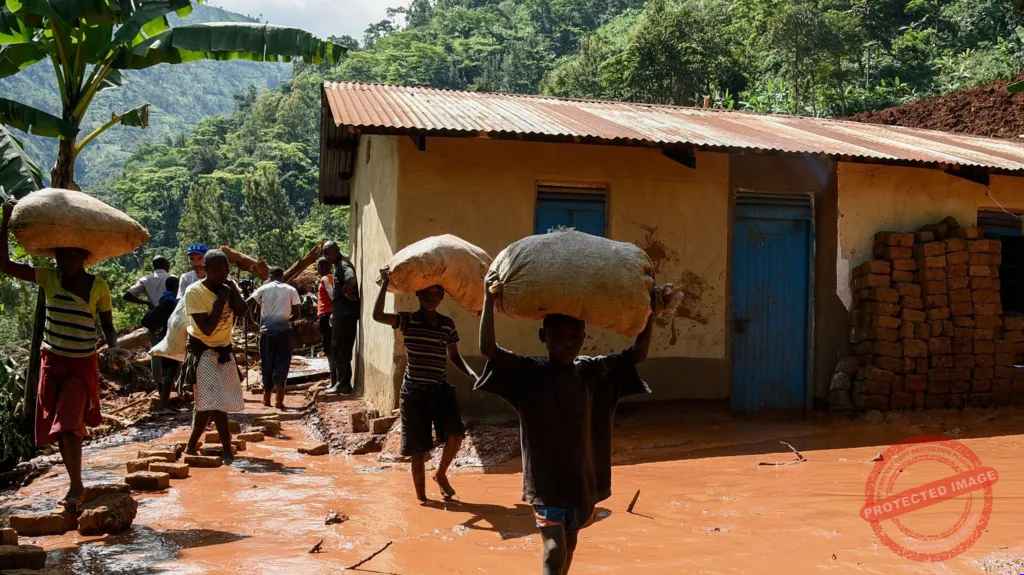
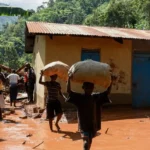
Survivors of a deadly 2019 landslide in eastern Uganda have taken their case to the United Nations, accusing the government of failing to protect communities living in landslide-prone areas.
The 48 complainants are seeking compensation, safer relocation and improved disaster preparedness following the disaster in Bududa District, which killed 53 people, including at least 33 children.
The survivors say the government’s relocation programme does not adequately address their safety, land rights and livelihoods.
Uganda recently introduced a new resettlement programme offering affected households 18 million Ugandan shillings, equivalent to about 4,300 US dollars, to support relocation to safer areas.
However, some survivors question whether the amount is sufficient to cover relocation and rebuilding costs.
The government has given residents in designated high-risk areas two months, from November to December, to relocate or face forced eviction.
One of the complainants, William Tsama, who lost four family members in the 2019 disaster, says he is pursuing the case to secure a safer future for his children.
The survivors are also demanding compensation for lost family members and livelihoods, as well as accessible early-warning systems in high-risk communities.
The case is now before the United Nations Human Rights Committee, which is expected to give the Ugandan government six months to respond.
The complaint is considered a potential landmark case seeking climate adaptation measures and could have wider implications for how governments protect communities from climate-related disasters.