




Nearly 50 rangers graduate to strengthen protection of Lantoto National Park
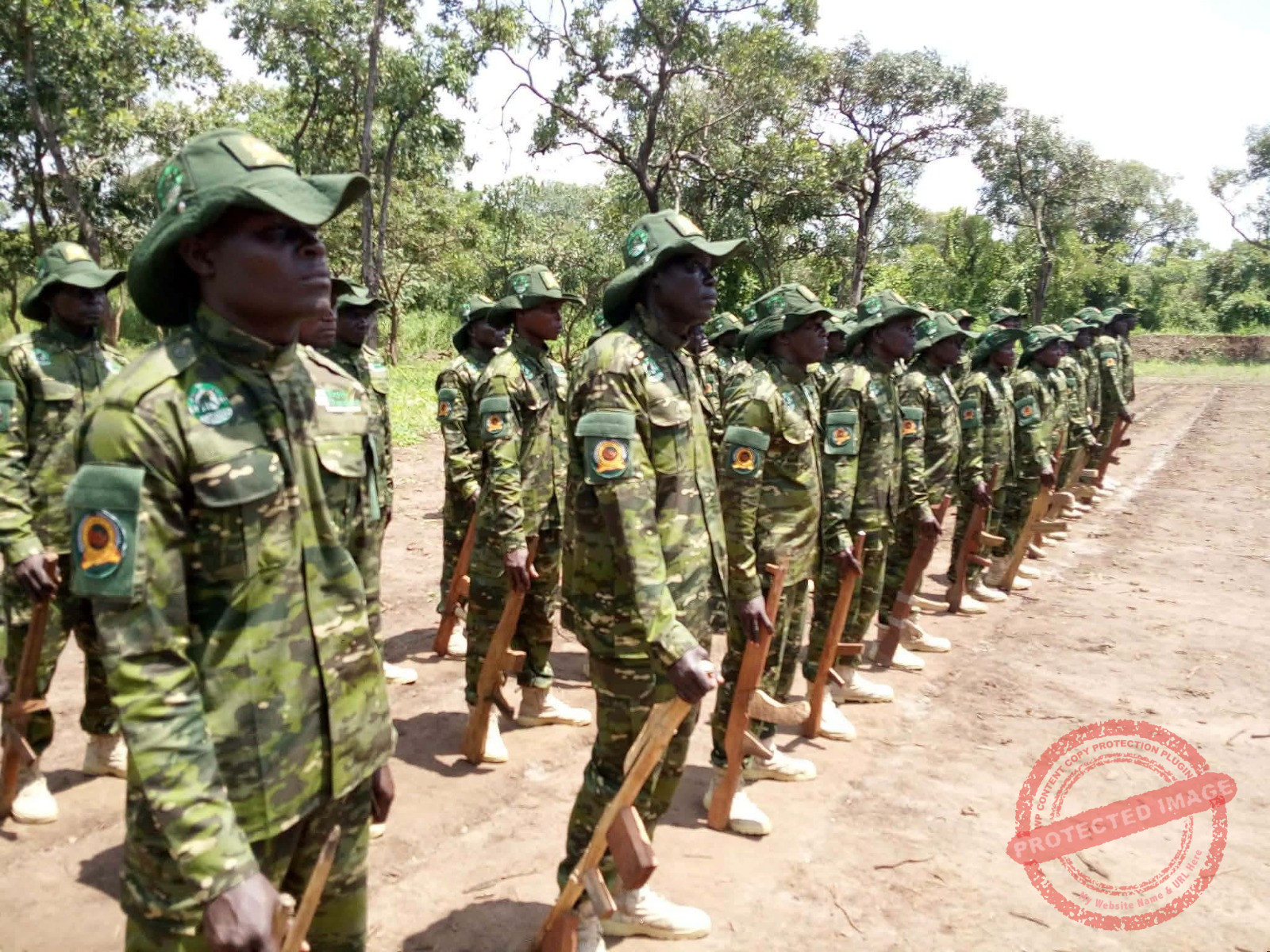
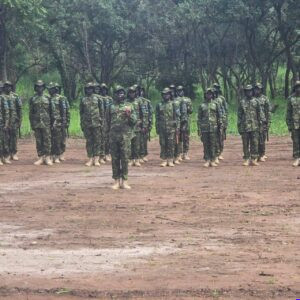
The Ministry of Wildlife Conservation and Tourism has graduated 46 newly trained wildlife rangers in Lantoto National Park to strengthen wildlife protection.
The graduation ceremony was held on Friday after the rangers completed a law enforcement training programme covering the appropriate use of force and anti-poaching skills.
Speaking at the ceremony, the Undersecretary in the Ministry of Wildlife Conservation and Tourism, Major General Peter Loro Albert, urged the new rangers to protect wildlife while maintaining good relations with communities living around the park.
“A message to the newly graduated 46 wildlife rangers We are not graduating you to harm citizens, but rather training and graduating you to protect these animals,” he said.
He said the rangers have a duty to protect wildlife and work closely with local communities.
Wildlife officials said the graduates are the first group of rangers to complete training in Lantoto National Park.
“You are the first group of rangers we have graduated in the park today. You witnessed a great deal of development in the infrastructure that didn’t exist before. Although I’ve mentioned it, it’s a commendable achievement,” he said.
The ministry said the training is part of efforts to strengthen wildlife protection, fight poaching, and improve law enforcement in South Sudan’s protected areas.
Established in 1992, Lantoto National Park covers about 760 square kilometres and is made up of woodland, forest, and open glades.
The park is one of South Sudan’s important conservation areas. It is home to forest elephants, bongo antelopes, forest buffaloes, giant forest hogs, and several species of forest-dwelling primates.
South Sudan is home to some of Africa’s largest wildlife populations despite years of conflict and limited conservation resources.
The recently inscribed Boma–Badingilo Migratory Landscape, South Sudan’s first UNESCO World Heritage Site, is among the country’s most important conservation areas.
The landscape covers about 12 million hectares across Boma and Badingilo National Parks and supports the Great Nile Migration, the world’s largest land mammal migration, involving about six million antelopes.