
Public calls for improved essential services amidst rising water prices
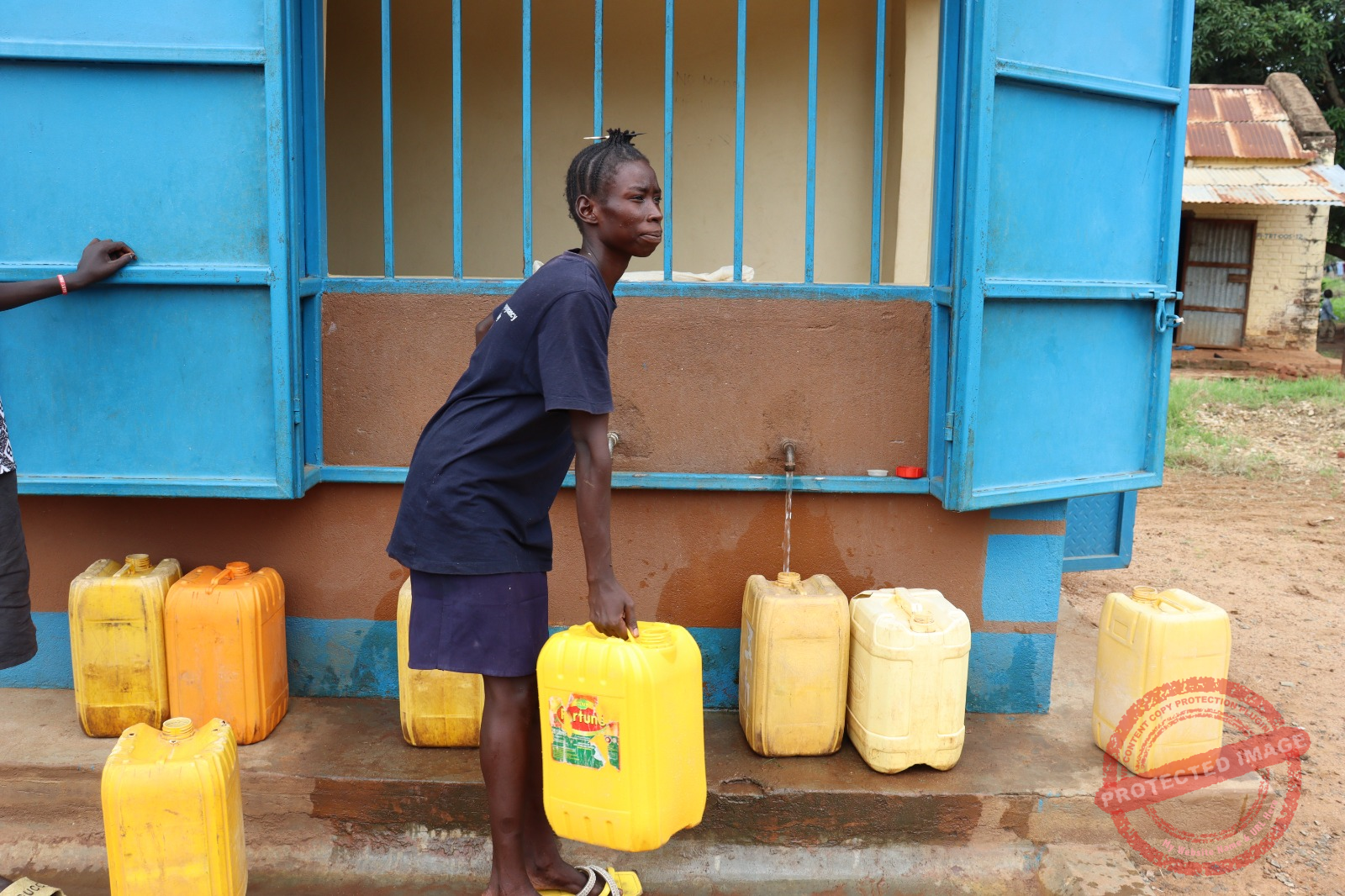
Members of the South Sudanese public are increasingly urging the government to address critical service gaps, particularly in the provision of clean drinking water.
Their appeals come in response to recent warnings from Central Equatoria Governor Augustino Jadalla Wani, who cautioned against further increases in water prices in Juba.
Speaking to Eye Radio, citizens expressed their frustration with what they perceive as inadequate service delivery.
They argue that these issues were among the driving forces behind South Sudan’s fight for independence.
Deng Diing, a resident of Wau town, emphasized the need for the government to prioritize its citizens in policy-making.
“People are asking, where is South Sudan now? We demand that the government reform its policies to truly serve the people,” Diing said. “After 21 years of struggle, there seems to be no effective cabinet or council of ministers addressing the real needs of the people.”
Bol Deng, a resident of Custom Market in Juba echoed similar sentiments, questioning the rationale behind South Sudan’s secession from Sudan.
“We fought for independence, but now it seems our current officials are replicating the same failures of the Sudanese government,” Deng remarked. “Our separation was supposed to lead to better services like water, roads, and electricity, yet these remain lacking.”
Suleiman, a resident of Hai Tarawa in Juba criticized the government’s failure to provide clean water since independence.
“It’s unreasonable that since 2005, we still lack a reliable water supply in the national capital. We are in the 21st century, yet we still rely on water tankers,” Suleiman said.
Alison, a resident of Hai Malakia in Juba, reflected on the past availability of running water in the city and questioned why such services are now absent.
“We used to have running water in Juba before 2005. The government needs to address this issue urgently,” Alison noted. “Let the state government focus on water provision while the national government tackles policy matters.”
Juba, despite being located near the Nile River, lacks a piped water distribution system, forcing residents to depend on water tankers.
The high cost of water and the lack of a reliable distribution network have led to widespread dissatisfaction among city residents, who are calling for significant improvements in water infrastructure.