



Security fears, movement restrictions threaten political participation ahead of South Sudan elections
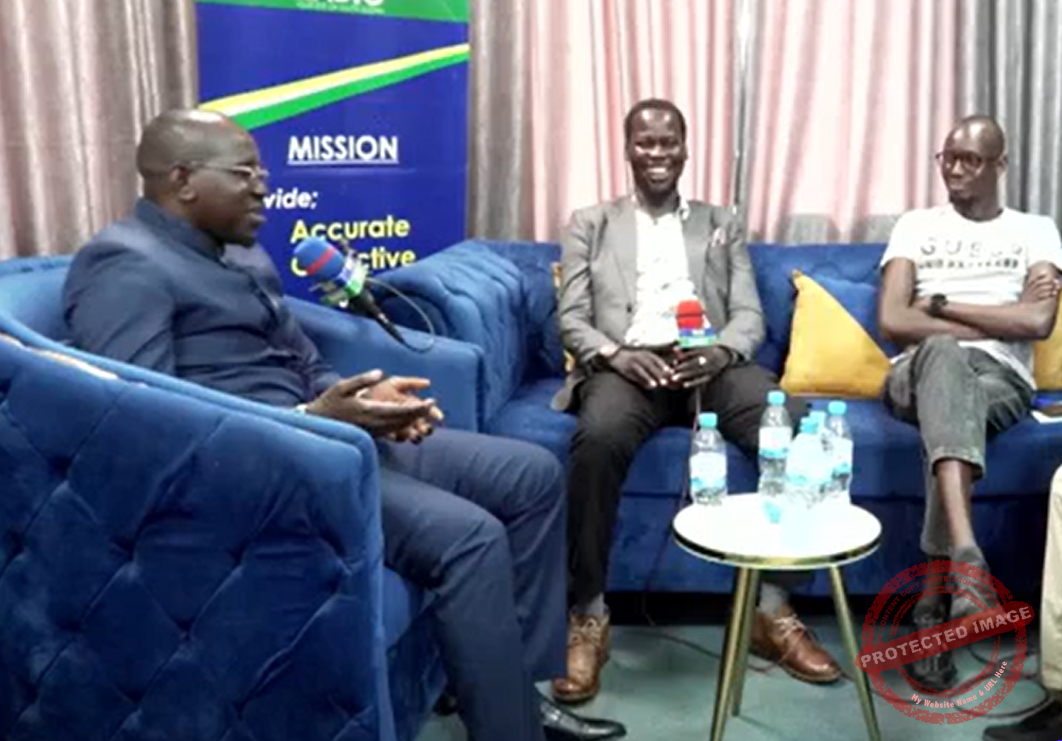
Security concerns and restrictions on political movement are limiting political parties’ ability to prepare for South Sudan’s planned December 22, 2026 elections, with an opposition leader saying some parties have identified candidates but are reluctant to announce them because of fears over their safety.
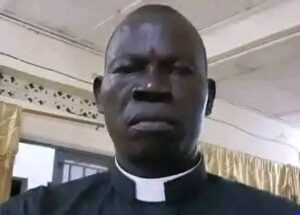
Paulino Lokudu, leader of the United South Sudan Party (SSUP), says the absence of clear security arrangements for candidates is discouraging political parties from publicly declaring their nominees ahead of the polls.
Speaking on Eye Radio’s Around South Sudan podcast, Lokudu said political parties had candidates ready for different positions but were concerned about exposing them to potential security threats.
He said announcing a candidate, particularly for the presidency, should come with adequate protection for the individual and their supporters.
“Now, the parties have candidates, but some parties cannot announce their candidates, because, for example, you announce you are the presidential candidate of your party. This person automatically needs security,” Lokudu said.
He questioned how candidates could safely move around the country and engage voters without appropriate protection, adding that political parties did not have military wings to provide security for their nominees.
Lokudu said the issue of candidate protection needed to be addressed as part of the wider arrangements for conducting elections.
He also raised concerns about restrictions requiring political leaders to seek approval before travelling outside Juba, saying the measures were preventing parties from reaching their supporters in the constituencies.
“I cannot move because I may need approval. Every time I want to go, I must get approval,” he said.
Lokudu argued that political leaders should be allowed to travel freely to organise their parties, meet supporters and introduce candidates ahead of the elections.
Rights activist raises concerns over civic and political space
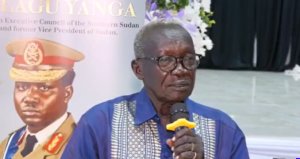
Human rights activist Ador Akoy said restrictions on political movement were also affecting citizens’ constitutional rights and their ability to participate meaningfully in the electoral process.
Akoy, introduced on the programme as a representative of the South Sudan Human Rights Defenders Network, said freedom of movement was essential for political candidates to reach voters and present their programmes.
“First of all, restriction of movement is a violation of constitutional right. Because ideally the constitution gives everybody the right to freely move,” Akoy said.
He argued that electoral institutions should work with security agencies to ensure candidates are protected while allowing political activities to take place without unnecessary interference.
Akoy said citizens also risked being denied the opportunity to make informed choices if candidates were unable to campaign and explain their policies.
He questioned how voters could decide whom to elect when they had limited opportunities to hear from competing political parties.
He called on the caretaker government to reconsider the restrictions and create an environment that allows political parties to engage communities across the country.
Akoy also expressed concern over the lack of comprehensive voter and civic education, saying citizens needed sufficient information about the electoral process and the candidates seeking public office.
RJMEC representative cites security challenges
Patrick Godi, a youth representative at the Reconstituted Joint Monitoring and Evaluation Commission (RJMEC), said the security situation and incomplete implementation of transitional security arrangements remained significant concerns ahead of the elections.
Godi said the 2018 Revitalised Agreement envisaged the unification of forces from the different parties into a national army capable of providing security across the country.
However, he said the security situation had become fragmented, with continuing armed confrontations and violations of the permanent ceasefire.
“But I think at this point, it will not be correct to say that, in fact, what has happened is you have a fractured security context now,” Godi said.
He added that the RJMEC had reported serious violations of the permanent ceasefire and a collapse of the transitional security arrangements.
Godi said these developments were raising reservations among citizens about the conditions under which elections would be conducted.
He also questioned whether the remaining time was sufficient to complete important electoral activities, including voter registration and candidate nominations.
According to Godi, the electoral process should be measured against minimum requirements for free and fair elections, including security, legal compliance and public confidence in the results.
He cautioned that citizens’ willingness to participate in elections should not be interpreted as acceptance of a process that lacks the necessary safeguards.
Calls for equal political participation
Lokudu also called on the National Elections Commission to strengthen communication with registered political parties, saying the Commission should regularly brief stakeholders on preparations and outstanding issues.
He said political parties needed to be treated as key stakeholders in the electoral process and given opportunities to raise concerns directly with the Commission.
The SSUP leader further called on government-owned media organisations to provide equal access and coverage to all political parties.
“Political parties are supposed to have equal chances, and the media freedom has to be there,” Lokudu said.
He maintained that citizens should have the freedom to choose their leaders through a peaceful electoral process.
The three guests’ concerns come as South Sudan prepares for its scheduled December 22, 2026 elections, with questions remaining over security, political participation, electoral preparations and the implementation of provisions of the peace agreement.
Lokudu emphasised candidate protection and freedom of movement, Akoy highlighted constitutional rights and civic space, while Godi pointed to the wider security and transitional arrangements.