


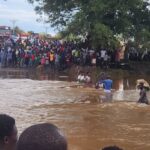


South Sudan secures $50 Million for flood resilience project
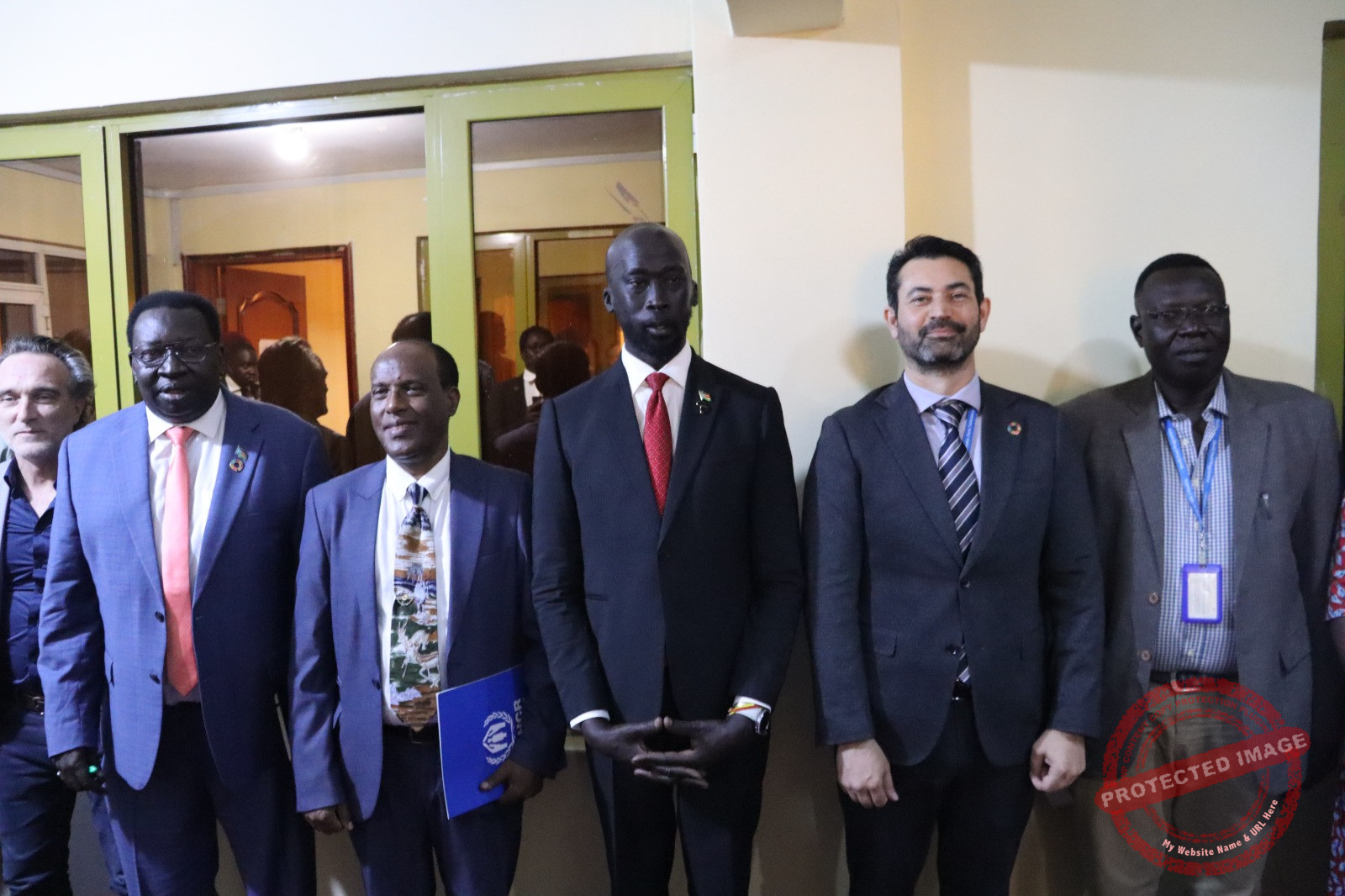
South Sudan has secured $50 million from the Green Climate Fund (GCF) to support a new climate adaptation project in the country’s flood-prone regions, the Ministry of Environment and Forestry announced on Wednesday.
The funding package also includes an additional $2.5 million in co-financing from the Government of Japan. The project, titled “Enhancing Climate Resilience in Flood-prone Areas in Northeastern South Sudan,” will be implemented by the World Food Programme (WFP), UNHCR, and the Ministry of Environment, with activities set to begin in early 2026.
“This is a major milestone for South Sudan,” said Minister Mabior Garang.
“The government of South Sudan, through the Ministry of Environment and Forestry, as the national designated authority to the Green Climate Fund, is proud to announce the approval of a new climate adaptation investment worth $50 million from the Green Climate Fund, complemented by $2.5 million U.S. dollars co-financing from the Government of Japan. The project will be jointly implemented by WFP, UNHCR, and the Ministry, with implementation expected to commence in early 2026.”
The initiative targets vulnerable communities in Northern Bahr el Ghazal and Warrap states, focusing on improved water management, sustainable agriculture, and stronger disaster-risk systems. It also prioritizes support for displaced people and host communities affected by flooding.
Minister Garang said the approval is the result of nearly a decade of collaboration between South Sudan and the Green Climate Fund since the country joined the Paris Agreement.
“South Sudan has gradually increased its access to global climate financing, starting with a $300,000 readiness grant in 2018,” he explained.
He added that the visit of GCF Executive Director Mafalda Duarte to Juba in March 2025 played a key role in paving the way for the new project.
According to the minister, the investment will support climate-smart infrastructure, improved water and land management, and diversified livelihoods in the affected states, helping communities better respond to climate shocks and build long-term resilience.