
“This gov’t will never tolerate corruption”: fourteen years on, Kiir’s 2012 promise revisited
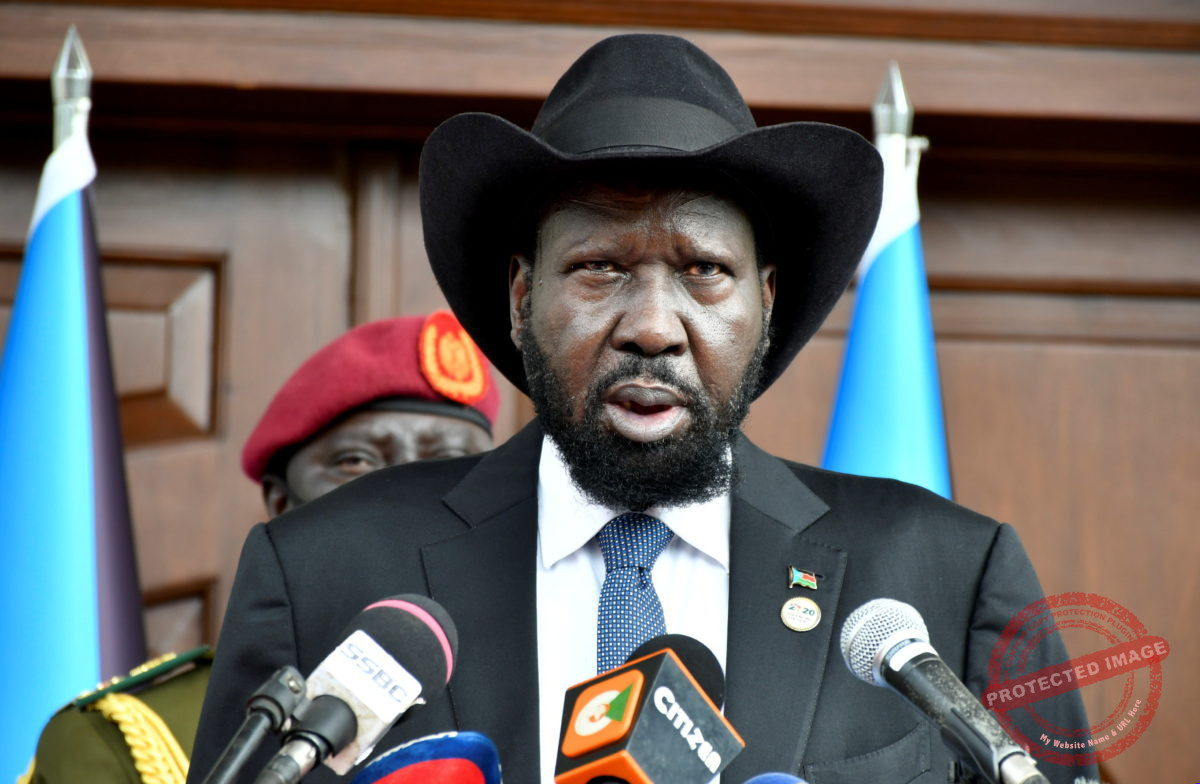
On 9 July 2012, just one year after South Sudan gained independence, President Salva Kiir made a pledge that resonated with millions of citizens and the country’s international partners.
“I want to assure the citizens and our international partners that this government will never tolerate corruption.” He went further, promising to pursue the fight against corruption through constitutional means, in partnership with the National Legislative Assembly, civil society and the people of South Sudan.
Fourteen years later, as South Sudan prepares to mark 15 years of independence on 9 July 2026, the question is no longer about the promise. It is about the outcome.
Has corruption been defeated? Or did the President’s pledge remain at the Dr. John Garang Mausoleum where it was made?
The answer lies in the country’s public institutions, its financial management and the daily experiences of ordinary South Sudanese.
Over the years, South Sudan has consistently ranked among the countries perceived to have the highest levels of public sector corruption in global governance and corruption indices.
Allegations of embezzlement, misuse of public funds, opaque procurement processes and weak financial oversight have repeatedly dominated public discourse. At the same time, millions of citizens continue to endure delayed salaries, poor public services, deteriorating infrastructure and economic hardship.
Perhaps the clearest symbol of the country’s struggle against corruption is the very institution mandated to fight it.
The South Sudan Anti-Corruption Commission has, for years, operated with severe financial constraints. It has repeatedly complained of inadequate funding, limited operational capacity and the absence of a permanent headquarters, conditions that have significantly undermined its ability to investigate allegations, recover stolen assets and carry out its constitutional mandate effectively.
An anti-corruption institution without adequate resources, operational independence and institutional support cannot be expected to wage an effective fight against corruption.
The challenge extends beyond one institution. Anti-corruption efforts require functioning oversight bodies, an independent judiciary, timely audits, transparent public procurement, enforcement of asset declaration laws and the political will to hold public officials accountable regardless of their rank.
Successive government officials have continued to reaffirm their commitment to fighting corruption, while development partners and civil society organisations have consistently called for stronger accountability and greater transparency in the management of public resources. Yet, the gap between official commitments and tangible outcomes remains a source of public concern.
As South Sudan celebrates its 15th Independence Anniversary, citizens have every reason to reflect not only on the achievements of nationhood but also on the promises that remain unfulfilled.
President Kiir’s words from 2012 still carry weight:
“This government will never tolerate corruption.”
Fifteen years after independence, South Sudan’s greatest challenge may not be the absence of promises, but the translation of those promises into lasting institutions, credible accountability and measurable action.
For many South Sudanese, the fight against corruption remains unfinished. The question now is whether the next chapter of the country’s history will finally match the aspirations proclaimed in its earliest days of independence.