




UNDP, Judiciary launch mobile court for GBV, juvenile cases at Juba Central Prison
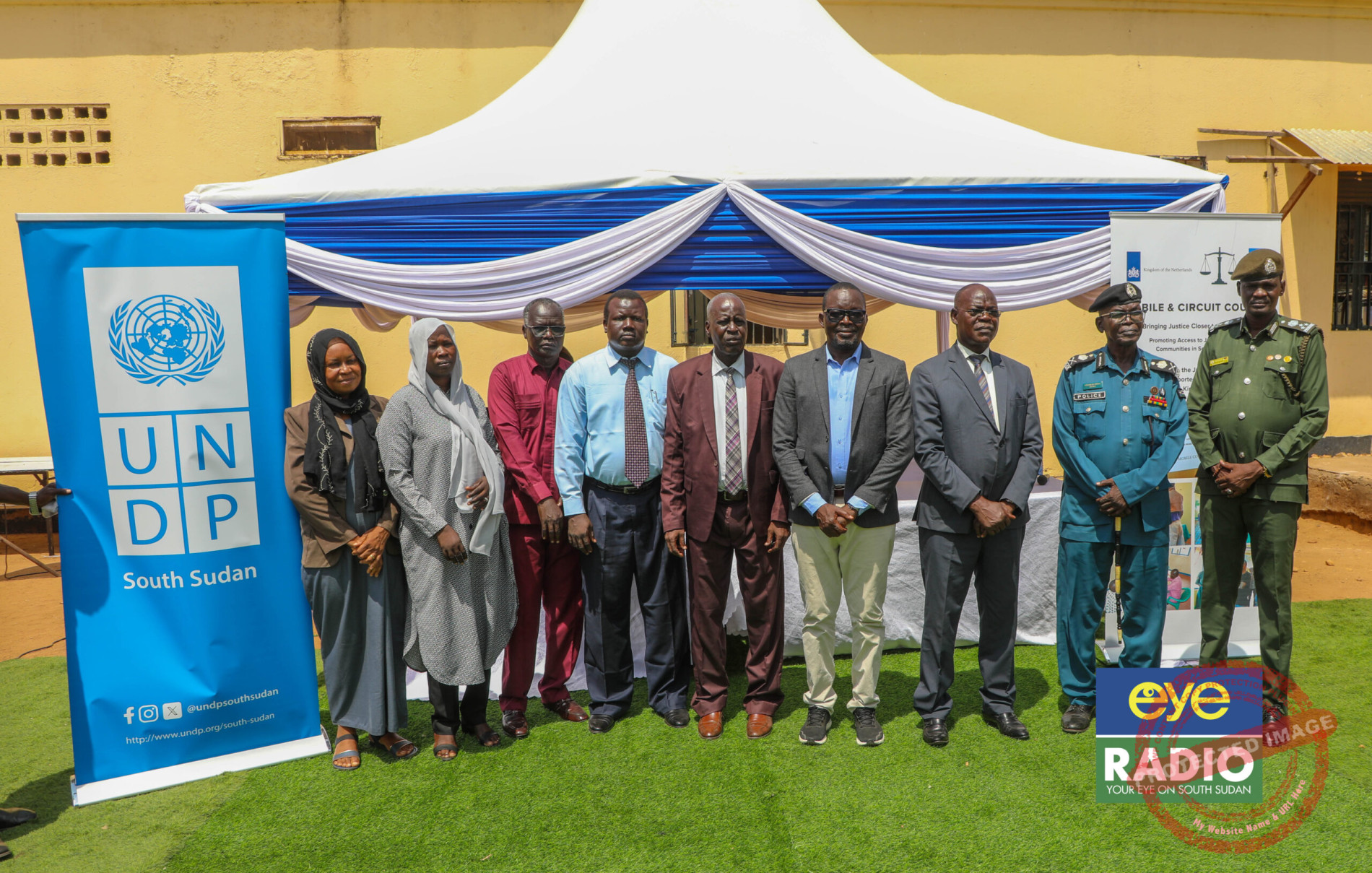
The United Nations Development Programme (UNDP), in partnership with the Judiciary of South Sudan, has launched a Gender-Based Violence (GBV) and Juvenile Mobile Court at Juba Central Prison in an effort to improve access to justice for vulnerable groups and reduce the backlog of pending cases.
The mobile court, which officially begins operations on June 11, will run for 30 days until July 22, 2026. The initiative is supported by multiple development partners through the Funding Window 2024 resources.
According to UNDP, the court is intended to bring judicial services closer to communities, particularly women, girls and children, while ensuring timely and survivor-centered justice for victims of gender-based violence and juveniles in conflict with the law.
The mobile court will prioritize GBV-related cases, focusing on the protection of survivors and the preservation of their dignity. It will also handle juvenile cases to ensure children in conflict with the law receive fair and timely hearings.
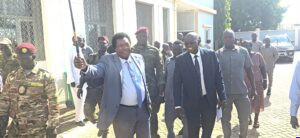
The launch ceremony at Juba National Prison on Wednesday brought together representatives from the Judiciary, the Ministry of Justice and Constitutional Affairs, UNDP leadership, development partners, civil society organizations, women-led groups and the media.
Speaking during the event, UNDP Representative Andrew Shuruma said the initiative reflects years of collaboration between UNDP and the Judiciary of South Sudan to expand access to justice across the country.
“I would like to express UNDP’s profound gratitude for the valuable support that we receive from our partners in funding this programme, particularly the Government of the Netherlands,” Shuruma said.
He also praised the Judiciary for its commitment to ensuring justice reaches underserved communities.
“Over the years, our collaboration on the mobile courts has enabled justice services to reach communities deep in the country with limited access to formal justice mechanisms. We have made significant efforts over the last 10 years to engage remote villages through the mobile court system, and that is a recognition of the leadership of the Judiciary of South Sudan and the partners involved in this major exercise.”
Shuruma further acknowledged the support of the South Sudan Bar Association, noting that strengthening legal representation remains critical to improving access to justice.
“The success of interventions such as the mobile court depends on the collective effort of all justice sector institutions working together,” he added.
Describing the launch as an important milestone, he said the initiative demonstrates a shared commitment to making justice accessible, timely and responsive, particularly for women, children and other vulnerable groups who often face barriers in accessing legal services.
UNDP says access to justice remains a major challenge in South Sudan, especially for survivors of gender-based violence and children in conflict with the law. The agency believes the mobile court will help reduce case backlogs, strengthen coordination among justice institutions and ensure the safe and confidential handling of sensitive cases.
Also speaking at the event, the President of the Greater Equatoria Court of Appeal, Justice Malou Yel, expressed appreciation to UNDP and development partners for their continued support to South Sudan’s justice sector.
He said the launch of the second GBV and Juvenile Mobile Court at Juba Central Prison would not only improve access to justice but also help address overcrowding in detention facilities.
“This mobile court is the second mobile court in Juba Central Prison. The judges assigned to this initiative are qualified and experienced judges who have been handling remand cases in Juba Central Prison since the establishment of the permanent mobile court in 2013,” Justice Malou said.
“They are doing their best to minimize overcrowding in Juba Central Prison.”
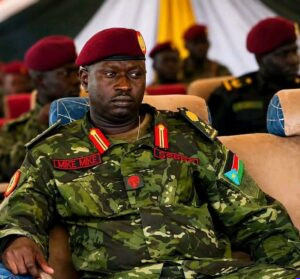
The Acting Director of Juba Central Prison, Brigadier General Amet Amet, welcomed the initiative and said it would accelerate the hearing of pending cases while creating a safer environment for survivors and children seeking justice.
“It is my utmost honor and privilege to express our gratitude for this remarkable initiative that will champion speedy trials and hopefully address the backlog of GBV and juvenile cases,” he said.
“As the National Prison Service of South Sudan, we stand firm in thanking the Judiciary of South Sudan together with our main partner, UNDP, for establishing a mobile court that facilitates access to justice in the shortest possible time.”
He added that the initiative would allow victims of gender-based violence and juveniles to access justice in a safe and comfortable environment.
“It is believed that this initiative will restore hope to victims of GBV while also contributing to the reduction of overcrowding in this facility,” Brig. Gen. Amet said.
Meanwhile, the Director of Training and Scientific Research at the Judiciary of South Sudan, Justice William Kaya Pacifico, said the Judiciary is already planning a broader mobile court program that will address the cases of all accused persons awaiting trial in prisons.
“Today, we are focusing on backlog cases involving juveniles and GBV. But shortly, together with our partners, we will embark on a bigger mobile court that will cover all accused persons awaiting trial in Juba National Prison and elsewhere,” Justice Kaya said.
He noted that prison congestion remains a major concern for the Judiciary.
“Juba Central Prison and all other congested prisons have been in our minds and in our hearts. This is the second pilot mobile court project in Juba National Prison within a short period, which is an indication of how concerned the Judiciary is about the situation in this prison.”
Addressing inmates whose cases are still pending, Justice Kaya offered reassurance that efforts are underway to ensure they are heard.
“To the accused persons awaiting trial, please be patient. You are neither forgotten nor neglected. Your cases will soon be determined,” he said.
The mobile court initiative forms part of UNDP’s broader support for strengthening the rule of law, advancing peacebuilding efforts and promoting the protection of human rights in South Sudan.